
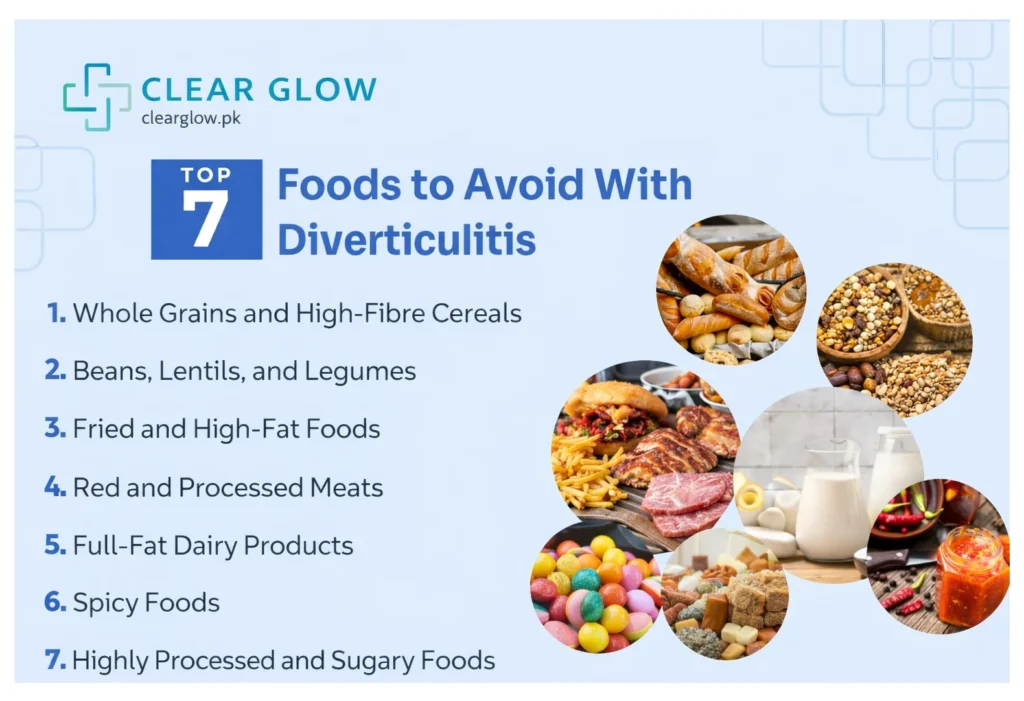
Diverticulitis occurs when small pouches in the bowel wall become inflamed or infected. Symptoms often include lower abdominal pain, bloating, fever, and bowel habit changes. NHS patient leaflets and UK hospital diet guides consistently recommend short-term dietary modification during flare-ups to reduce bowel stress and support healing.
If you are searching for the 7 foods to avoid with diverticulitis NHS guidance highlights, the focus is on temporarily lowering fibre, fat, and digestive irritation during active symptoms, then gradually returning to a balanced high-fibre diet after recovery.
Why NHS Guidance Recommends Diet Changes During a Flare-Up
When diverticulitis is active, the colon lining is inflamed and sensitive. Foods that increase stool bulk, fermentation, or fat load can intensify discomfort. That is why NHS-aligned guidance commonly suggests a low-fibre, low-residue eating pattern for a short period.
This approach is temporary. Once symptoms settle, fibre is slowly reintroduced because long-term fibre intake supports bowel health and may reduce recurrence risk.
The 7 Foods to Avoid With Diverticulitis During Active Symptoms
1) Whole Grains and High-Fibre Cereals
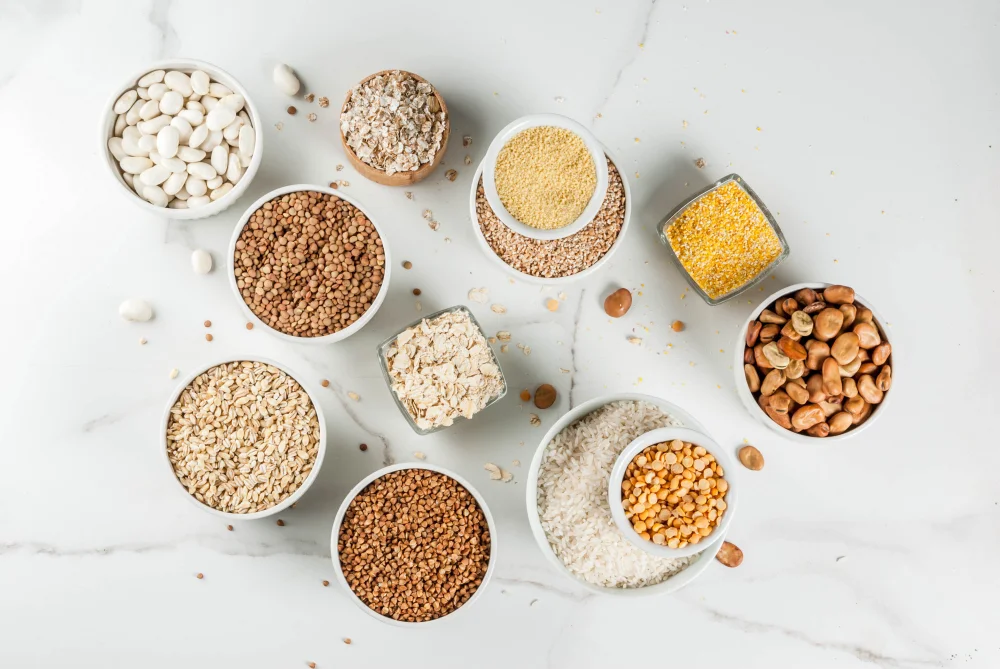
Whole grains are normally protective for digestive health, but during a flare-up, they can be too abrasive. Wholemeal bread, brown rice, bran cereals, rye products, and wholewheat pasta increase stool bulk and bowel movement activity. During inflammation, refined grain options such as white bread and white rice are typically better tolerated.
2) Beans, Lentils, and Legumes
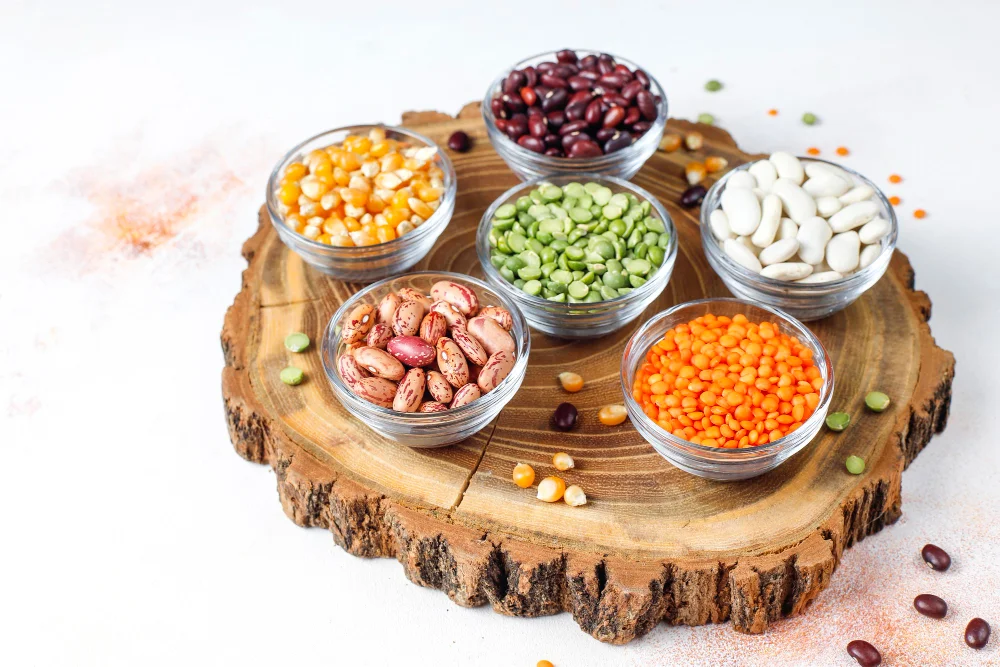
Legumes are fibre-dense and highly fermentable. During diverticulitis symptoms, they frequently increase gas and bloating, which can worsen pain and pressure. For this reason, UK diet sheets often advise pausing beans and lentils during flare periods, then reintroducing them gradually after recovery.
3) Fried and High-Fat Foods
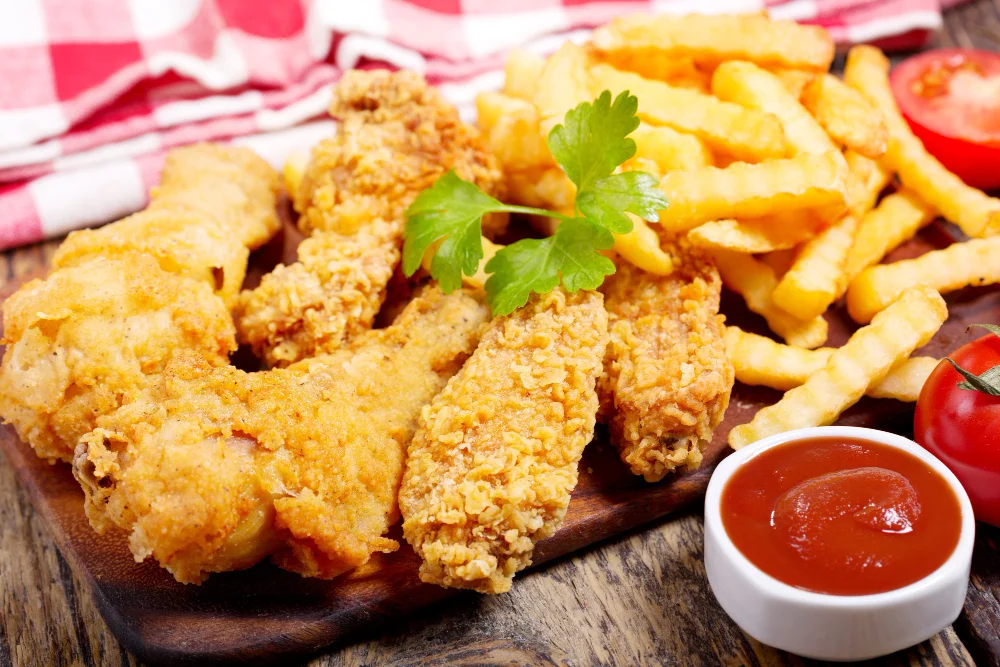
High-fat meals slow digestion and can aggravate nausea, cramping, and fullness. Deep-fried foods, fast food, and greasy takeaway meals place extra workload on the digestive system. Cooking methods such as boiling, steaming, grilling, or baking are preferred while symptoms are active.
4) Red and Processed Meats
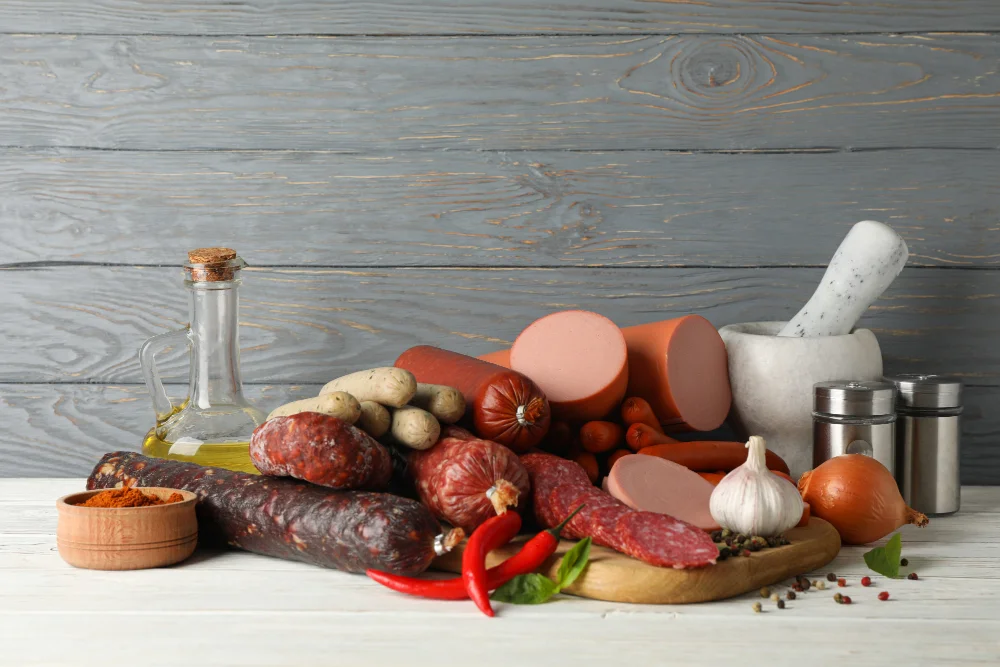
Large servings of beef, lamb, pork, and processed meats are often limited during flare-ups because they are heavier to digest than lean proteins. NHS-style dietary advice usually favors lighter options such as poultry, fish, and eggs during the recovery phase due to their lower digestive residue.
5) Full-Fat Dairy Products
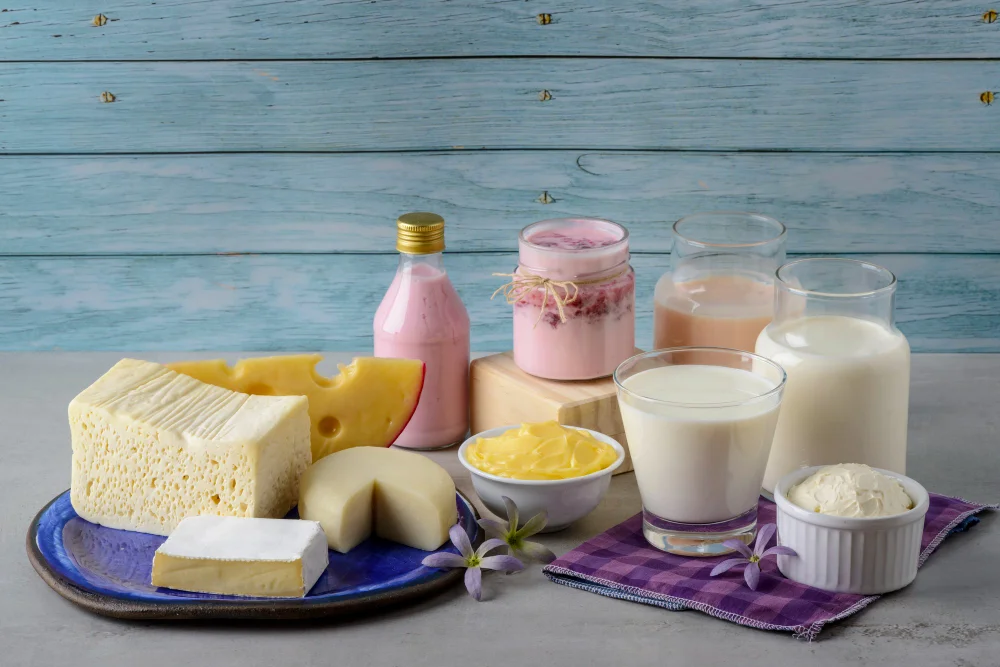
Dairy tolerance varies from person to person. Some individuals experience increased bloating or diarrhoea from rich dairy products, especially if lactose sensitive. Cream, full-fat milk, and soft cheeses may be reduced temporarily if they worsen symptoms. Lower-fat or lactose-free alternatives are often better tolerated.
6) Spicy Foods
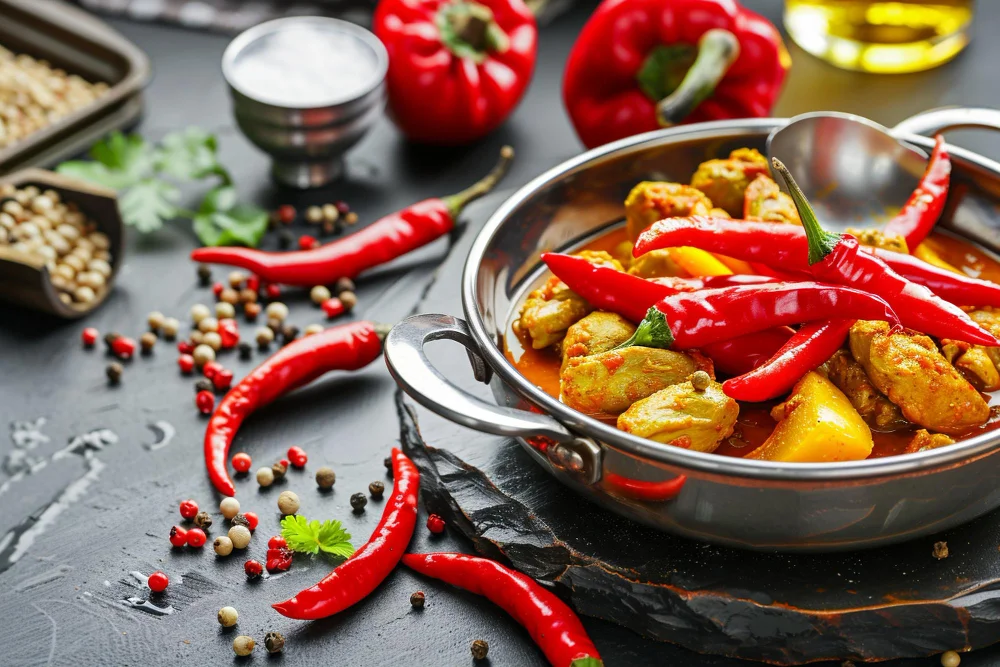
Highly spicy meals can irritate the gastrointestinal tract when inflammation is present. Strong chilli heat, hot sauces, and heavily spiced dishes may intensify abdominal discomfort. Mild herbs and gentle seasoning are usually recommended instead during symptom periods.
7) Highly Processed and Sugary Foods
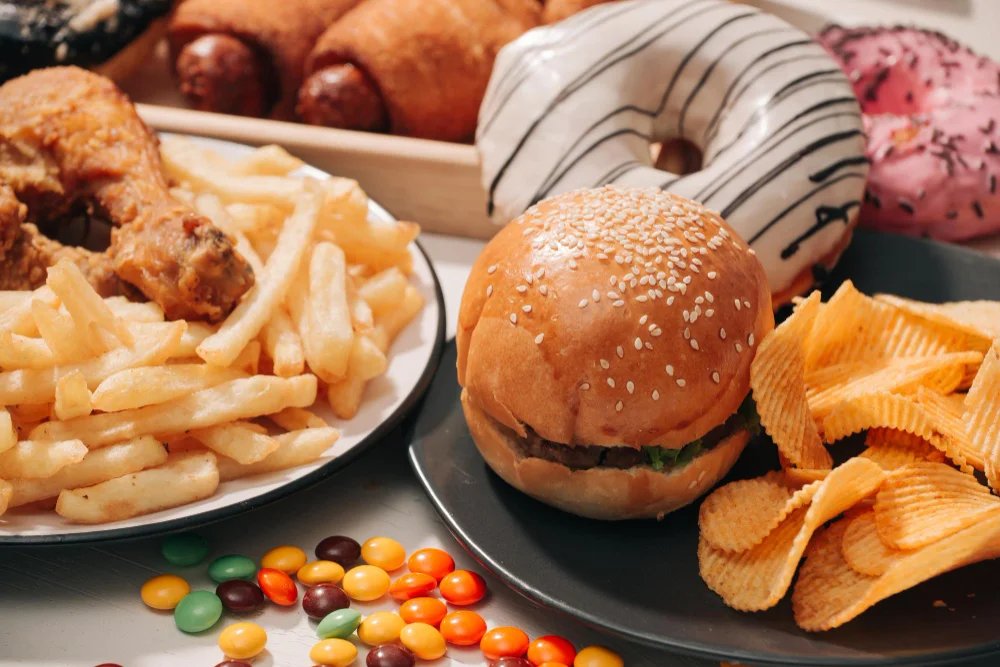
Ultra-processed snacks and sugary foods often combine fat, sugar, and additives that can worsen digestive upset while providing limited nutritional value. During flare-ups, simpler and less processed food choices are generally preferred.
What to Eat Instead During a Diverticulitis Flare
NHS trust diet sheets commonly recommend soft, low-fibre, easy-to-digest foods while symptoms are active. Meals usually center on refined carbohydrates, lean proteins, and well-cooked produce without skins or seeds.
White rice, refined pasta, skinless potatoes, eggs, poultry, fish, peeled and cooked vegetables, and low-fibre fruits such as bananas are typically better tolerated. Adequate fluid intake is strongly emphasized to prevent dehydration and support bowel function.
When a Clear Liquid Diet May Be Used
Short-Term Bowel Rest Strategy
For more severe symptoms, a GP or hospital team may advise a clear liquid diet for one to three days. This provides hydration while minimizing digestive workload. Clear broths, strained soups, pulp-free juices, tea, and water are commonly used.
This phase should be short and medically directed, not continued longer without supervision.
Fibre Intake After Recovery
Returning to a High-Fibre Pattern
Once pain and inflammation resolve, fibre should be gradually increased again. Long-term fibre intake supports regular bowel movements and reduces internal colon pressure. The transition should be slow to avoid gas and discomfort.
High-fibre foods such as whole grains, vegetables, fruits with skin, legumes, nuts, and seeds are typically restored step by step rather than all at once.
NHS Position on Nuts and Seeds
Updated Evidence vs Old Advice
- Older guidance often told patients with diverticular disease to permanently avoid nuts, seeds, corn, and popcorn.
- Modern clinical evidence does not support that restriction for people without active symptoms.
Current NHS-aligned education materials indicate these foods do not trigger diverticulitis attacks and can be included after recovery.
When to Contact a Doctor
You should seek medical advice if symptoms are persistent or worsening. Ongoing abdominal pain, fever, vomiting, or blood in the stool requires GP or NHS 111 assessment.
Urgent care is needed if there is severe abdominal pain with a rigid or swollen abdomen, heavy rectal bleeding, or signs of systemic infection such as confusion or breathlessness.
Key Takeaway
The NHS-style approach to the 7 foods to avoid with diverticulitis focuses on temporary restriction during flare-ups, not lifelong avoidance. Whole grains, legumes, fried foods, red and processed meats, rich dairy, spicy meals, and highly processed sugary foods are commonly limited while symptoms are active. After recovery, fibre is gradually restored to support long-term bowel health and prevention.