
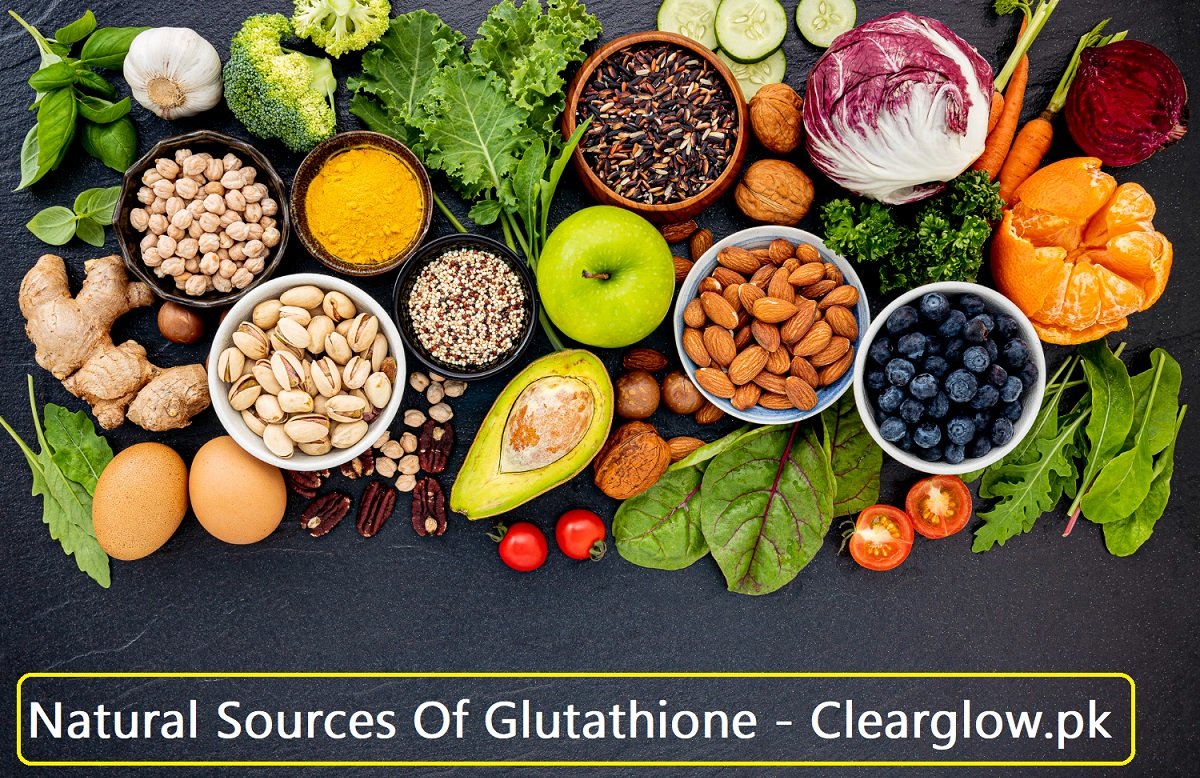
Glutathione is often called the body’s master antioxidant because it plays a central role in protecting cells from oxidative stress, supporting detoxification, and maintaining overall health. Many people search for natural sources of glutathione to improve wellness through diet rather than relying on medical or supplemental interventions.
This guide explains what glutathione is, how the body produces it, and which foods and lifestyle habits naturally support healthy glutathione levels. The focus is educational and evidence-based, with practical relevance for everyday diets.
Note: (This Content is an enhanced version of Dr. Debatri Datta’s article “Top 8 Glutathione Rich Foods For Glowing & Healthy Skin“. It covers some detailed information on glutathione-rich foods.)
What Is Glutathione and Why Is It Important
Glutathione is a powerful antioxidant produced naturally inside the body. It is present in almost every cell and helps neutralize free radicals, support immune function, and assist the liver in detoxification processes.
Unlike antioxidants obtained directly from food, glutathione is primarily made by the body itself. Adequate glutathione levels are associated with cellular protection, balanced immune responses, and healthy aging. Because of its role in reducing oxidative stress, it is also commonly discussed in relation to skin health and overall vitality, although it is not a medical treatment.
Key Functions of Glutathione:
Detoxification Powerhouse:
Your liver uses glutathione to filter and eliminate toxins, heavy metals, and harmful chemicals from your body. In Pakistan’s urban environment with high pollution levels, this function is particularly crucial.
Immune System Support:
Glutathione strengthens your immune cells, helping your body fight infections and inflammation more effectively. It ensures your white blood cells function at their peak.
Antioxidant Regeneration:
Glutathione has a unique ability to recycle other antioxidants like vitamins C and E. After these vitamins neutralize free radicals, glutathione restores them to their active form so they can continue protecting your cells.
Cellular Energy Production:
Your mitochondria (the energy factories in your cells) need glutathione to function properly. Higher glutathione levels mean better energy production and less fatigue.
DNA Protection and Repair:
It protects your DNA from oxidative damage and helps repair damaged genetic material, which is essential for preventing premature aging and maintaining healthy cell division.
The problem?
Glutathione levels naturally decline as you age. Research shows that by age 40, your glutathione levels can be 30% lower than in your 20s. Additionally, chronic stress, poor sleep, excessive alcohol consumption, smoking, and inadequate nutrition accelerate this decline.
Low levels have been linked to various age-related conditions, including glaucoma, macular degeneration, Parkinson’s disease, and accelerated skin aging. This is why maintaining adequate levels through diet and lifestyle becomes increasingly important as you get older.
The encouraging news is that while glutathione production naturally decreases, you can support and boost your levels through specific foods and lifestyle choices. Your body has the blueprint to make glutathione; it just needs the right raw materials and conditions to do so effectively.
How the Body Naturally Produces Glutathione
The body produces glutathione internally using three amino acids: cysteine, glycine, and glutamate. Among these, cysteine is considered the most critical because it is often the limiting factor in glutathione synthesis.
Several nutrients support this natural production process:
- Sulfur-containing compounds, which help form cysteine
- Vitamin C, which helps maintain glutathione in its active form
- Selenium, which supports antioxidant enzyme function
- Adequate protein intake, which provides essential amino acids
This is why diet plays a supportive role. Food does not act as a replacement for glutathione production but helps the body maintain its own natural supply.
15 Natural Sources of Glutathione (Complete Food List)
While glutathione supplements exist, natural food sources offer advantages: they’re safer, more affordable, and come with additional nutrients, and your body can effectively use the amino acids and cofactors they provide. Some foods contain glutathione directly, while others provide the building blocks your body needs to manufacture it.
Let’s explore the top 15 natural sources, organized by category for easy understanding.
1. Broccoli
Broccoli is one of the most potent sources of glutathione available. It contains sulforaphane, a compound that can increase glutathione production by 30-35%, according to research studies.
- Glutathione Content: High sulforaphane content that triggers glutathione synthesis
- Additional Nutrients: Vitamin C (one cup provides 135% daily value), vitamin K, folate, fiber, and various antioxidant compounds
- Pakistan Availability: Available year-round in major cities; found in larger supermarkets and vegetable markets. Price ranges from Rs. 80-120 per kg, depending on season and location.
- Best Consumption Method: lightly steam for 5–7 minutes. Overcooking destroys sulforaphane and other beneficial compounds. You can also eat it raw in salads, though some people find it harder to digest
- Serving Suggestion: One cup of cooked broccoli daily, or 3-4 cups per week minimum
- Pairing Tip: Combine with mustard seeds, horseradish, or wasabi (myrosinase-rich foods) to enhance sulforaphane activation
- Storage Tip: Store in the refrigerator and use within 4-5 days for maximum nutrient retention
A small 2013 study published in Cancer Prevention Research found that healthy adult men who ate 250 grams of steamed broccoli showed increased activity of glutathione S-transferase enzymes, suggesting elevated glutathione levels and improved oxidative stress resistance.
2. Cauliflower (Phool Gobhi)
Cauliflower is extremely budget-friendly in Pakistan and widely available, making it an excellent choice for consistent glutathione support.
- Glutathione Content: Rich in sulfur compounds and glucosinolates that support glutathione synthesis
- Additional Nutrients: Vitamin C, vitamin K, folate, choline, and powerful antioxidants, including indole-3-carbinol
- Pakistan Availability: Widely available and extremely affordable, especially in winter. Price ranges from Rs. 40 to 60 per kg. Peak season is November through February.
- Best Consumption Method: Can be eaten raw in salads (grate it finely) or lightly sautéed. The traditional aloo gobi is fine if you don’t overcook it.
- Serving Suggestion: 1-1.5 cups, 3-4 times per week
- Pakistani Recipe Tip: When making aloo gobi, add cauliflower in the last 7-10 minutes of cooking rather than cooking it for the full duration. This preserves more nutrients.
Budget Advantage: One of the most economical glutathione-supporting foods available in Pakistan
3. Cabbage (Band Gobhi)
Cabbage is another affordable cruciferous vegetable that’s available year-round across Pakistan.
- Glutathione Content: High glucosinolate content that boosts glutathione production
- Additional Nutrients: Vitamin C (one cup provides 54% daily value), vitamin K, folate, fiber, and anthocyanins (in purple cabbage)
- Pakistan Availability: Extremely affordable and available everywhere. Price ranges from Rs. 30 to 50 per kg.
- Best Consumption Method: Raw in coleslaw or kachumber salad is ideal. Light stir-frying for 5-7 minutes also works well.
- Serving Suggestion: One cup daily (raw or lightly cooked)
- Preparation Tip: Finely shred cabbage and let it sit for 5 minutes before consuming (raw) or cooking. This activates beneficial enzymes.
- Storage: A whole cabbage head keeps for 2-3 weeks in the refrigerator, making it perfect for weekly meal prep.
Budget Highlight: At Rs. 30-50 per kg, one medium cabbage (about 1 kg) provides enough for 5-7 servings, making it one of the most cost-effective glutathione boosters available.
4. Brussels Sprouts
Brussels sprouts have among the highest concentrations of glutathione-boosting compounds in the cruciferous family.
- Glutathione Content: Very high in sulforaphane and other sulfur compounds
- Additional Nutrients: Exceptional source of vitamin C (one cup provides 125% daily value), vitamin K (195% daily value), folate, and manganese
- Pakistan Availability: Limited availability; found mainly in high-end supermarkets in Islamabad, Lahore, and upscale areas of Karachi. Price ranges from Rs. 300 to 500 per kg when available.
- Best Consumption Method: Roasted at high heat (200°C) for 20-25 minutes or steamed. Never boil them.
- Serving Suggestion: Half cup, 2-3 times weekly if you can find and afford them
Alternative: If Brussels sprouts aren’t available or affordable, cabbage provides similar benefits at a fraction of the cost.
5. Garlic (Lehsan)
Garlic is one of the most powerful glutathione-boosting foods, and it’s already a staple in Pakistani cooking.
- Glutathione Content: Contains allicin and other sulfur compounds that directly increase glutathione levels by 15-20%, according to studies.
- Additional Nutrients: Selenium, manganese, vitamin B6, vitamin C, and various bioactive sulfur compounds
- Pakistan Availability: Available everywhere across Pakistan. Price ranges from Rs. 200. 400 per kg depending on the season.
- Best Consumption Method: Raw or minimally cooked for maximum benefit. Crush or chop garlic and let it sit for 10 minutes before cooking to activate allicin. Add garlic in the last few minutes of cooking rather than frying it at the start.
- Serving Suggestion: 2-3 cloves daily. This is very achievable in Pakistani cooking, where garlic is used liberally.
- Pakistani Advantage: Already used extensively in Pakistani cuisine (daal, curry, karahi, and biryani base), making it easy to consume adequate amounts
- Scientific Backing: Multiple studies show garlic supplementation increases glutathione levels significantly, particularly in liver tissue.
Preparation Tip: The way you prepare garlic affects its benefits. Crushing or chopping raw garlic triggers enzymatic reactions that produce allicin and other beneficial compounds. Letting crushed garlic sit for 10 minutes before adding heat allows these compounds to form and become more heat-stable.
6. Onions (Pyaz)
Onions are used in virtually every Pakistani household daily, making them perhaps the most accessible glutathione booster.
- Glutathione Content: High in sulfur amino acids, particularly cysteine precursors
- Additional Nutrients: Quercetin (powerful antioxidant), vitamin C, folate, chromium, and various sulfur compounds
- Pakistan Availability: Daily staple available everywhere. Price ranges from Rs. 40 to 80 per kg.
- Best Consumption Method: Both raw (in salad, raita, and kachumber) and cooked. Raw onions provide more direct sulfur compounds, while cooked onions are easier to consume in larger quantities.
- Serving Suggestion: Half a medium onion daily is very easy to achieve through normal cooking and salads.
- Pakistani Advantage: Already consumed regularly in most households through salads, raita, and as a base for curries
- Red vs. White: Red onions contain more quercetin and antioxidants, but both varieties support glutathione effectively.
Cultural Note: The Pakistani tradition of including raw onion slices with meals (especially with biryani, kababs, and parathas) is actually excellent for glutathione support, even though that’s not why the tradition exists.
7. Shallots
Shallots have a higher concentration of beneficial compounds compared to regular onions due to their smaller size and more intense flavor.
- Glutathione Content: Higher concentration of sulfur compounds per gram than regular onions
- Additional Nutrients: Similar to onions but more concentrated
- Pakistan Availability: Found as “choti pyaz” or “gandana” in markets, though not as common as regular onions
- Best Consumption Method: Use in cooking just like garlic, or finely slice for salads.
- Serving Suggestion: 2-3 shallots per day in cooking
Alternative: Regular onions work just as well if shallots aren’t available.
8. Spinach (Palak)
Spinach is one of the best direct dietary sources of glutathione, though you absorb only a portion of it.
- Glutathione Content: Contains 5-8 mg of glutathione per 100 g when raw. Cooking reduces this by 50-60%.
- Additional Nutrients: Exceptional source of iron, vitamin A (188% daily value per cup cooked), vitamin C, vitamin K (604% daily value), folate, and lutein
- Pakistan Availability: Abundant in winter months (November-March), especially in Punjab and Sindh. Price ranges from Rs. 30 to 60 per bundle during the season. Less available and more expensive in summer
- Best Consumption Method: Raw in smoothies or salads for maximum glutathione retention. If cooking, lightly sauté for no more than 5 minutes.
- Serving Suggestion: 1-2 cups raw daily, or 1 cup lightly cooked if you can’t tolerate raw spinach
- Pakistani Preparation: Traditional palak paneer and palak daal are fine, but don’t cook the spinach for 20-30 minutes. Add spinach in the final 5-7 minutes of cooking.
- Important Note: Spinach contains oxalates, which can affect calcium absorption. If you have kidney stones or are prone to them, moderate your intake and ensure adequate hydration.
Storage Tip: Fresh spinach loses glutathione content rapidly. Use within 2-3 days of purchase. Don’t buy more than you’ll use quickly.
9. Kale
Kale has become popular globally as a superfood, and for good reason.
- Glutathione Content: Higher than spinach when consumed raw
- Additional Nutrients: Vitamin K (684% daily value per cup), vitamin A, vitamin C, calcium, and various antioxidant compounds
- Pakistan Availability: Limited to organic stores and high-end supermarkets in major cities. More expensive than spinach
- Best Consumption Method: Raw in salads or smoothies, baked as kale chips, or lightly steamed
- Serving Suggestion: 1-2 cups, 3-4 times weekly if available
- Alternative: Spinach or mustard greens (sarson) provide similar benefits and are more accessible and affordable in Pakistan.
10. Mustard Greens (Sarson ka Saag)
This is Pakistan’s superstar leafy green, especially in Punjab.
- Glutathione Content: Good sulfur content that supports glutathione synthesis, plus some direct glutathione
- Additional Nutrients: Vitamin K, vitamin A, vitamin C, folate, calcium, and glucosinolates
- Pakistan Availability: A winter staple, especially in Punjab. Widely available November through February. Price ranges from Rs. 40 to 60 per bundle.
- Best Consumption Method: Traditional sarson ka saag is fine, though lighter preparation is better. Avoid heavy cream versions.
- Serving Suggestion: One cup, 2-3 times weekly during winter
- Cultural Advantage: Already beloved in Pakistani cuisine, especially when paired with makki di roti
- Health Tip: Traditional sarson ka saag often includes a lot of butter or cream. For glutathione purposes, use minimal fat and don’t overcook the greens.
Regional Note: Sarson ka saag season (winter) is actually the perfect time to boost glutathione in Pakistan because it coincides with several other glutathione-rich vegetables being in peak season and at their lowest price.
11. Eggs (Anday)
Eggs are arguably the single best food for glutathione support because they provide abundant cysteine in a highly bioavailable form.
- Glutathione Content: Rich in cysteine, the direct building block for glutathione production
- Additional Nutrients: Complete protein (all essential amino acids), vitamin D, B12, selenium, choline, lutein, and zeaxanthin
- Pakistan Availability: Available universally across Pakistan. The price ranges from Rs. 15 to Rs. 25 per egg, depending on the location and type (desi vs. farm).
- Best Consumption Method: Boiled, poached, or scrambled. Avoid deep frying, which oxidizes beneficial fats.
- Serving Suggestion: 1-2 eggs daily is ideal for glutathione support.
- Best Timing: Breakfast is optimal because it provides amino acids when your body’s glutathione synthesis is most active.
- Budget-Friendly: One of the most affordable complete proteins and cysteine sources available
- Storage: Room temperature eggs (as commonly stored in Pakistan) are fine for 2-3 weeks. Refrigeration extends to 4-5 weeks.
Scientific Support: Studies show that consuming eggs regularly increases blood glutathione levels because the cysteine is efficiently absorbed and used for glutathione synthesis.
Cholesterol Concern: Current research shows that dietary cholesterol from eggs has minimal impact on blood cholesterol for most people. The benefits of glutathione far outweigh any theoretical cholesterol concerns for healthy individuals eating 1-2 eggs daily.
12. Chicken (Murgh)
Chicken is Pakistan’s most commonly consumed meat and an excellent glutathione supporter.
- Glutathione Content: High in cysteine and glycine, two of the three amino acids needed for glutathione
- Additional Nutrients: Complete protein, B vitamins (especially B3 and B6), selenium, phosphorus
- Pakistan Availability: Widely available everywhere. Price ranges from Rs. 400 to 600 per kg, depending on type (desi murgh is more expensive).
- Best Consumption Method: Grilled, baked, or light curry. Avoid excessive oil and deep frying.
- Serving Suggestion: 100-150 g, 3-4 times weekly
- Pakistani Style: Chicken karahi, chicken tikka, and grilled chicken are all good. Just reduce the oil compared to restaurant versions.
- Chicken Breast vs. Thighs: Breast has more protein and less fat, making it slightly better for glutathione purposes, though both are beneficial.
Budget Tip: Buying a whole chicken and cutting it yourself saves 30-40% compared to buying individual pieces.
13. Fish (Machli)
Fish provides cysteine plus selenium, a crucial mineral cofactor for glutathione enzymes.
- Glutathione Content: Rich in cysteine and glycine, plus selenium, which activates glutathione enzymes
- Additional Nutrients: Omega-3 fatty acids (especially in fatty fish), complete protein, vitamin D, iodine, various B vitamins
- Pakistan Availability: Varies significantly by region. Coastal areas (Karachi, Gwadar) have excellent access to fresh fish. Inland areas have a more limited selection. Common types include rohu, catla, tilapia, pomfret, and various sea fish.
- Price Range: Rs. 300-1200 per kg, depending on type and freshness
- Best Consumption Method: Grilled, baked, or light curry (avoiding excessive oil)
- Serving Suggestion: 150-200 g, 2-3 times weekly
- Coastal Advantage: Fresh fish in Karachi and other coastal cities retains more nutrients than frozen fish available inland.
- Mercury Concern: Stick to smaller fish (rohu, catla, and tilapia), which have lower mercury content. Limit large predatory fish.
Preparation Tip: Marinating fish with turmeric, garlic, and lemon before cooking adds additional glutathione-boosting compounds.
14. Whey Protein
Whey protein has the highest cysteine content of any food, making it extremely effective for boosting glutathione.
- Glutathione Content: Highest cysteine content per gram of any protein source (2-3 times higher than eggs or chicken)
- Additional Nutrients: Complete amino acid profile, branched-chain amino acids (BCAAs), immunoglobulins
- Pakistan Availability: Health stores and online retailers. Price ranges from Rs. 3,000 to 8,000 per kg depending on brand and quality.
- Best Consumption Method: Mix with water or milk post-workout, or add to smoothies.
- Serving Suggestion: 20-30 g daily (typically one scoop)
- Quality Matters: Choose unflavored, minimally processed whey protein concentrate or isolate from grass-fed cows if possible.
- Research Support: Multiple studies show whey protein supplementation increases glutathione levels by 20-30% within 2-3 weeks.
- Cost Consideration: Expensive compared to Whole Foods, but very concentrated and convenient
Important Note: Whey protein is dairy-derived, so avoid it if you’re lactose intolerant (unless using whey protein isolate, which has minimal lactose).
15. Citrus Fruits (Oranges, Kinnow, Lemon)
Citrus fruits don’t contain much glutathione directly, but they’re crucial for glutathione function.
- Glutathione Content: Minimal direct glutathione, but very high vitamin C content that regenerates oxidized glutathione
- Additional Nutrients: Vitamin C (one orange provides 116% daily value), fiber, folate, potassium, and various flavonoids
- Pakistan Availability: Excellent, especially kinnow during the winter season (December-March). Price ranges from Rs. 50-100 per kg during peak season.
- Best Consumption Method: Fresh whole fruit or freshly squeezed juice (no added sugar)
- Serving Suggestion: 1-2 fruits daily or one glass of fresh juice
- Pakistani Advantage: Kinnow season provides extremely affordable vitamin C, making winter the ideal time to boost glutathione.
- Scientific Support: Studies show vitamin C supplementation can increase glutathione levels in white blood cells by up to 47%.
Juice vs. Whole Fruit: Whole fruit is better because it includes fiber, and you’re less likely to overconsume sugar. If making juice, drink immediately (vitamin C oxidizes within 15-20 minutes of juicing).
Natural Sources vs Supplements: Understanding the Difference
Natural sources of glutathione focus on supporting internal production through diet and lifestyle. Glutathione supplements and medical forms work differently and may have different safety considerations.
Food-based approaches are generally considered foundational for overall health. They support normal biological processes rather than replacing them. For individuals with medical conditions, professional guidance is important before considering any form of supplementation.
Common Myths About Natural Glutathione
Myth 1: You Can Dramatically Change Skin Color with Glutathione Foods
Reality:
Glutathione may help improve skin clarity and reduce uneven pigmentation, but it cannot drastically change your natural skin color. Genetics determines your baseline complexion through melanin type and distribution. Dietary glutathione support works gradually and affects skin health rather than skin identity.
Truth:
The real benefit of glutathione-supporting foods is improved skin clarity, reduced dark spots, and a more even-looking tone. Any brightening effect comes from healthier skin cells and balanced pigmentation, not from changing your natural skin color. Expectations should focus on clarity and uniformity rather than dramatic lighting.
Myth 2: Eating More Glutathione Foods Gives Faster Results
Reality:
The body can only absorb and use a limited amount of nutrients at one time. Excess intake does not speed up glutathione production and may be redirected toward energy use or excretion.
Truth:
Regular, balanced intake of glutathione supporting foods over weeks and months is far more effective than consuming large quantities in a short period. Consistency allows the body to maintain steady glutathione synthesis, which leads to better long-term results than occasional excessive intake.
Myth 3: Raw Foods Are Always Better Than Cooked
Reality:
Raw foods retain more direct glutathione, but some nutrients become more bioavailable when foods are lightly cooked. Gentle cooking can improve the absorption of sulfur compounds needed for glutathione production.
Truth:
A combination of raw and lightly cooked foods provides the best outcome. Raw fruits and salads supply antioxidants, while lightly cooked vegetables improve digestibility and nutrient absorption. The best diet is one you can maintain consistently without digestive discomfort.
Myth 4: Expensive Foods Work Better Than Affordable Ones
Reality:
Price and marketing do not determine nutritional effectiveness. Many affordable foods provide equal or greater glutathione support than imported or heavily promoted foods.
Truth:
Common foods such as garlic, onions, eggs, cabbage, and leafy greens are scientifically supported and highly effective. Choosing affordable, local foods allows long-term consistency, which matters more than purchasing expensive items occasionally.
Myth 5: You Must Take Supplements Because Food Is Not Enough
Reality:
Most healthy individuals can support adequate glutathione levels through diet alone. Supplements may be useful only in specific medical or deficiency-related situations.
Truth:
A food-first approach provides the building blocks the body needs to produce its own glutathione naturally. Supplements should be viewed as optional tools for specific needs, not as a requirement for general health or skin support.
Myth 6: Results Are Permanent Once Achieved
Reality:
Glutathione is constantly used by the body for detoxification and antioxidant defense. Levels decline when supportive habits are discontinued.
Truth:
Maintaining glutathione levels requires ongoing dietary and lifestyle support. This is not a temporary plan but a sustainable eating pattern. Once these foods become part of regular meals, maintaining benefits becomes easier and more natural.
Myth 7: Only Certain Superfoods Increase Glutathione
Reality:
The concept of superfoods is largely marketing-driven. Glutathione support comes from multiple nutrients working together, not from a single food.
Truth:
Dietary variety is essential. Consuming a wide range of vegetables, fruits, and protein sources provides complementary nutrients that support glutathione production more effectively than focusing on one or two so-called superfoods.
Myth 8: Glutathione Foods Fix All Skin Problems
Reality:
Glutathione supports skin concerns related to oxidative stress and pigmentation, but does not treat hormonal, genetic, or inflammatory skin conditions.
Truth:
Glutathione works best as part of a broader skin health approach that includes proper skincare, sun protection, hydration, and medical care when necessary. It supports skin health but does not replace professional treatment.
Myth 9: Visible Results Appear in One to Two Weeks
Reality:
Skin cells require time to renew and repair. Meaningful changes in pigmentation and clarity take multiple skin cycles.
Truth:
Most people notice subtle changes after four to six weeks and more visible improvements after eight to twelve weeks. Sustainable improvements depend on patience, consistency, and realistic expectations rather than quick fixes.
Myth 10: If Some Is Good, More Is Better
Reality:
There is an optimal range for nutrient intake. Excessive consumption does not increase benefits and may interfere with the body’s natural balance.
Truth:
Moderation supports long-term success. Following balanced serving sizes and maintaining dietary variety allows the body to regulate glutathione production efficiently without unnecessary strain or waste.
What Are You Waiting For?
Ready to accelerate your results? Explore our premium glutathione supplements designed to complement your glutathione-rich diet. Formulated for optimal absorption and made with quality ingredients.
Frequently Asked Questions
Q1: What is the best natural source of glutathione?
A: Whey protein and eggs provide the highest levels of cysteine, the key amino acid for glutathione production. However, for overall glutathione support, combining sulfur-rich foods (garlic, onions), cruciferous vegetables (broccoli, cauliflower), and leafy greens (spinach) is most effective. No single food is “best”; variety and consistency matter more than focusing on one source.
Q2: Can I get enough glutathione from food alone without supplements?
A: Yes, healthy individuals can maintain optimal glutathione levels through diet alone. A diet rich in eggs, garlic, onions, cruciferous vegetables, and lean proteins provides sufficient amino acids and cofactors for glutathione production. Supplements may be helpful during high-stress periods or for specific medical conditions, but aren’t necessary for most people with a balanced diet.
Q3: How much glutathione do I need daily?
A: There’s no official daily requirement since your body produces glutathione. However, studies suggest consuming foods that provide:
- 200-300mg cysteine daily (2 eggs provide ~200mg)
- Multiple servings of sulfur-rich foods
- Vitamin C (500-1000mg) to regenerate glutathione. Focus on consistent intake of glutathione-supporting foods rather than specific amounts.
Q4: How long does it take to increase glutathione levels through food?
A: Blood glutathione levels can increase within 2-4 weeks of dietary changes, but visible skin benefits take 8-12 weeks. Internal improvements (energy, immune function) appear around 3-4 weeks. Maximum benefits typically occur after 12-16 weeks of consistent consumption. Individual timelines vary based on age, baseline levels, and overall health.
Q5: Does cooking destroy glutathione in foods?
A: Boiling can destroy 50-70% of glutathione content, but lightly steaming preserves 60-70%. However, even cooked vegetables provide sulfur compounds that support glutathione synthesis. The key is avoiding overcooking; steam for 5-7 minutes maximum. Include both raw (salads) and lightly cooked foods in your diet for optimal benefits.
Q6: Are there any side effects of eating glutathione-rich foods?
A: No, there are no adverse side effects from eating natural glutathione-rich foods. These are regular, healthy foods (vegetables, proteins, fruits) that provide overall nutrition. Unlike high-dose supplements (which can rarely cause digestive issues), food sources are completely safe for daily consumption. However, if you have specific food allergies, avoid those particular foods.
Q7: Can I eat glutathione foods every day?
A: Yes, and you should! Glutathione is used continuously by your body for detoxification, immune function, and cellular protection. Daily consumption of glutathione-supporting foods is not only safe but recommended for maintaining optimal levels. In fact, consistency is the most important factor for seeing and maintaining results.
Q8: Does green tea increase glutathione?
A: Yes, green tea contains catechins (especially EGCG) that support glutathione activity and may increase levels by 15-20%. The polyphenols in green tea help protect glutathione from oxidation and support its regeneration. Drinking 2-3 cups daily (without excessive sugar) complements a glutathione-rich diet. Turmeric tea also has similar benefits.
Q9: Are there any medical conditions where I shouldn’t increase glutathione?
A: Glutathione-rich foods are generally safe for everyone. However:
- Asthma patients: Inhaled glutathione supplements (not food) can trigger symptoms
- Cancer patients: Consult an oncologist (glutathione may affect some chemotherapy drugs)
- Specific allergies: Avoid allergenic foods. Dietary glutathione from whole foods is safe, but always consult your doctor if you have serious health conditions or take medications.