You’ve been taking skin whitening tablets for months, following the instructions religiously, and waiting patiently for that promised radiant glow. But when you look in the mirror, your skin tone hasn’t changed. The dark spots are still there. The uneven pigmentation persists. You’re not alone in this frustration.
Thousands of people across Pakistan invest their hard-earned money in oral lightening supplements, only to feel disappointed when their skin doesn’t transform as advertised. This comprehensive guide examines the scientific, biological, and practical reasons why skin whitening tablets often fail to deliver results, and offers safe and effective alternatives recommended by dermatologists.
Understanding How Skin Whitening Pills Are Supposed to Work
Before understanding why these pills fail, it’s important to know how they’re supposed to work in the first place.
The Science of Melanin and Skin Color
Your skin color is determined by melanin, a pigment produced by specialized cells called melanocytes. There are two main types of melanin: eumelanin (which creates darker brown and black pigments) and pheomelanin (which produces lighter red and yellow tones).
The amount and type of melanin in your skin are primarily controlled by your genetics. People with naturally darker skin have more active melanocytes that produce higher levels of eumelanin. This genetic programming is extremely difficult to override with oral supplements alone.
Key Active Ingredients in Whitening Tablets
Most skin whitening tablets rely on specific ingredients to inhibit melanin production:
Glutathione: This powerful antioxidant is the star ingredient in most whitening pills. It works by converting darker eumelanin into lighter pheomelanin. Glutathione also reduces the activity of tyrosinase, the enzyme responsible for melanin production.
Vitamin C: Often paired with glutathione, vitamin C (ascorbic acid) brightens skin and supports collagen production. It helps boost glutathione’s effectiveness and provides additional antioxidant protection.
Supporting Ingredients: Many formulations include alpha-arbutin, kojic acid, and licorice extract, which further inhibit the activity of tyrosinase and melanin synthesis.
The theory sounds promising. These supplements are marketed to work from the inside out, creating a more permanent and even lightning effect compared to topical creams.
The Expected Timeline: When Should You See Results?
Most brands suggest that visible changes occur after 2-6 months of consistent use. Some claim results in as little as 4 weeks, while others recommend 12 weeks or longer.
However, many users report no noticeable change even after six months of daily use. Such behavior leads to frustration, doubt about product authenticity, and ultimately, wasted money and dashed hopes. You can use our Skin Beauty Results Timeline Calculator to calculate how much time it will take and how many tablets you exactly need.
Top 7 Reasons Why Skin Lightening Tablets Fail
Understanding why these pills don’t work requires looking at biological, product-related, and lifestyle factors that directly impact their effectiveness.
Reason #1: Poor Bioavailability and Absorption Issues
The most significant problem with oral glutathione supplements is that they’re poorly absorbed through the digestive system. Scientific studies show that when you take glutathione by mouth, it must pass through your stomach acid and intestinal enzymes before reaching your bloodstream.
During this journey, most of the glutathione gets broken down into its component amino acids (cysteine, glutamic acid, and glycine) before it ever reaches your skin cells. Research indicates oral glutathione has low bioavailability in humans, meaning only a small fraction of what you consume actually makes it into your bloodstream in usable form.
Unless the product uses advanced delivery systems like liposomal technology or is combined with absorption enhancers, the glutathione simply doesn’t reach your melanocytes in sufficient quantities to create visible lightening effects.
Reason #2: Genetic Factors and Baseline Melanin Levels
Your genetic makeup plays the biggest role in how your body responds to lightening agents. Individuals with naturally higher baseline melanin levels or certain genetic markers that promote active melanin production may see minimal or no effects, regardless of dosage or duration.
Pakistani skin types, which typically range from Type IV to Type V on the Fitzpatrick scale, have densely packed melanocytes with robust melanin production. This genetic programming is extremely resistant to change through oral supplementation alone.
Think of it this way: if your body is genetically programmed to produce a certain level of melanin for sun protection and adaptation to your environment, a supplement alone cannot override millions of years of evolutionary biology.
Reason #3: Fake, Counterfeit, or Low-Quality Products
Pakistan’s skincare market faces significant regulatory challenges, with many products containing undisclosed or banned ingredients. The market is flooded with:
- Counterfeit products: that contain little to no active ingredient.
- Under-dosed supplements: with far less glutathione or vitamin C than advertised
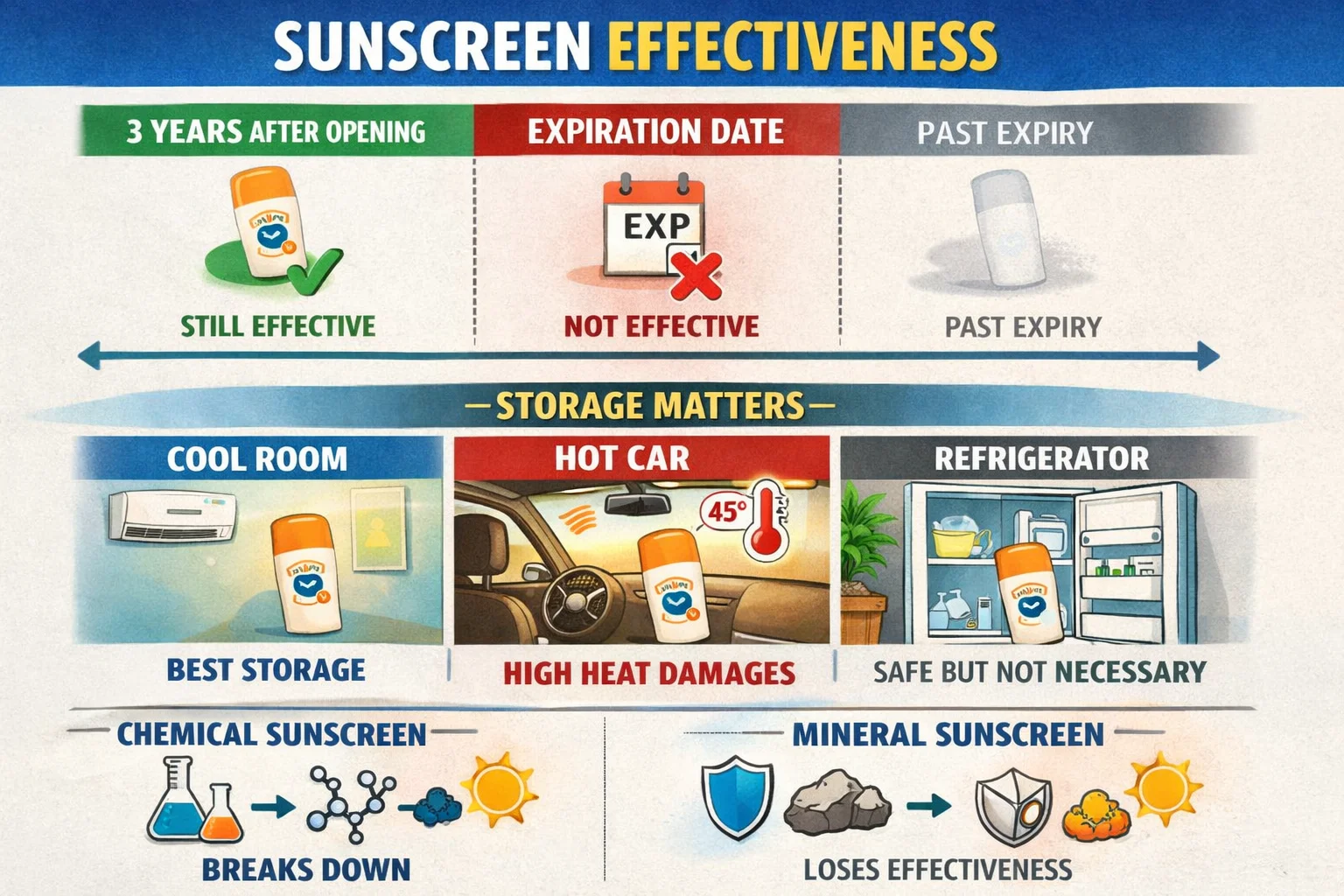
- Expired or improperly stored tablets: that have lost their potency
- Products with harmful adulterants: including mercury, steroids, or unlisted chemicals
Without proper DRAP (Drug Regulatory Authority of Pakistan) registration and third-party testing, there’s no guarantee that what’s on the label matches what’s in the bottle.
Reason #4: Incorrect Dosage and Duration
Clinical studies showing skin lightening effects used dosages of 250mg to 1,000mg of glutathione daily for periods of 12 weeks to 6 months. Many commercial products contain far less than the clinically studied amounts.
Even if the dosage is correct, inconsistent usage destroys results. Skipping doses, taking pills irregularly, or stopping too soon prevents the compound effect needed for visible changes. Glutathione needs to build up in your system over time to potentially affect melanin production.
Reason #5: Sun Exposure Counteracting Effects
This is perhaps the most overlooked factor. Every time you step outside without proper sun protection, UV radiation triggers your melanocytes to produce more melanin as a protective response. This is your body’s natural defense mechanism against sun damage.
In Pakistan’s sunny climate, especially in cities like Lahore, Karachi, and Faisalabad, UV exposure is significant year-round. If you’re taking whitening pills but not using SPF 50+ sunscreen daily, reapplying every 2-3 hours, you’re essentially working against yourself. The sun stimulates melanin production faster than the pills can potentially inhibit it.
Reason #6: Lifestyle and Dietary Interference
Several lifestyle factors can sabotage your skin whitening efforts:
- Smoking: Increases oxidative stress in your body, making it harder for antioxidants like glutathione to work effectively. Smoking also damages skin cells and accelerates aging.
- Alcohol consumption: Places a strain on your liver, the organ responsible for processing glutathione and other antioxidants.
- Poor nutrition: A diet high in sugar, processed foods, and inflammatory ingredients increases oxidative damage and counteracts the antioxidant benefits of whitening supplements.
- Inadequate sleep and chronic stress: Both elevate cortisol levels, which can trigger hormonal changes that affect pigmentation and skin health.
- Dehydration: Reduces the effectiveness of nutrient delivery to skin cells and impairs the body’s natural detoxification processes.
Reason #7: Underlying Hormonal Imbalances
Hormonal conditions can sustain hyperpigmentation despite treatment:
- Polycystic Ovary Syndrome (PCOS): Causes hormonal fluctuations that trigger melasma and acanthosis nigricans (dark patches in skin folds).
- Thyroid disorders: Both hypothyroidism and hyperthyroidism can affect skin pigmentation and the body’s metabolism of supplements.
- Pregnancy and post-pregnancy hormonal changes: Create melasma (pregnancy mask) that’s extremely resistant to oral lightening treatments.
- Insulin resistance and diabetes can cause persistent dark patches that won’t respond to standard whitening approaches.
If you have an underlying hormonal issue, no amount of glutathione pills will address the root cause of your pigmentation. The hormonal trigger will continue to stimulate melanin production.
Hidden Risks of Using Ineffective Whitening Pills
Taking pills that don’t work isn’t just a waste of money. It can pose serious health and skin risks.
| Risk Category | Specific Risk | Description | Severity |
|---|---|---|---|
| Health Complications | Liver and Kidney Strain | Your liver and kidneys must process and filter compounds in supplements. High doses over extended periods create an unnecessary burden, especially with unlisted ingredients. | High |
| Mercury Contamination | Unregulated products may contain mercury, causing kidney damage, liver toxicity, and nervous system effects. | Severe | |
| Steroid Contamination | Corticosteroids in unlabeled products cause serious health problems, including hormonal imbalances and organ damage. | Severe | |
| Nutrient Imbalances | High doses of vitamins/antioxidants create imbalances. Excessive vitamin C causes digestive issues and interferes with copper absorption. | Medium | |
| Allergic Reactions | Skin rashes, swelling, gastrointestinal problems, or respiratory issues from supplement ingredients. | Medium-High | |
| Skin Damage | Rebound Hyperpigmentation | Skin darkens beyond its original tone after stopping certain ingredients (hydroquinone, steroids). Melanocytes reactivate, causing darker pigmentation. | High |
| Compromised Skin Barrier | Prolonged use weakens the protective barrier, increasing susceptibility to damage, irritation, and environmental stressors. | Medium-High | |
| Accelerated Aging | Products thin skin over time, making fine lines, wrinkles, and age spots more visible. | Medium | |
| Exogenous Ochronosis | Blue-black pigmentation on the face from long-term use of certain whitening ingredients. Difficult to treat. | Severe | |
| Financial Impact | Money Wasted | Spending thousands of rupees monthly on ineffective products adds up quickly. Average loss: Rs. 15,000-50,000+ annually. | Medium |
| Psychological Impact | Damaged Self-Esteem | Failed expectations damage self-esteem and create body image issues. | Medium-High |
| Unrealistic Beauty Standards | Reinforces harmful beauty standards and colorism. | Medium | |
| Trust Issues | Bad experiences create skepticism toward legitimate skincare products and treatments. | Medium |
What to Do When Your Whitening Tablets Stop Working
If you’ve been taking skin whitening pills without results, here’s your action plan:
Step 1: Consult a Board-Certified Dermatologist
A qualified dermatologist can:
- Assess your skin type and pigmentation concerns: Professional evaluation determines whether your concerns are due to hyperpigmentation, melasma, post-inflammatory darkening, or natural skin tone.
- Identify underlying causes: Blood tests can reveal hormonal imbalances, vitamin deficiencies, or other health issues affecting your skin.
- Recommend personalized treatments: Dermatologists can prescribe evidence-based treatments tailored to your specific condition, skin type, and health status.
- Perform patch testing: This identifies any allergies or sensitivities before starting new treatments.
Step 2: Switch to Clinically Proven Alternatives
If oral supplements aren’t working, consider these evidence-based options:
- Prescription hydroquinone: The gold standard for treating hyperpigmentation. It inhibits tyrosinase more effectively than over-the-counter ingredients. Must be used under medical supervision.
- Topical tretinoin (Retin-A): Increases cell turnover, fading dark spots, and improving skin texture. Requires prescription.
- Azelaic acid: Treats multiple forms of pigmentation with fewer side effects than hydroquinone. Available in 10% OTC or 15-20% prescription strengths.
- Kojic acid: Natural tyrosinase inhibitor derived from mushrooms. Effective for mild to moderate pigmentation.
- Niacinamide (Vitamin B3): Reduces melanin transfer from melanocytes to skin cells. Gentle enough for daily use.
- Vitamin C serums: L-ascorbic acid in concentrations of 10-20% can brighten skin and protect against oxidative damage. More effective topically than orally for pigmentation.
Step 3: Consider Professional In-Office Treatments
For stubborn pigmentation that doesn’t respond to topical treatments:
- Chemical peels: Glycolic acid, salicylic acid, and TCA peels exfoliate pigmented skin layers. Multiple sessions needed for optimal results. Cost in Pakistan: Rs. 3,000 – Rs. 15,000 per session.
- Q-switched laser: Targets melanin with precision, breaking up pigmentation into smaller particles that the body eliminates. Effective for melasma and dark spots. Cost: Rs. 10,000 – Rs. 40,000 per session.
- IPL (Intense Pulsed Light): Uses broad-spectrum light to target pigmentation. Good for overall skin brightening. Cost: Rs. 15,000 – Rs. 30,000 per session.
- Microneedling with brightening serums: Creates microchannels that enhance penetration of vitamin C, tranexamic acid, or other lightening agents. Cost: Rs. 5,000 – Rs. 20,000 per session.
Step 4: Optimize Your Current Routine
Even if switching treatments, maximize results with:
- Strict sun protection: SPF 50+ broad-spectrum sunscreen applied every morning and reapplied every 2-3 hours. This is non-negotiable.
- Consistent skincare routine: Cleanse, treat, moisturize, and protect daily without skipping.
- Dietary improvements: Increase intake of antioxidant-rich foods (berries, green tea, dark leafy greens) and reduce inflammatory foods (sugar, processed items).
- Adequate hydration: Drink 8-10 glasses of water daily to support skin health and detoxification.
- Quality sleep: Aim for 7-9 hours nightly to allow skin repair and regeneration.
Here is a complete guide to 15 glutathione-rich foods, their pricing, and availability information across Pakistan.
The Role of a Comprehensive Skincare Routine
A complete routine addressing all aspects of skin health:
Morning: Gentle cleanser → Vitamin C serum → Niacinamide → Moisturizer → SPF 50+ sunscreen
Evening: Double cleanse (oil cleanser + water-based cleanser) → Exfoliating toner (2-3x weekly) → Treatment (retinoid, kojic acid, or prescription) → Hydrating serum → Rich moisturizer
Weekly: Gentle enzyme mask (1x) or chemical exfoliant (2x), avoiding over-exfoliation
How to Choose Effective Glutathione Supplements in Pakistan
If you still want to try oral glutathione despite the limitations, here’s how to choose wisely:
What to Look for in Quality Products
- DRAP registration: Verify the product is registered with Pakistan’s Drug Regulatory Authority. Check the DRAP website for authenticity.
- Transparent ingredient list: Clear listing of all ingredients with specific quantities. Avoid products with vague “proprietary blend” descriptions.
- Adequate dosage: Minimum 500mg glutathione per serving. Clinical studies showing skin-lightening effects used 250-500mg daily.
- Vitamin C inclusion: Should contain at least 100-500mg of vitamin C to enhance glutathione absorption and stability.
- Proper packaging: Dark or opaque bottles to protect from light degradation. Sealed with tamper-evident packaging.
- Batch numbers and expiry dates: Clear manufacturing and expiration dates indicate quality control.
- Third-party testing: Certifications from independent labs verifying purity and potency.
Red Flags to Avoid
- Unrealistic promises: Claims of “instant whitening,” “10 shades lighter,” or “permanent results in 2 weeks” are red flags.
- No contact information: Legitimate companies provide clear contact details, physical addresses, and customer service.
- Extremely low prices: If it’s significantly cheaper than reputable brands, question the quality and authenticity.
- Missing regulatory information: No DRAP registration, no batch numbers, no manufacturing details.
- Before-and-after photos that look edited: Overly enhanced or clearly manipulated images.
- No ingredient transparency: Vague terms like “natural extracts” or “herbal blend” without specifics.
These are the simplest but most important things you need to check, and what if I told you there is a brand, Clearglow.pk, that offers all these important checks and is completely transparent with the public?
Frequently Asked Questions
Why aren’t my glutathione pills lightening my skin?
Poor absorption, low dosage, fake products, genetic resistance, or sun exposure without SPF 50+ are the main reasons. Consult a dermatologist for more effective alternatives.
How can I tell if my whitening pills are fake?
Check DRAP registration online, verify batch numbers, examine packaging for errors, compare with official brand images, and buy only from authorized pharmacies. Very low prices are a red flag.
Can diet affect skin whitening pill results?
Yes. High sugar and processed foods increase inflammation and oxidative stress. Smoking and alcohol strain your liver. Eat antioxidant-rich foods, stay hydrated, and avoid smoking for better results.
Are there any FDA-approved skin lightening pills?
No. No oral whitening pills are FDA-approved for cosmetic use. Only certain topical treatments like hydroquinone (2-4%) are approved for treating pigmentation disorders.
What is the safest way to lighten skin tone in Pakistan?
Consult a dermatologist, use prescription topicals (hydroquinone, tretinoin), maintain strict SPF 50+ protection, and consider professional treatments like chemical peels or laser therapy under medical supervision.
How long should I wait before seeing results from whitening tablets?
Typical timeline is 8-12 weeks with 500mg+ daily dosage. However, many users see no changes even after 6 months. If no results after 12 weeks, consider alternative treatments.
Will my skin darken again if I stop taking pills?
Yes. Your skin gradually returns to its natural tone over weeks to months. Pills don’t permanently alter melanin production. Some users experience rebound hyperpigmentation, especially without continued sun protection.
Can I combine whitening pills with topical creams?
Yes, but only under a dermatologist’s supervision. Combining treatments can enhance results but increases the risk of side effects and interactions. Never mix multiple products without professional guidance.
Conclusion
Skin whitening tablets often fail to deliver promised results due to poor bioavailability, genetic factors, product quality issues, inadequate sun protection, and underlying health conditions. While the science behind ingredients like glutathione shows potential in clinical settings, the reality is that most oral supplements cannot overcome the biological barriers that prevent them from effectively lightening skin.