
It’s 2 AM in a Lahore hostel. Ayesha, a 21-year-old student, sits surrounded by textbooks, empty biscuit wrappers, and her third cup of meethi chai. Her final exams start tomorrow. She notices that her skin, as seen in her phone’s front camera, is dull, breaking out, and her dark circles are deepening. “Why does my skin always get worse during exams?” she wonders, not realizing the packet of glucose biscuits in her hand holds part of the answer.
The Hidden Connection Between Diet and Skin Health
Your skin tells the story of what you eat. Every samosa, every can of soda, every instant noodle packet shows up on your face within days. In Pakistan, research indicates that 83% of students don’t bring lunch to school, 44% eat at fast food restaurants during school hours, and every research participant consumes junk food at least once a day.
This isn’t about blame. Your skin problems might not be genetic. They might be sitting in your tiffin box. This article reveals exactly how sugar and processed foods trigger skin damage and realistic solutions that work for student budgets.
What Happens When You Eat Too Much Sugar?
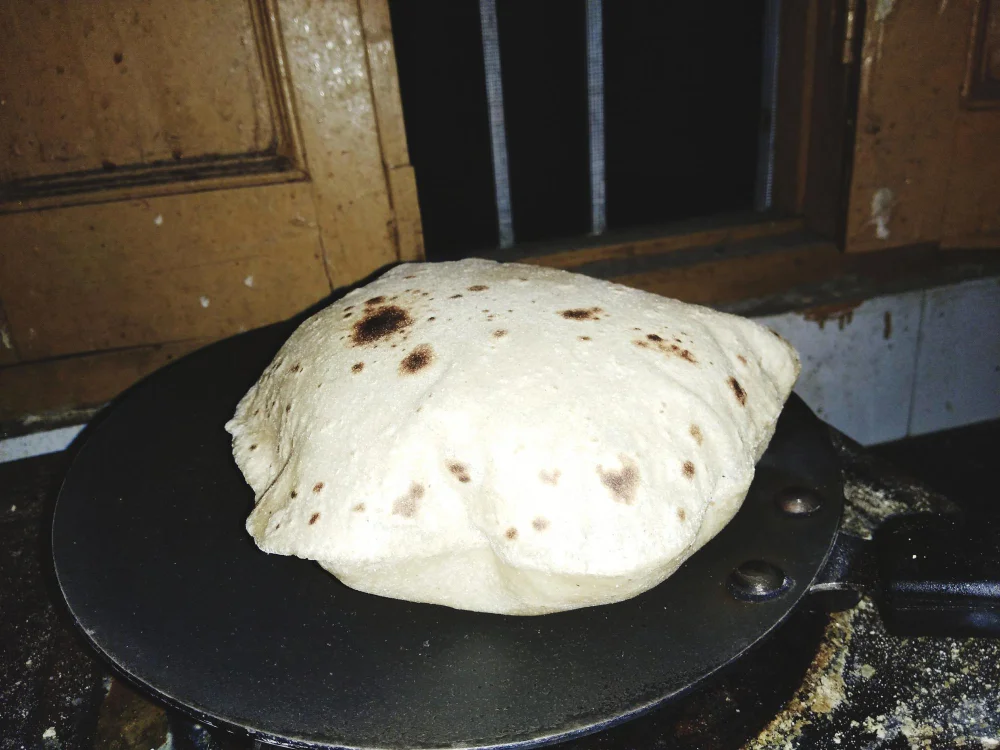
Imagine leaving a roti on the tawa too long. It turns brown, hard, and brittle. Something similar happens to your skin proteins when you eat too much sugar.
When you consume sugar, it enters your bloodstream and attaches to proteins through a process called glycation. This creates harmful compounds called Advanced Glycation End Products (AGEs). Your skin’s collagen and elastin, the proteins that keep it firm and elastic, become stiff and damaged when sugar molecules bind to them. AGEs crosslink with collagen and elastin, causing loss of elasticity and wrinkles.
Direct Effects on Your Skin
- Loss of Elasticity: Your skin loses its natural bounce. Cheeks lose plumpness. Your jawline softens. The firm, youthful appearance fades years before it should.
- Premature Wrinkles: Lines around your eyes during late-night study sessions stop disappearing by morning. Smile lines deepen permanently. Students in their early twenties now show aging signs that previously appeared only in people’s thirties.
- Dull Complexion: Glycation increases yellowish AGEs in your skin, turning your color more yellowish and darker. Your natural glow disappears. Friends ask if you’re feeling sick when you’re perfectly fine.
- Slower Healing: That acne scar from last month still hasn’t faded. Minor scratches take weeks to heal. Your skin’s natural repair system moves in slow motion.
How Processed Foods Trigger Skin Problems

- The Inflammation Connection
During glycation, reactive oxygen radicals are released, creating oxidative stress that significantly reduces glutathione, Vitamin C, and Vitamin E in your body. This triggers inflammation that shows up clearly on your skin.
Here’s what happens after eating chips or drinking a cold drink: Your blood sugar shoots up. Insulin is released. This hormonal surge triggers more sebum (oil) production. Inflammation kicks in, causing redness and creating perfect conditions for acne bacteria.
Research found that consumption of milk, sugary beverages, and fatty and sugary products appeared to be associated with current acne in adults. The inflammatory response worsens existing eczema and psoriasis, increases redness, and makes oily skin worse during Karachi’s humid summers or Lahore’s heat.
Common Processed Foods in Pakistan That Harm Your Skin
A recent study of nutrition students in Lahore revealed shocking patterns, 63% were either obese or underweight, average caloric intake was only 990 calories, and despite studying nutrition, many consumed junk food daily.
- Instant Noodles: Those 2-minute noodles contain massive refined carbs, sodium, and additives that spike blood sugar. Sodium causes water retention, making your face puffy by morning.
- Bakery Items: In Pakistan, biscuits are a common source of ultra-processed foods. That glucose biscuit with chai? Loaded with refined flour and sugar, zero fiber or nutrients.
- Carbonated Drinks: People with acne were more than twice as likely to report consuming at least five servings of high-sugar drinks daily. One can contains about 10 teaspoons of sugar.
- Fast Food: People with acne were eight times more likely to report consuming a complete meal of fatty and sugary products in the previous day.
- Mithai and Meethi Chai: Three cups of meethi chai add 6-9 teaspoons of sugar daily. Excessive mithai consumption significantly increases sugar intake.
- Street Food: Gol gappay, samosas, pakoras – the problem isn’t occasional treats. It’s a daily consumption with questionable oil quality.
Specific Skin Issues Caused by Poor Diet
Acne and Breakouts
Fatima from Faisalabad University noticed her skin erupted during exams. She blamed stress, but her diet told the story. Canteen samosas, instant coffee with sugar, late-night biscuits.
High-glycemic foods spike blood sugar, triggering increased insulin and IGF-1 levels. These stimulate oil glands to produce more sebum and speed up skin cell turnover. More oil plus more dead cells equals clogged pores and acne.
Premature Aging
At 24, Zainab noticed fine lines around her eyes that should appear in her thirties. Her skin had aged a decade in just a few years. Glycation stress increases AGE levels in blood and skin, decreasing dermal thickness and collagen content.
Note: Students’ information was collected through a survey. Any information provided in this content is used with permission.
Dark Spots and Uneven Skin Tone
Research shows that the skin of patients displays distinct dermal responses to glycation, including increased hyperpigmentation. As discussed in our guide to understanding skin types in Pakistan’s climate, Pakistani skin (Fitzpatrick Type III-V) responds intensely to inflammation by producing excess pigment.
When you get a pimple, inflammation triggers extra melanin production. After healing, a dark mark remains for months. Processed foods keep your body inflamed, meaning every minor injury leaves lasting marks.
Dark Circles and Puffiness
High sodium in processed foods causes water retention, showing dramatically in the delicate under-eye area. Poor nutrition affects sleep quality. Lack of vitamins makes dark circles more prominent. Dehydration makes thin under-eye skin appear darker.
Foods to Avoid for Better Skin
- High-Sugar Beverages: Sodas, packaged juices, energy drinks, and meethi chai cause rapid blood sugar spikes
- White Bread & Refined Carbs: Naan, white rice, pasta, maida products spike blood sugar like pure sugar
- Fried & Greasy Foods: Street vendor items using repeatedly heated oil, pakoras, samosas, and fast food
- Excessive Dairy: Milk contains hormones that may increase oil production
- Artificial Sweeteners: Can still trigger inflammatory responses
How to Protect Your Skin From Dietary Damage
Simple Dietary Changes
- Reduce Sugar Gradually: Start with one small change. Use one less spoon of sugar in chai. Next week, replace afternoon Pepsi with water. Small, sustainable changes work.
- Choose Whole Foods: Fresh daal instead of instant noodles. Home-cooked sabzi instead of burgers. Whole wheat roti instead of white bread.
- Stay Hydrated: Drink 8-10 glasses of plain water daily. Keep a water bottle with you. Set phone reminders if needed.
- Eat More Fruits & Vegetables: Add one serving of vegetables to each meal. Keep a cucumber, carrot sticks, or an apple in your bag.
Antioxidant Protection
Antioxidant-rich diets may moderate the impact of sugar on acne appearance. Antioxidants fight glycation and protect your skin cells.
- Foods Rich in Vitamin C & E: Kinnow, oranges, mosambi, bell peppers (shimla mirch), spinach, almonds. Vitamins like zinc, A, and E are important for healthy skin and help stop acne.
- Natural Sources in Pakistan: Guava has more Vitamin C than oranges. Tomatoes provide lycopene. Green chilies offer Vitamin C. Palak and methi deliver multiple antioxidants. Shop at your sabzi mandi instead of expensive supermarkets.
- Supplementation: The glycation process significantly reduces glutathione in your body. Glutathione is a powerful antioxidant that neutralizes free radicals from glycation. Supporting your body’s antioxidant defenses through supplementation can help counteract occasional dietary indulgences.
Practical Tips for Students
Budget-Friendly Alternatives:
- Roasted chana instead of chips (Rs. 20 vs Rs. 50)
- Seasonal fruit instead of juice (Rs. 20-40 vs Rs. 80-150)
- Boiled eggs instead of biscuits (Rs. 20 vs Rs. 50)
- Homemade sandwiches instead of burgers (saves Rs. 200+)
Quick Hostel Snacks: Prepare snack boxes the night before with cucumber, carrots, nuts, and fruit. Keep it ready in your fridge.
University Cafeteria Tips: Choose grilled over fried. Ask for less oil. Skip soda, choose lassi or water. Share meals instead of individual unhealthy portions.
Meal Prep for Hostel: Dedicate 2-3 hours on Sunday. Cook large batches of daal and vegetables. Boil a dozen eggs. Cook brown rice. Rs. 500-700 of ingredients creates a week’s meals versus Rs. 200-300 daily on canteen food.
Timeline: When Will You See Skin Improvements
First 2 Weeks: Less morning puffiness. Oil production starts normalizing. Dark circles may lighten slightly. Cravings might increase – push through.
4-6 Weeks: Friends start noticing. Active breakouts are reduced. Skin tone evens out. Dull look fades. Natural glow returns. Acne scars heal faster. You stop obsessively checking mirrors.
3 Months: Substantial decreases in facial AGE levels occur with consistent intervention. Fine lines look less pronounced. Skin elasticity improves. Dark spots fade considerably. Overall complexion looks brighter, clearer, healthier.
Realistic Expectations: Genetics matter. Saira sees results in 3 weeks, Hina needs 8. The current skin condition affects speed. Focus on progress, not perfection.
Common Questions
Does cutting out sugar completely clear skin?
Complete elimination isn’t sustainable, especially with Pakistani mithai and meethi chai culture. The goal is a significant reduction. One guava provides natural sweetness plus nutrients. A biscuit packet provides empty calories and skin damage. Having small mithai at a wedding won’t destroy your skin. Eating an entire box daily will.
Can I reverse glycation damage?
Anti-glycation ingredients with antioxidant activities can accelerate AGE degradation. You can’t reverse all the damage, but you can slow the process and improve the appearance significantly. Better nutrition stops new AGE formation. Antioxidants help break down existing AGEs. A 22-year-old sees more dramatic improvement than a 40-year-old because less damage has accumulated.
How much sugar is safe for skin health?
Focus on stable blood sugar, not counting grams. Choose complex carbs over simple sugars. Pair sugary foods with protein or fiber. Avoid large amounts of added sugar at once. Instead of a 500ml soda (50+ grams), eat an apple with almonds (minimal spike).
Will giving up processed foods help with acne scars?
Better nutrition helps skin heal faster. Reduced inflammation lets repair mechanisms work optimally. Vitamin C aids collagen production, Vitamin E repairs tissue, and zinc heals skin. Combine dietary improvements with skincare for the best results. Fix your diet first; otherwise, new scars keep forming.
What should I eat instead of processed snacks?
- Instead of chips: Roasted chana (Rs. 20-30), peanuts (Rs. 30-40)
- Instead of biscuits: Fresh fruit (banana Rs. 10-15), dates
- Instead of noodles: Quick upma, poha, daal chawal
- Instead of juice: Actual fruit, water with lemon
- Instead of canteen samosas: Boiled eggs, homemade sandwiches
Your Skin Reflects Your Choices
Rabia started small three months ago. One less spoon of sugar in chai. Water instead of Pepsi or Coca-Cola. An apple instead of biscuits. Home-cooked daal twice weekly. Nothing extreme, nothing perfect, just consistent small improvements.
Three months later, her transformation shocked friends. Constant breakouts stopped. Dark circles lightened. Dull complexion became a natural glow. Her confidence returned. She stopped avoiding cameras.
Your diet directly impacts your skin. Sugar and processed foods cause glycation, inflammation, and hormonal disruption, triggering acne, premature aging, dark spots, and problems that affect your confidence.
But here’s the truth: You control what you eat. Every meal is a new choice. Making gradual, sustainable changes will transform your skin from the inside out.
You don’t need expensive treatments or fancy products. You need consistent, better food choices maintained over time.
Start today with one small change. Replace one processed item with a whole food alternative. Just one. Tomorrow, maintain that change. Next week, add one more improvement.
Your future skin will thank you for the effort you make now. What will you choose to eat today?