If you’re pregnant or breastfeeding and wondering whether glutathione supplements are safe, you’re not alone. This is one of the most common questions expecting and nursing mothers ask their healthcare providers. The topic of supplement safety during these critical periods requires careful consideration, as what you consume directly affects your baby’s health and development.
This comprehensive guide examines the medical research, expert recommendations, and regulatory warnings about glutathione or antioxidant supplement use during pregnancy and breastfeeding. We’ll explore what science says and why healthcare professionals recommend caution during these important phases of motherhood.
Medical Disclaimer: This article is for educational purposes only and does not constitute medical advice. Always consult your healthcare provider before taking any supplements during pregnancy or breastfeeding.
Publication Date: 01-29-2026
Last Updated: 01-29-2026
What Happens to Your Skin During Pregnancy and Breastfeeding?

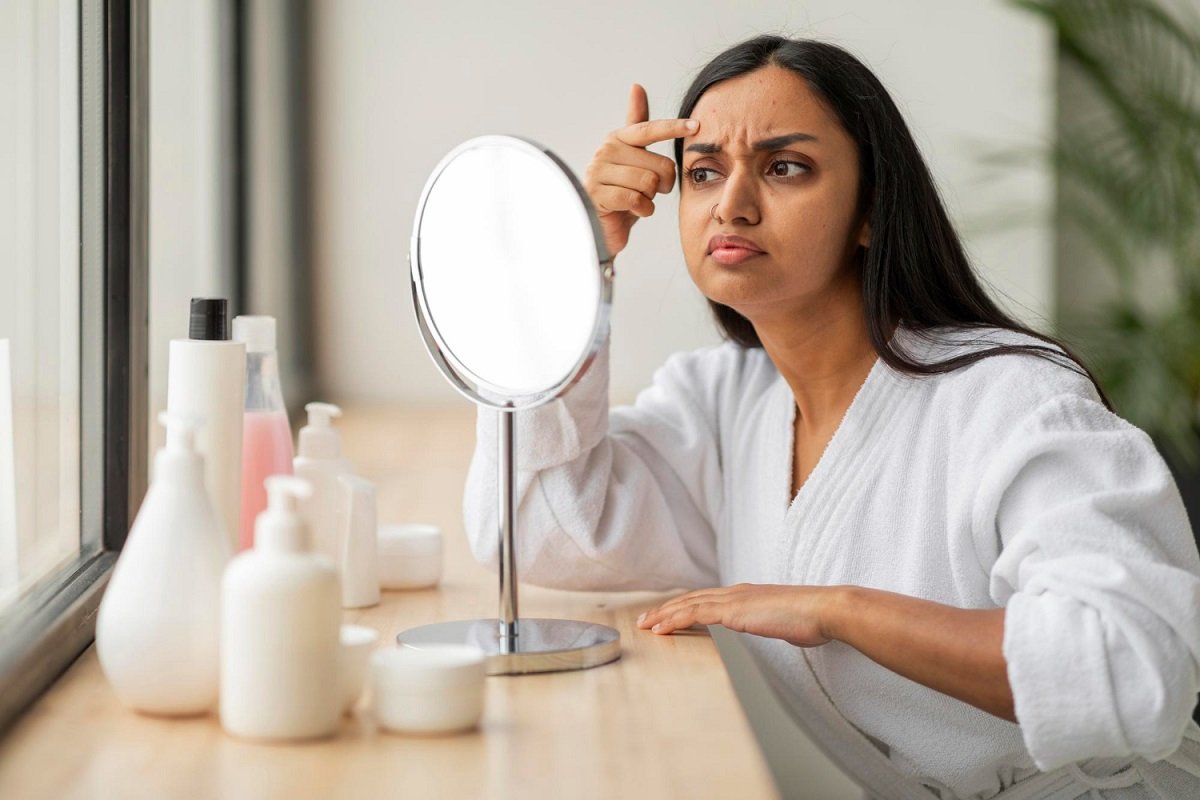
During pregnancy and breastfeeding, many women experience skin changes like melasma (dark patches on the face), hyperpigmentation, and uneven skin tone. These changes naturally lead women to ask whether these whitening supplements can help address these concerns safely.
The critical distinction to understand is the difference between natural glutathione production in your body and taking high-dose supplemental forms. Your body carefully regulates internal glutathione levels, but introducing concentrated external sources through pills or injections may behave differently, especially during pregnancy, when your body undergoes dramatic physiological changes.
What Research Shows
The most important thing to understand about antioxidant supplementation during pregnancy is this: there are no large-scale clinical trials proving it is safe for pregnant women or developing babies.
A significant study conducted at Government Medical College in Chennai, published in the Journal of Pharmaceutical Sciences and Research (Read complete Study PDF), examined this natural substance levels in pregnant women. The research team studied 50 pregnant women in their second trimester and compared their glutathione levels to those of 50 non-pregnant women of similar age and health status.
Key findings from the study:
Glutathione levels in the second trimester of pregnancy were significantly lower than in non-pregnant women (p <0.0001, indicating very strong statistical significance).
The researchers concluded that oxidative stress during pregnancy depletes the body’s primary antioxidant defenses because there is increased demand to support both the mother and the developing baby.
Interestingly, despite finding lower levels, the study reinforced “the necessity for supplementation with dietary antioxidants like glutathione, vitamin C, and vitamin E” but did not specifically recommend high-dose supplemental pills.
What does this mean? Pregnancy naturally increases oxidative stress, which may lower maternal antioxidant levels as resources are redirected to fetal development. However, reduced levels do not automatically justify supplementation, as these changes may reflect normal, protective physiological regulation during pregnancy.
Expert Medical Recommendations
Healthcare professionals, including gynecologists, obstetricians, and maternal-fetal specialists, recommend avoiding high-dose antioxidant supplements during pregnancy unless prescribed for a medical condition. This caution is due to insufficient data: there are no pregnancy-specific clinical trials, no established safe dosage, and no long-term studies tracking infant outcomes. Ethical limitations prevent controlled studies, leaving gaps in knowledge about fetal development, dosage safety, and long-term effects.
Because every pregnancy is unique, potential risks may vary between individuals. While these theoretical risks are not proven, the absence of a clear benefit supports the precautionary principle: it’s safer to address skin concerns after pregnancy and breastfeeding rather than expose the developing baby to unnecessary supplementation.
Regulatory Authority Warnings
Several international regulatory authorities have issued explicit warnings about the use of antioxidants during pregnancy:
Ghana Food and Drugs Authority (FDA): Issued a public warning stating that glutathione supplements, particularly for skin whitening purposes, can cause congenital disabilities (birth defects). The Ghana FDA specifically cautioned pregnant women against using these products.
Philippines Food and Drug Administration: Released similar warnings about glutathione abuse for skin lightening, particularly highlighting risks for pregnant and breastfeeding women.
Pakistan Drug Regulatory Authority (DRAP): All DRAP-approved glutathione products sold in Pakistan carry the mandatory warning: “Consult a healthcare professional before use if you are pregnant or breastfeeding.” This warning exists precisely because safety during pregnancy has not been established.
These warnings don’t necessarily mean glutathione definitely causes birth defects, but they reflect the lack of safety data and the precautionary approach regulatory bodies must take to protect public health.
Glutathione During Breastfeeding

Breastfeeding presents different considerations than pregnancy. A groundbreaking study published in the Journal of Tropical Pediatrics (Oxford Academic) in April 2000 examined glutathione content in human breast milk from healthy lactating mothers.
Key findings from the Oxford study:
- The total glutathione content in breast milk averaged 192.2 ± 148.3 μmol/L.
- Early breast milk (up to 4 weeks postpartum) contained significantly higher glutathione levels: 252.5 ± 173.9 μmol/L.
- Mature breast milk (after one month) showed lower levels: 163.9 ± 128.0 μmol/L.
The researchers concluded that glutathione is naturally present in breast milk and serves as “an important source of dietary GSH” for newborns, supporting their developing immune systems and providing antioxidant protection.
The critical question is: what happens when a nursing mother takes high-dose glutathione supplements? Do these supplements increase glutathione concentration in breast milk? If so, is that increase beneficial, neutral, or potentially harmful to the infant?
Answer: Unfortunately, we don’t have clear answers to these questions. No studies have measured breast milk glutathione levels in mothers taking high-dose supplements (500-1000mg daily) compared to those who don’t. We don’t know the transfer rate, the metabolic effects on the infant, or the long-term consequences.
Medical Recommendations for Nursing Mothers
The medical consensus for breastfeeding mothers closely mirrors the pregnancy recommendation: it’s best to wait until you’ve finished breastfeeding before starting supplements.
Here’s the reasoning:
- Unknown transfer rates: We don’t know how much supplemental glutathione passes into breast milk or how the baby’s immature system metabolizes it.
- No proven benefits for the baby: While natural glutathione in breast milk supports infant health, there’s no evidence that higher concentrations from maternal supplementation provide additional benefits.
- Potential risks unclear: Without research, we cannot rule out potential negative effects, even if they seem unlikely.
Why Healthcare Professionals Recommend Caution
What does “insufficient data” actually mean?
“Insufficient data” means there are no pregnancy-specific clinical trials, no established safe dosage, and no long-term safety studies tracking infant outcomes. While this does not prove harm, it creates medical uncertainty, which is why healthcare providers recommend a cautious, avoid-unless-necessary approach during pregnancy and breastfeeding.
Potential Concerns
While we lack definitive evidence of harm, several theoretical concerns exist:
Congenital disability warnings: The Ghana FDA’s warning about potential birth defects stems from reports and concerns raised by healthcare providers, even without conclusive research. These warnings reflect a pattern of suspected associations that regulators felt warranted public caution.
Unknown effects on fetal development: Pregnancy involves incredibly complex cellular differentiation, organ formation, and developmental processes. Introducing high doses of any substance that affects cellular function raises questions about potential interference with these delicate processes.
Hormonal interactions: Pregnancy dramatically alters hormone levels. Glutathione affects various metabolic and hormonal pathways. How these interactions play out during pregnancy remains unclear.
Placental transfer: We know substances pass through the placenta to the baby, but we don’t know how much supplemental glutathione crosses this barrier or what concentrations reach the fetus.
Oxidative stress balance: Pregnancy requires a carefully balanced oxidative environment. Too little oxidative stress can be problematic, just as too much can. Glutathione’s powerful antioxidant effects might theoretically disrupt this balance, though this remains speculative.
These concerns are theoretical, not proven. However, in medical decision-making during pregnancy, theoretical risks often justify a cautious approach when no compelling benefit exists.
Safe Alternatives for Skin Health During Pregnancy
Just because glutathione supplementation isn’t recommended during pregnancy doesn’t mean you have no options for maintaining healthy, glowing skin. Several safe and effective alternatives exist, including dietary strategies that support natural antioxidant production. You can explore these options in our detailed guide: Top 15 Natural Sources of Glutathione.
Frequently Asked Questions
Can I take glutathione if I’m trying to conceive?
If you’re actively trying to get pregnant, the conservative approach is to stop taking it once you begin trying. Here’s why:
- You might become pregnant before you realize it, potentially exposing a developing embryo during critical early development stages.
- Early pregnancy (first 4-8 weeks) involves crucial neural tube formation and organ development. This happens before many women know they’re pregnant.
- The precautionary principle suggests avoiding unnecessary supplements during the preconception period.
However, some healthcare providers take a more lenient view, suggesting you can continue glutathione until you receive a positive pregnancy test, then stop immediately. Discuss your specific situation with your gynecologist.
What if I had been taking glutathione before I knew I was pregnant?
This is a common situation that causes significant anxiety. Here’s what you need to know:
Don’t panic. Many women take various supplements before discovering they’re pregnant. The risk from short-term exposure is likely very low, even though we lack definitive data.
Stop immediately. As soon as you receive a positive pregnancy test, discontinue glutathione supplementation.
Inform your doctor. At your first prenatal appointment, tell your gynecologist what supplements you were taking and for how long. They can note this in your medical records and may recommend additional monitoring if appropriate.
Focus on prenatal care. Start taking proper prenatal vitamins as recommended by your doctor. These contain nutrients proven to support a healthy pregnancy (folic acid, iron, calcium, vitamin D).
Most experts believe that glutathione exposure in the first few weeks of pregnancy (before you know you’re pregnant) is unlikely to cause problems, but informing your healthcare provider ensures they have complete information for monitoring your pregnancy.
How long after delivery can I start glutathione?
The timeline depends on whether you’re breastfeeding:
If not breastfeeding:
- Technically safe to start after postpartum recovery (6 weeks)
- Wait for your postpartum checkup and doctor clearance
- Ensure your body has recovered from delivery
- Consider starting with lower doses initially
If breastfeeding:
- Most conservative approach: Wait until complete weaning
- More lenient approach: After baby is 6+ months and eating solid foods (discuss with pediatrician)
- Individual decision based on consultation with healthcare providers
Health factors to consider:
- Any pregnancy complications (gestational diabetes, preeclampsia) may require longer waiting periods
- Postpartum depression or anxiety should be stabilized first
- Overall recovery and health status
- Current medications that might interact
Always consult your healthcare provider before starting any supplement after delivery, even if you’re not breastfeeding.
Does it affect fertility or conception?
There is no evidence that antioxidant supplementation reduces fertility in men or women. Some research suggests it may support egg and sperm quality by reducing oxidative stress. However, because early pregnancy can occur before confirmation, most experts advise stopping non-essential supplements when trying to conceive. For fertility support, evidence-based options like folic acid, vitamin D, omega-3s, and CoQ10 are preferred.
Can glutathione reduce milk supply while breastfeeding?
There is no evidence that glutathione supplementation affects breast milk production or supply. The concerns about antioxidant supplementation relate to:
- Unknown transfer rates to breast milk
- Potential effects on the nursing infant
- Lack of safety research
Milk supply concerns during breastfeeding typically relate to:
- Hormonal medications (certain birth control types)
- Insufficient breastfeeding frequency
- Medical conditions affecting prolactin
- Dehydration and inadequate nutrition
- High-dose sage, peppermint, or parsley consumption
If you’re concerned about milk supply, focus on:
- Frequent nursing or pumping (8-12 times per 24 hours for newborns)
- Adequate hydration (drink water before/during each feeding)
- Sufficient caloric intake (500 extra calories daily)
- Stress management and adequate rest
- Consult a lactation consultant if supply concerns persist
The question isn’t whether glutathione reduces milk supply (it probably doesn’t), but whether it’s safe for your nursing baby. Most healthcare providers recommend waiting until weaning for this reason.
Conclusion
The question of glutathione safety during pregnancy and breastfeeding doesn’t have a simple yes or no answer because we lack the comprehensive research needed to make definitive statements. However, the absence of safety data itself provides an answer: without proof of safety, the responsible choice is to avoid supplementation during these critical periods.
Your skin concerns during pregnancy are valid and understandable. Melasma, hyperpigmentation, and other pregnancy-related changes can be distressing, especially in a culture that places a high value on fair skin. However, these cosmetic concerns must be weighed against the unknown risks to your developing baby.
The good news is that you have safe options available now through diet, lifestyle, sun protection, and pregnancy-safe skincare. Most pregnancy-related skin changes resolve naturally after delivery as hormones normalize. For persistent concerns, highly effective treatments become available after you finish breastfeeding.