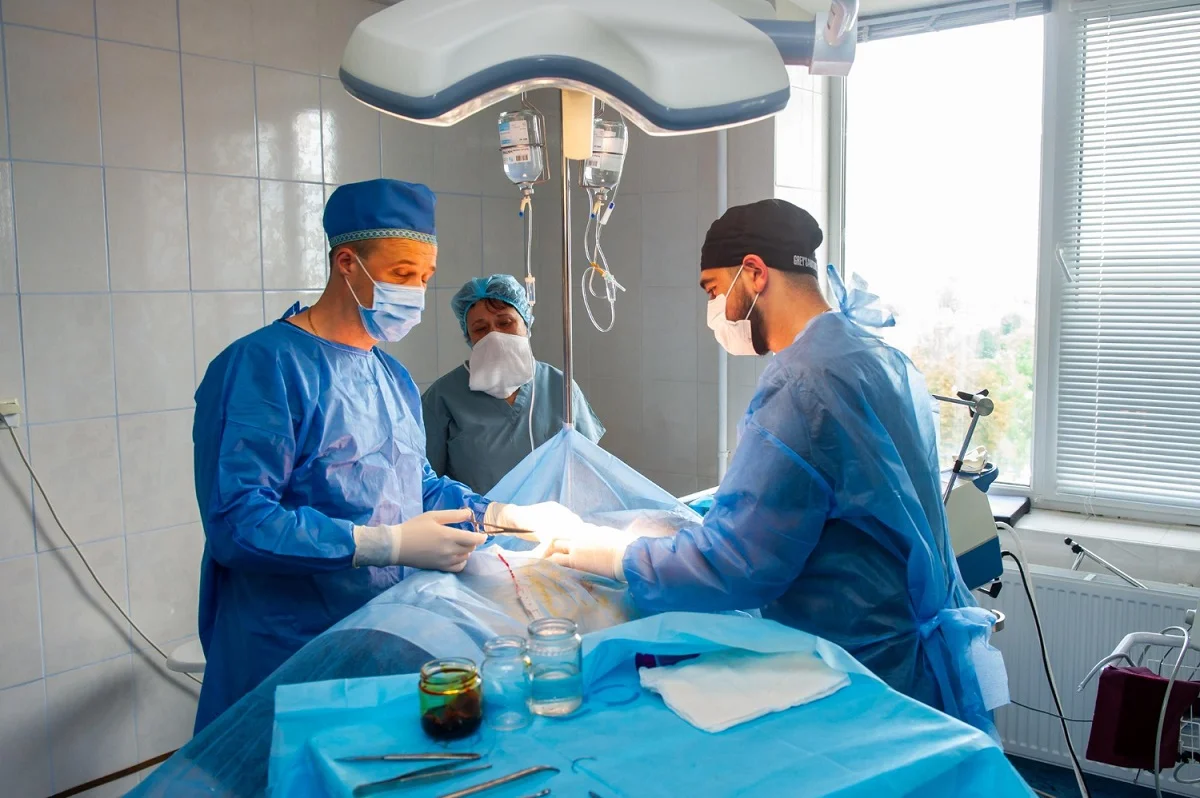
Aflac typically pays $50 to $2,000 for outpatient surgery, depending on your specific policy type and the procedure performed. The exact amount varies based on the surgery’s complexity and where it’s performed.
Benefit amounts come from Aflac’s Schedule of Operations tables listed in policy certificates and state-filed benefit schedules, and they vary by policy version, state, and optional riders. Example benefit ranges are drawn from sample plan schedules and published benefit outlines (not guaranteed amounts).
Benefit structures are based on publicly available Aflac policy samples and insurer plan brochures.
How Much Does Aflac Pay For Outpatient Surgery: Quick Answer
| Surgery Type | Typical Aflac Outpatient Surgery Benefit |
|---|---|
| Minor (biopsy, endoscopy) | $50 – $350 |
| Moderate (hernia, cataract) | $400 – $600 |
| Major (knee surgery, gallbladder) | $600 – $1,000 |
| Complex procedures | $1,000 – $2,000 |
How Aflac Outpatient Surgery Coverage Works
Aflac supplemental insurance pays cash benefits directly to you when you have covered outpatient surgery. This money helps cover expenses your primary health insurance doesn’t pay, like deductibles, copayments, and lost wages.
3 Main Aflac Policies That Cover Surgery
- Accident Insurance: Pays for surgeries resulting from accidents. The Aflac Accident policy typically pays $125 for outpatient procedures performed within 90 days of an accident.
- Hospital Indemnity: Covers surgeries performed in hospitals or ambulatory surgical centers, regardless of cause.
- Sickness Indemnity: Covers surgeries related to illness or medical conditions.
What Determines Your Aflac Payment Amount?
Surgery Location Matters
- Hospital/Ambulatory Surgical Center: Higher benefit amounts ($200-$2,000)
- Doctor’s Office: Lower benefits or not covered (policy-dependent)
The Schedule of Operations
Aflac uses a predefined Schedule of Operations that lists specific procedures and their corresponding benefit amounts. Your payment is based on this schedule, not your actual medical bills.
Important Payment Rules
- One Benefit Per 24 Hours: Even if you have multiple procedures in one day, many Aflac policies limit surgery benefits to one per 24-hour period.
- Highest Eligible Benefit: When multiple benefits apply, Aflac pays the highest amount you qualify for.
- Policy-Specific Amounts: Your exact benefit depends on which Aflac policy you purchased and its specific terms.
Common Outpatient Surgeries and Typical Aflac Payments
| Procedure | Approximate Benefit |
|---|---|
| Hernia Repair | $500 – $600 |
| Cataract Surgery | $400 – $500 |
| Arthroscopic Knee Surgery | $600 – $800 |
| Gallbladder Removal | $550 – $700 |
| Tonsillectomy | $450 – $550 |
| Carpal Tunnel Surgery | $400 – $500 |
| Endoscopy | $300 – $400 |
| Skin Biopsy | $150 – $300 |
Note: These are illustrative amounts. Your actual benefit depends on your specific policy.
What They Don’t Cover
Exclusions
- Cosmetic or elective surgeries (unless medically necessary)
- Pre-existing conditions during waiting periods (typically 12 months)
- Procedures not listed in the Schedule of Operations
- Surgeries performed in non-approved facilities
Waiting Periods
- Sickness Coverage: 30-day waiting period after policy starts
- Pre-existing Conditions: 12-month exclusion period
- Accident Coverage: No waiting period (must occur within policy timeframes)
How to File a Claim
Required Documents
- Completed Aflac claim form
- Itemized surgery bill
- Medical records or operative report
- Doctor’s statement confirming the procedure
Processing Timeline
- Claim Review: 3-7 business days
- Payment: Deposited within days of approval
- Method: Direct payment to you (not the hospital)
Maximizing Your Aflac Surgery Benefits
Before Surgery: Review your policy’s Schedule of Operations to confirm coverage and expected benefit amount.
Verify the Facility: Ensure your surgery is performed at a covered location (hospital or ambulatory surgical center typically pays more).
Understand the Timing: File your claim within the required timeframe (usually 90 days to 1 year from surgery date).
Coordinate Benefits: Use Aflac payments to cover expenses your primary insurance doesn’t pay, like deductibles and copayments.
Check for Additional Benefits: Some policies include separate benefits for anesthesia, facility fees, or follow-up care.
Real Example: How Aflac Paid for Knee Surgery
Patient: Sarah, 45, with an Aflac Hospital Indemnity policy
Procedure: Arthroscopic knee surgery (outpatient)
Total Medical Bill: $12,500
Primary Insurance Paid: $9,000
Patient’s Out-of-Pocket: $3,500 (deductible + coinsurance)
Benefits Received:
- Outpatient surgery benefit: $700
- Anesthesia benefit: $150
- Total Aflac payment: $850
Actual Out-of-Pocket: $2,650 (after Aflac)
Aflac helped Sarah reduce her financial burden by $850, which she used to cover part of her deductible.
Frequently Asked Questions
Q1: Does Aflac pay for all outpatient surgeries?
No. They only cover surgeries listed in your policy’s Schedule of Operations and exclude cosmetic procedures, elective surgeries, and some pre-existing conditions.
Q2: Can I use Aflac with my regular health insurance?
Yes. Aflac is supplemental insurance that works alongside your primary health insurance. You receive benefits from both.
Q3: How quickly does Aflac pay after surgery?
Once you submit your claim with all required documentation, they typically process it within 3-7 days and pay shortly after approval.
Q4: What if my surgery isn’t listed in the Schedule of Operations?
Aflac may pay based on the most similar procedure listed, or the surgery may not be covered. Check with your agent before scheduling surgery.
Q5: Is there a limit to how many surgeries Aflac covers?
There’s typically no lifetime maximum, but some policies have annual benefit limits. Review your specific policy for details.
Q6: Do they cover anesthesia separately?
Some policies include separate anesthesia benefits. This varies by policy type, so check your specific coverage.
Q7: Will Aflac pay if I have surgery in a doctor’s office?
Most policies require surgery to be performed in a hospital or ambulatory surgical center for full benefits. Doctor’s office procedures may receive reduced benefits or no coverage.
Final Thoughts
Aflac’s outpatient surgery benefits range from $50 to $2,000, providing financial relief when you face unexpected medical procedures. The exact amount depends on your specific policy, the type of surgery, and where it’s performed.
Note: This guide is informational and not a substitute for your policy certificate.
Don’t forget to read our latest blogs: