
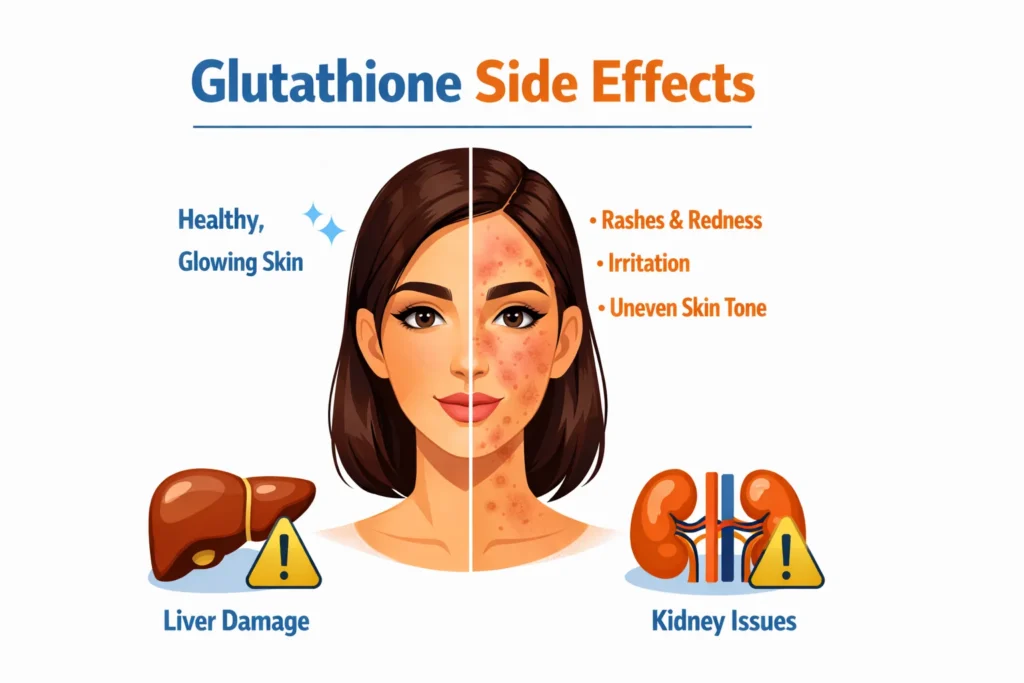
Glutathione has become increasingly popular in skincare and supplement markets, marketed as a powerful antioxidant that reduces dark spots, brightens skin tone, and slows aging. Yet despite its widespread use, most people don’t understand the potential side effects. If you’re considering this supplement, here’s what the latest research actually shows about safety risks.
Possible Glutathione Side Effects?
Glutathione is a naturally occurring tripeptide composed of three amino acids: cysteine, glutamic acid, and glycine. Your body produces it naturally, and it works as a cellular antioxidant. For more information, check this guide.
But here’s the critical part: supplemental forms bypass your body’s natural regulatory systems. When you take glutathione orally, inject it intravenously, or apply it topically at therapeutic doses, you’re introducing concentrations far above what your body typically manages. This is where adverse effects emerge.
Mild and Common Side Effects from Oral Glutathione
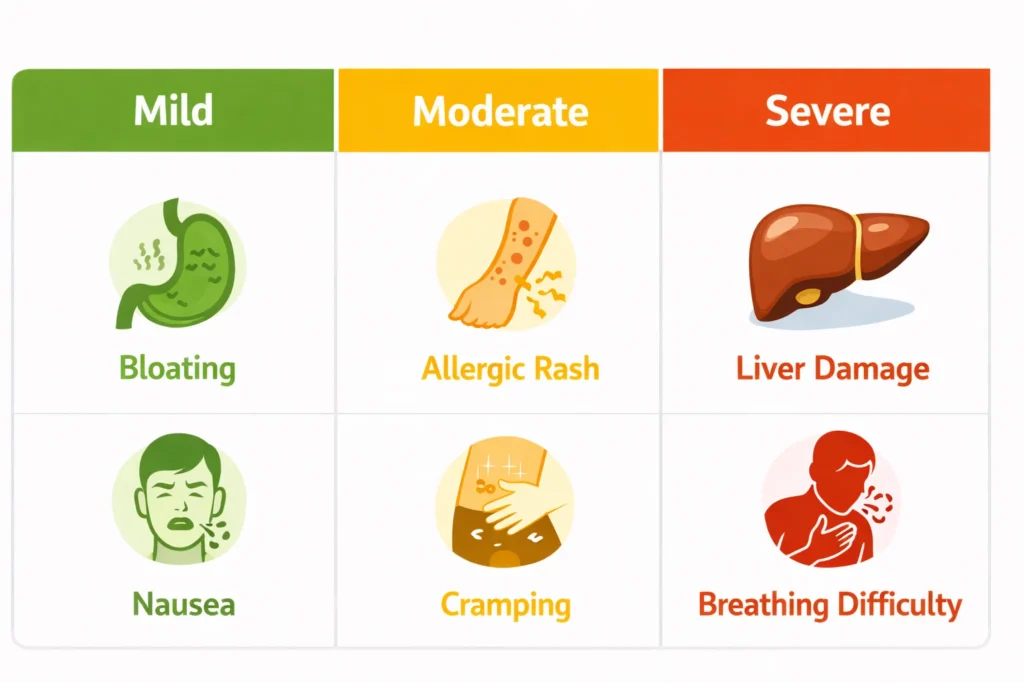
Most people who take oral supplements experience minimal issues. The most frequently reported side effects are gastrointestinal:
- Bloating and abdominal cramping
- Loose stools or diarrhea
- Nausea, especially on an empty stomach
- Mild headaches or dizziness
In one study, participants also reported flushing and weight gain. These effects tend to resolve as your body adjusts or when you reduce your dose. Taking supplements with food often helps. These minor symptoms occur because your digestive system needs time to process the glutathione molecule.
Safe oral dosing appears to be 250 to 500 mg daily for up to two months. Beyond that timeframe, data becomes sparse. WebMD notes there’s insufficient long-term safety information for extended use. Our Glutamine+ tablets are carefully created by keeping all this important information. Always consult with your skin care specialists and follow the provided guide to keep yourself safe from these conditions.
Serious Risks: Why IV Glutathione Concerns Dermatologists
IV injection presents an entirely different safety profile. A controlled clinical trial published in 2025 reported that among 16 patients receiving 1,200 mg intravenously twice weekly for six weeks, all experienced adverse effects. Thirty-two percent developed abnormal liver function tests. One patient suffered anaphylactic shock.
The International Journal of Dermatology’s systematic review concluded in 2025 that “IV glutathione is contraindicated due to lack of efficacy and side effects.” This isn’t caution, it’s a definitive recommendation against use. Why? Because the risks don’t justify the results. Only 37.5 percent of IV recipients saw temporary skin lightening that faded after treatment stopped.
More alarmingly, a 2025 case report documented a patient who developed systemic inflammatory response syndrome (SIRS) after receiving high-dose unregulated IV glutathione. She presented with fever exceeding 41°C, extremely elevated inflammatory markers, acute liver injury, and clotting abnormalities. She recovered with supportive care, but the incident revealed how injectable forms can trigger life-threatening inflammation.
The FDA issued a safety alert in 2019 after learning that some compounders were using dietary-supplement-grade glutathione powder for sterile injections. This inappropriate ingredient carried endotoxin contamination, which triggered severe systemic reactions. The Philippines FDA has similarly warned against cosmetic IV use.
Who Should Absolutely Avoid Glutathione
Certain populations face heightened risk and should not use supplemental glutathione without explicit medical supervision:
- Pregnancy and breastfeeding: Insufficient safety data exist. Nutrients pass to the developing fetus and nursing infant, and effects are unknown.
- Liver or kidney disease: These organs metabolize and filter glutathione. Supplementation can overwhelm compromised function. High doses may trigger hepatotoxicity (liver damage) or worsen renal function.
- Asthma: Inhaled forms can trigger bronchospasm and severe breathing difficulty.
- History of severe allergies: Anaphylactic reactions, while rare, have occurred with injectable forms.
- Cancer patients: Glutathione’s antioxidant properties might interfere with chemotherapy effectiveness. Never supplement without an oncologist’s approval.
Critical Warning Signs: When to Seek Emergency Care
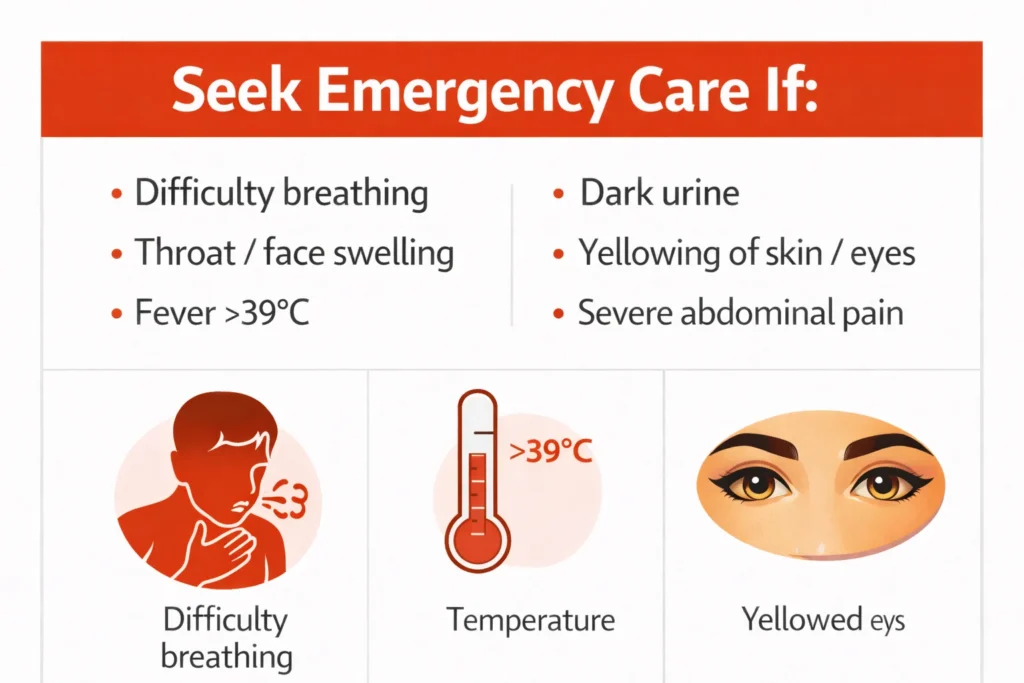
Stop treatment immediately and seek emergency medical attention if you experience:
- Difficulty breathing or throat swelling
- Fever above 39°C (102°F)
- Yellowing of skin or eyes (jaundice)
- Dark or cola-colored urine
- Severe abdominal pain
- Fainting or severe dizziness
- Widespread rash or skin peeling
These symptoms may signal liver injury, kidney stress, allergic reaction, or systemic inflammation, all documented adverse outcomes from glutathione use.
The Bottom Line
If you’re interested in glutathione for skin health, the safest approach is topical application at a 2 percent concentration. Clinical trials support modest benefits for hyperpigmentation with minimal adverse effects. Oral supplements come next, at modest doses and short durations. Injectable glutathione offers the most risk with the least proven benefit.
Most importantly, understand that results reverse when you stop. This isn’t a permanent fix; it requires ongoing treatment. Choose pharmaceutical-grade products from reputable sources, not unregulated supplements. And if you have any preexisting liver, kidney, or respiratory conditions, consult your doctor before starting any glutathione regimen.
Q: Is topical glutathione safer than oral?
Yes. Topical forms work locally without systemic absorption, minimizing side effects. Oral supplements enter your bloodstream and can stress liver/kidney function.
Q: Can glutathione permanently lighten skin?
No. Results are temporary and reverse when you stop treatment. You’ll need ongoing supplementation to maintain effects, if they occur at all.
Q: What dose is safe?
Oral: up to 500 mg daily for up to 2 months maximum (based on available research). Doses beyond this haven’t been studied long-term.
Q: Why do dermatologists warn against IV glutathione?
Because 100% of participants in clinical trials experienced adverse effects, 32% developed liver dysfunction, and the results were temporary and modest.