
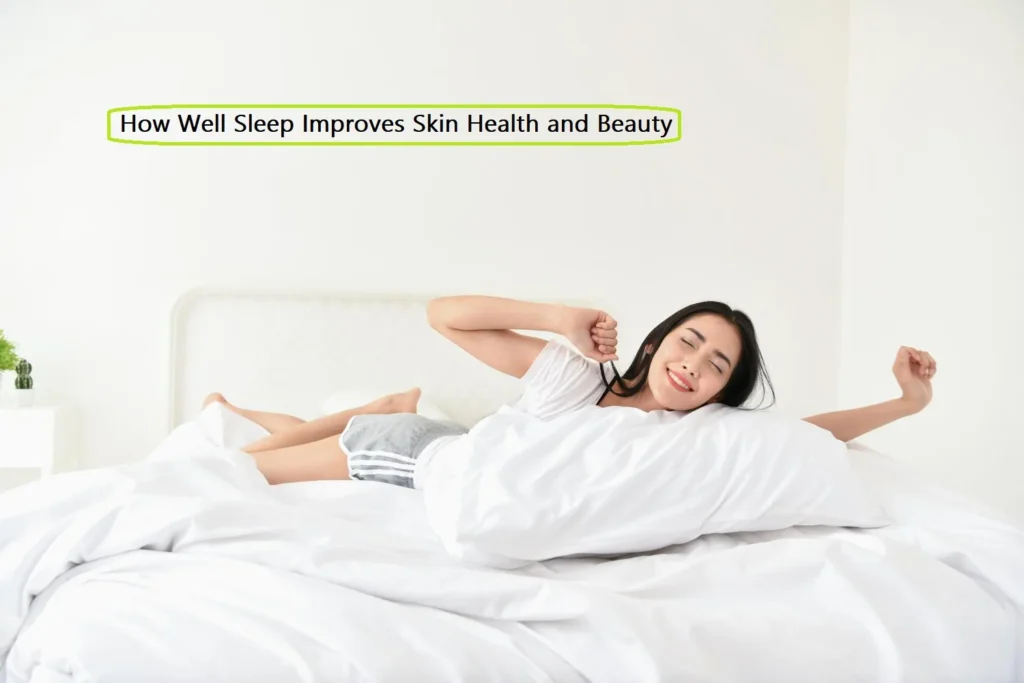
Discover the science behind beauty sleep: How quality rest transforms your skin, reduces aging signs, and enhances your natural beauty.
Have you ever noticed that your skin looks clearer and more radiant after a good night’s sleep? This is not just a coincidence. Sleep and skin health are deeply connected, and understanding this relationship can transform your beauty and skincare routine. Let’s explore how sleep improves your skin, why you look younger with more rest, and the science behind the popular concept of beauty sleep.
Does Good Sleep Improve Skin?
Yes, good sleep significantly improves skin quality and appearance. When you sleep, your body enters a restorative state where multiple skin-beneficial processes occur simultaneously. During sleep, your skin receives increased blood flow, which delivers essential nutrients and oxygen to skin cells. This process helps repair damage from sun exposure, pollution, and daily stressors.
Quality sleep also regulates cortisol levels, your body’s primary stress hormone. High cortisol increases sebum production, leading to acne and oily skin. When you get adequate rest, cortisol levels decrease, helping your skin maintain a healthy balance and reducing breakouts.
The Sleep and Skin Connection
Research shows that sleep deprivation directly impacts skin health. When you do not get enough sleep, your skin becomes dehydrated, loses elasticity, and shows visible signs of aging. Sleep deficiency also impairs your skin barrier function, making it more susceptible to irritation and infections.
During sleep, your skin produces new collagen and elastin, the proteins responsible for maintaining skin firmness and youthful appearance. This is why sleep is often called a natural anti-aging treatment.
Key Skin Benefits of Quality Sleep
Here are the main ways quality sleep improves your skin:
- Reduced inflammation and redness
- Decreased puffiness and dark circles under eyes
- Improved skin hydration and moisture retention
- Enhanced skin cell regeneration and repair
- Clearer complexion with fewer breakouts
Do You Look Younger If You Get More Sleep?
Absolutely. Getting more sleep directly impacts how young and vibrant you look. This is not merely cosmetic, but rooted in solid biology. When you consistently get 7 to 9 hours of sleep per night, your skin undergoes significant rejuvenation that makes you appear visibly younger.
Studies have shown that people who get adequate sleep have fewer visible wrinkles, better skin texture, and improved overall skin appearance compared to those who are sleep deprived. The difference can be noticeable within just a few days of improving your sleep habits.
Anti-Aging Benefits of Sleep
Sleep is a natural anti-aging treatment. During deep sleep, your body increases growth hormone production, which stimulates collagen production and cell turnover. This increased cell renewal process helps fade age spots, smooth fine lines, and restore skin radiance that often fades with age.
Additionally, sleep reduces the breakdown of hyaluronic acid and collagen in your skin. These are essential molecules that keep your skin plump, firm, and youthful. When you sleep, these molecules are better preserved, while sleep deprivation accelerates their degradation.
Sleep Deprivation and Aging Signs
Chronic sleep deprivation accelerates visible aging. People who sleep poorly tend to have more pronounced wrinkles, sagging skin, uneven skin tone, and visible signs of fatigue. One study found that sleep-deprived individuals were perceived as less attractive and more tired than their well-rested counterparts.
The impact of poor sleep on appearance is not just temporary. Repeated sleep deprivation over months and years can cause permanent damage to your skin’s elasticity and firmness, contributing to premature aging.
Why Does My Skin Look Better After I Sleep?
The reason your skin looks better after sleep is due to multiple restorative processes that happen during rest. Understanding these mechanisms can help you appreciate why sleep is so critical for skin health.
Increased Blood Flow and Nutrient Delivery
During sleep, blood circulation to your skin increases, delivering more oxygen and nutrients to skin cells. This improved blood flow gives your skin a healthy, rosy glow and helps nourish skin cells with the vitamins and minerals they need to function optimally. This is why your complexion appears more vibrant after a full night of sleep.
Cellular Repair and Regeneration
Your skin cells undergo repair and regeneration during sleep. Damaged cells are replaced with new, healthy cells, and proteins are synthesized to maintain skin structure. This cellular turnover is more active at night than during the day, which is why morning skin often appears fresher and more radiant.
Reduced Inflammation
Sleep reduces systemic inflammation in your body, including inflammation in your skin. This leads to reduced redness, fewer breakouts, and decreased puffiness. People who sleep well have noticeably less facial puffiness and inflammation-related skin issues.
Hormone Regulation
During sleep, your body regulates hormones that directly affect skin health. Cortisol levels decrease, reducing stress-related skin problems. Melatonin increases, providing antioxidant protection to your skin. Insulin levels stabilize, reducing inflammatory responses. This hormonal balance contributes to clearer, healthier-looking skin.
How Does Sleep Make You Prettier?
Sleep makes you prettier through multiple mechanisms that enhance your physical appearance and skin quality. Beyond just looking rested, quality sleep triggers biological processes that enhance your beauty in measurable ways.
Skin Clarity and Complexion
Sleep improves skin clarity by reducing acne, blemishes, and uneven skin tone. When your skin is clearer, your overall appearance is more attractive and youthful. The improved complexion from consistent good sleep is one of the most noticeable beauty benefits.
Eye Area Brightening
The area around your eyes is one of the most telling signs of sleep quality. Well-rested individuals have brighter eyes with less puffiness and fewer dark circles. Reduced eye puffiness makes your eyes appear larger and more open, which is universally considered an attractive feature.
Skin Texture and Smoothness
Sleep promotes smoother skin texture by enhancing cell turnover and collagen production. This results in visibly softer, more refined skin that looks and feels better. Smooth skin is a hallmark of youthfulness and beauty.
Natural Glow and Radiance
The natural glow associated with good sleep is a result of increased blood circulation and improved skin hydration. This healthy glow makes your skin appear luminous and vibrant, which enhances your overall beauty. No amount of makeup can replicate the natural radiance that comes from quality sleep.
Is Beauty Sleep Real? The Science Behind It
Yes, beauty sleep is absolutely real. Scientific research has confirmed that sleep directly impacts skin health and appearance. Multiple studies have demonstrated measurable improvements in skin quality when people prioritize adequate sleep.
Research on Sleep and Skin Health
Scientific studies have shown that sleep deprivation impairs skin barrier function, increases inflammation markers, and accelerates aging. Conversely, adequate sleep improves skin barrier function, reduces inflammatory molecules, and promotes collagen production. These findings confirm that beauty sleep is not a myth, but a biological reality.
Best Time to Sleep for Skin Repair
Your skin’s repair cycle is strongest during nighttime hours, particularly between 11 PM and 3 AM. This is when cell turnover is most active and skin recovery processes are optimized. Sleeping during these peak repair hours, rather than sleeping during the day, provides greater skin health benefits.
Going to bed earlier and waking up earlier aligns with your body’s natural circadian rhythms, which maximizes sleep quality and skin repair benefits. Consistency in sleep schedule is also important for optimal skin health.
Sleep vs. No Sleep: What Does Your Face Show?
The difference between a well-rested face and a sleep-deprived face is dramatic and immediately visible. Understanding these differences highlights why sleep is so critical for your appearance.
Sleep-Deprived Face Characteristics
After one or more nights of poor sleep, your face shows:
- Dark circles and puffiness under the eyes
- Pale, dull complexion from reduced blood flow
- More visible fine lines and increased facial puffiness
- Increased breakouts and skin irritation
- Uneven skin tone and visible fatigue
Well-Rested Face Characteristics
After consistent quality sleep, your face shows:
- Bright, clear eyes with minimal puffiness
- Glowing, radiant complexion from good circulation
- Smoother skin texture with fewer visible wrinkles
- Clearer complexion with fewer blemishes
- Even skin tone and youthful appearance
Benefits of Sleeping for Skin Health
Quality sleep provides comprehensive benefits for skin health that extend far beyond surface-level appearance. These benefits accumulate over time, resulting in long-term skin health improvements.
Long-Term Skin Benefits
Consistent good sleep provides sustained benefits including reduced risk of chronic skin conditions, improved skin elasticity, and delayed signs of aging. Over months and years, the skin of people who prioritize sleep looks significantly younger and healthier than those who are chronically sleep deprived.
Protection Against Environmental Damage
Sleep enhances your skin’s ability to repair damage from sun exposure, pollution, and other environmental stressors. During sleep, your body increases antioxidant production, which helps neutralize free radicals that damage skin. This protective mechanism is strongest during nighttime rest.
Enhanced Skincare Product Effectiveness
Your skincare products work more effectively when you get adequate sleep. Sleep improves skin barrier function, which enhances the absorption and efficacy of serums, moisturizers, and treatments. This means your skincare routine provides better results when combined with quality sleep.
How to Optimize Sleep for Better Skin
To maximize the skin health benefits of sleep, you need to optimize both the quantity and quality of your rest. Here are proven strategies to improve sleep and see skin improvements.
Sleep Duration and Consistency
Aim for 7 to 9 hours of sleep per night, as recommended by sleep experts. More importantly, maintain a consistent sleep schedule by going to bed and waking up at the same time every day. This consistency optimizes your circadian rhythm and maximizes skin repair processes.
Create an Optimal Sleep Environment
Your sleep environment directly impacts sleep quality. Keep your bedroom dark, cool (around 65 to 68 degrees Fahrenheit), and quiet. Use comfortable bedding and minimize screen exposure one hour before bed, as blue light disrupts melatonin production.
Pre-Sleep Skincare Routine
Develop a nighttime skincare routine that prepares your skin for optimal repair during sleep. Cleanse thoroughly to remove daily impurities, apply a night serum or treatment, and finish with a rich night cream or moisturizer. This routine enhances your skin’s ability to repair and regenerate during sleep.
Sleep-Friendly Habits
Adopt these habits to improve sleep quality and skin health:
- Avoid caffeine after 2 PM
- Limit alcohol consumption, which disrupts sleep quality
- Exercise regularly, but not close to bedtime
- Practice relaxation techniques like meditation or deep breathing
- Keep your sleep schedule consistent, even on weekends
Sleep and Skincare Routine Integration
To see the best skin results, integrate your sleep habits with your skincare routine. Sleep and skincare work together synergistically to improve skin health and appearance.
Nighttime Skincare for Enhanced Results
Use nighttime as the optimal opportunity to apply powerful skincare treatments. Night creams and serums with active ingredients like retinol, peptides, and hyaluronic acid work most effectively during sleep when your skin is in repair mode. Apply these treatments before bed to maximize their benefits during sleep.
Morning Skincare After Good Sleep
After a good night’s sleep, your skin will likely be well hydrated and refreshed. Use a gentle cleanser in the morning, followed by a lightweight moisturizer and SPF. This simple routine maintains the benefits of your nighttime restoration.
Common Sleep and Skin Issues
Understanding common sleep-related skin problems can help you address them proactively.
Puffy Eyes and Dark Circles
Puffy eyes and dark circles are classic signs of sleep deprivation. Poor sleep causes fluid to accumulate under the eyes and reduces blood circulation to the eye area. To minimize puffiness, maintain consistent sleep, sleep with your head elevated, and apply a cold compress upon waking.
Acne Breakouts
Sleep deprivation increases stress hormones like cortisol, triggering increased sebum production and acne breakouts. People with inconsistent sleep patterns often notice more frequent breakouts, particularly around the chin and jawline. Improving sleep consistency directly reduces acne incidence.
Dull and Lifeless Skin
Chronic sleep deprivation results in dull, lifeless skin due to reduced blood flow and impaired cell turnover. This dullness is difficult to mask with makeup and improves dramatically with better sleep habits. Even a few consecutive nights of good sleep can restore skin radiance.
Conclusion: Beauty Sleep is Your Skin’s Best Investment
The connection between sleep and skin health is scientifically proven and visibly dramatic. Quality sleep improves skin clarity, reduces aging signs, enhances natural beauty, and provides benefits that no skincare product alone can deliver. Beauty sleep is not a luxury, but a necessity for healthy, youthful, and beautiful skin.
By prioritizing consistent, quality sleep alongside a good skincare routine, you invest in your long-term skin health and appearance. Start tonight by optimizing your sleep schedule and environment. Within days, you will notice improved skin clarity and radiance. Within weeks, you will see noticeable improvements in skin texture, fine lines, and overall appearance.
Remember: the most powerful beauty treatment is free and available every night. Make beauty sleep your priority, and watch your skin transform.
Frequently Asked Questions About Sleep and Skin Health
How many hours of sleep do you need for healthy skin?
Most adults need 7 to 9 hours per night for optimal health and skin benefits. However, individual requirements vary. What matters most is consistency and sleep quality. Getting 7 to 8 hours of quality sleep is more beneficial than 10 hours of poor sleep. Pay attention to how your skin responds and adjust accordingly.
Can sleeping on your side or stomach damage your skin?
Yes, repeatedly sleeping on the same side of your face can contribute to sleep creases and potentially accelerate aging in that area. Over time, these creases can become permanent wrinkles. To minimize this risk, try sleeping on your back, or alternate which side you sleep on. Silk pillowcases can also reduce friction and creasing.
How quickly will my skin improve if I start sleeping better?
You can notice improvements within 24 to 48 hours of quality sleep. Dark circles diminish, skin appears brighter, and puffiness reduces quickly. More significant improvements in skin texture, acne reduction, and fine line reduction appear within 1 to 4 weeks of consistent good sleep. Long-term anti-aging benefits develop over months and years.
Does napping improve skin health?
Daytime naps can provide some skin benefits, but nighttime sleep is superior for skin repair. Your body’s peak repair and hormone production occur during nighttime sleep, particularly during deep sleep stages. Occasional short naps (20 to 30 minutes) can be refreshing, but should not replace consistent nighttime sleep.
Can sleep help with specific skin conditions like eczema or psoriasis?
Yes, quality sleep can help manage inflammatory skin conditions. Sleep reduces inflammation throughout your body, including inflammatory responses in skin conditions like eczema and psoriasis. Additionally, sleep reduces stress, which is a known trigger for many skin conditions. Prioritizing sleep as part of your skin condition management strategy is highly recommended.
Transform Your Skin with Quality Sleep Today
Start prioritizing sleep as an essential part of your skincare and beauty routine. Your skin will thank you with increased radiance, clarity, and youthful appearance.