
Knowing your skin type is the foundation of effective skincare. With Pakistan’s diverse climate ranging from humid coastal areas to dry winters, understanding how your skin behaves helps you make better decisions for a healthy, glowing complexion.
The Five Basic Skin Types
Dermatologists recognize five main types based on sebum production and characteristics. Each has unique behaviors and requires different care approaches.
1) Normal Skin

Normal type maintains balanced sebum production, resulting in barely visible pores and an even tone. The complexion appears smooth, hydrated, and healthy without excessive oiliness or dryness. This category rarely experiences sensitivity or breakouts. However, it’s relatively rare in Pakistan due to environmental factors such as pollution, dust, and extreme weather conditions that disrupt the natural balance.
2) Oily Skin
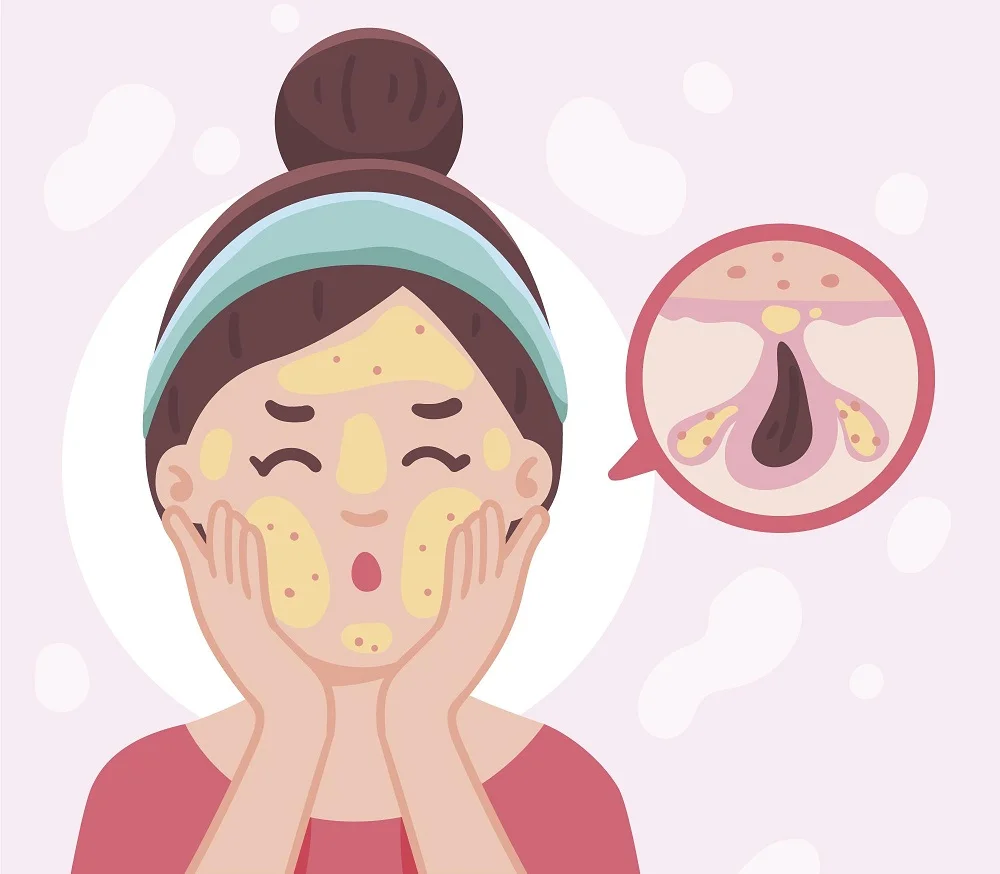
Oily type produces excess sebum throughout the day, resulting in a shiny appearance and greasy feeling, especially in the T-zone (forehead, nose, and chin). Enlarged pores are clearly visible, and this category is prone to blackheads, acne, and clogged pores. In Pakistan, oiliness becomes more challenging during the summer months when humidity and heat increase sebum production. Cities like Karachi, Lahore, and Faisalabad experience intense heat that worsens the condition and leads to breakouts.
3) Dry Skin
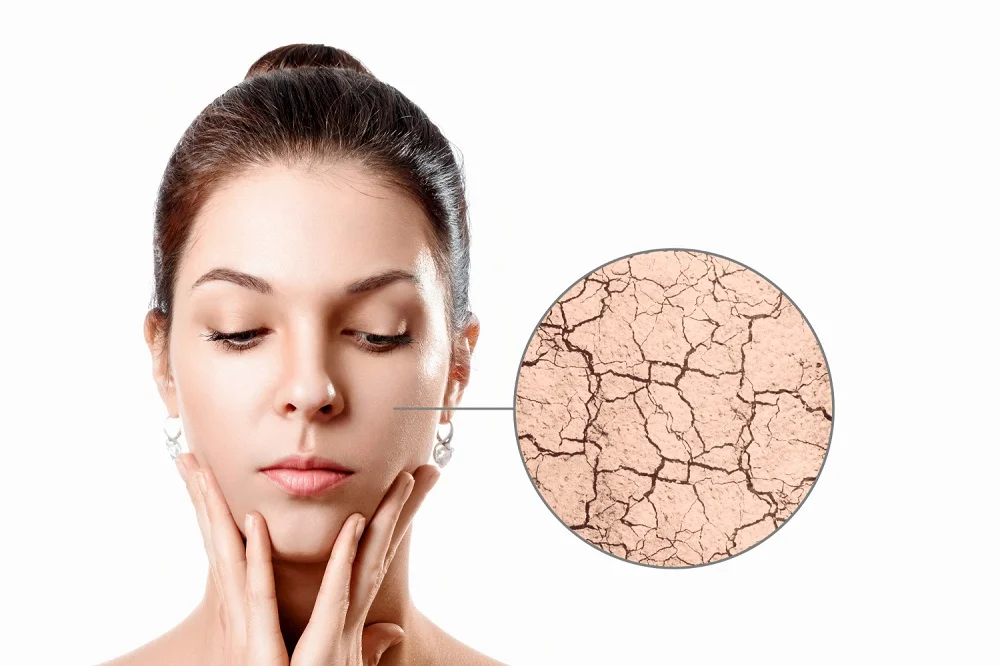
Dry type lacks natural oils and often feels tight and uncomfortable, particularly after cleansing. The texture appears rough, flaky, or scaly with barely visible pores. Fine lines become more prominent, and the complexion may look dull. This condition is common during Pakistani winters when cold, dry air strips moisture away. Northern regions experience more severe dryness due to lower temperatures and reduced humidity levels.
4) Combination Skin
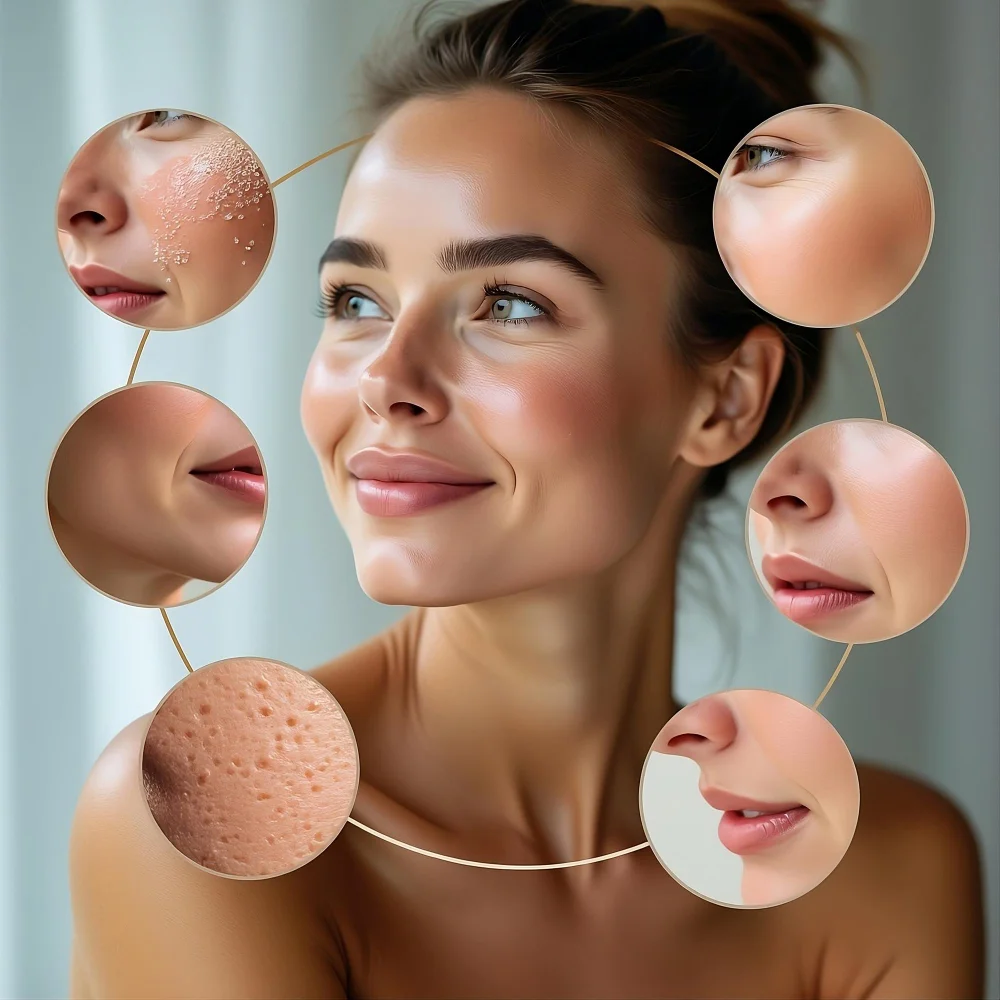
Combination type is the most prevalent in Pakistan. It features an oily T-zone while cheeks remain dry or normal. This creates a mixed situation where some areas need oil control while others require hydration. The condition changes with seasons, becoming oilier in summer and drier in winter. Managing this category requires a balanced approach that addresses different needs across facial areas.
5) Sensitive Skin
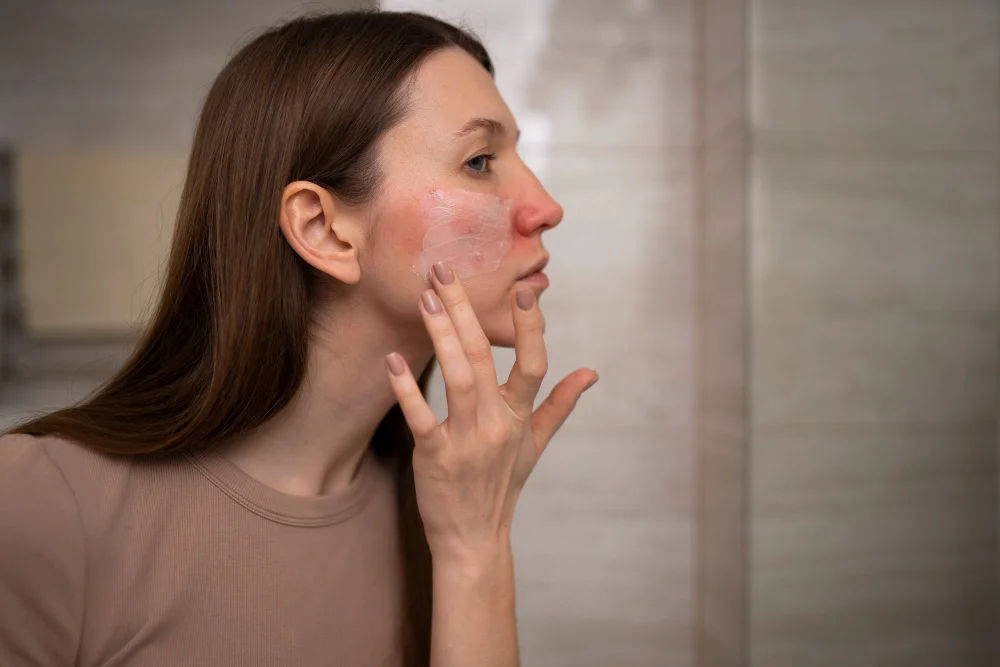
Sensitive type reacts easily to products, weather changes, and environmental factors. Common signs include redness, itching, burning sensations, and irritation. It can occur alongside any other category. In Pakistan, pollution, dust exposure, harsh sun, and temperature fluctuations trigger sensitivity. This condition needs gentle, fragrance-free products to avoid reactions.
How Climate Affects Your Skin in Pakistan
Pakistan’s diverse climate creates unique skincare challenges that directly impact how you look and feel throughout the year.
Summer Challenges
Summer brings extreme heat and high humidity, particularly in coastal and central regions. Karachi’s humidity combines with heat to increase sebum production significantly. The face becomes shiny by midday, and clogged pores lead to frequent breakouts. Intense sun exposure accelerates premature aging, causes dark spots, and increases pigmentation. UV damage remains a constant concern from March through September.
Winter Impact
Winter introduces cold, dry air that reduces natural oil production. The face feels tight after cleansing, and flaky patches appear on cheeks and other dry areas. Fine lines become more visible as moisture levels drop. Northern areas like Islamabad and Peshawar experience harsher winters that severely impact hydration. Many people notice their skin appears lighter during winter, but this results from dryness rather than an actual skin tone change.
Monsoon Effects
Monsoon season creates high humidity with warm temperatures, providing ideal conditions for bacterial and fungal growth. The combination of moisture and heat keeps the face damp longer, leading to increased breakouts and acne. Oily and combination skin types face the most challenges during monsoon months.
Environmental Stressors
Major Pakistani cities face heavy air pollution and dust that settles on the face throughout the day. Pollution causes oxidative stress, leading to dullness, uneven tone, and accelerated aging. Temperature swings between air-conditioned indoors and hot outdoors stress the natural barrier, particularly in urban areas.
How to Identify Your Skin Type at Home
You can determine your real type using simple tests that observe natural behavior without product interference.
The Bare-Faced Method
This watch-and-wait method provides accurate results by letting you observe natural behavior without product interference.
Steps:
- Cleanse your face with a gentle, mild cleanser
- Pat dry with a soft towel
- Wait 30 minutes without applying any products
- Observe your complexion in a mirror (Complete face Cleansing method)
Results Interpretation:
If your entire face appears shiny and feels greasy, you have an oily skin type. When it feels tight, uncomfortable, and shows flaky patches, this indicates dry type. An oily, shiny T-zone with normal or dry cheeks means a combination type. A balanced, hydrated appearance that feels comfortable suggests a normal type.
The Blotting Paper Test
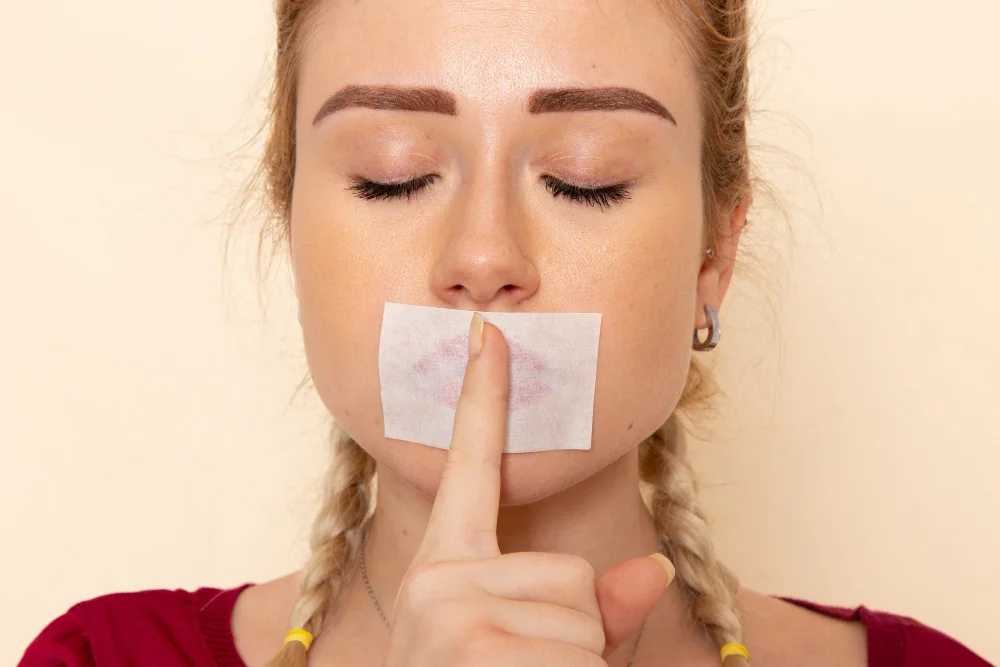
The blotting sheet test reveals oil production patterns across different facial areas.
Steps:
- Cleanse and wait 30 minutes
- Press blotting sheets on your forehead, nose, chin, and cheeks
- Hold the sheets to the light and examine oil marks
Results Interpretation:
Heavy oil visible on all blotting sheets indicates oily type. No oil on any sheet suggests a dry type. Oil marks only on the T-zone sheets point to a combination type. Minimal oil across all areas represents a normal type.
Quick Indicators
Pore Size Assessment: Large, noticeable pores typically indicate an oily skin type, while small, barely visible pores suggest a dry skin type. Mixed pore sizes across different facial areas confirm a combination type.
After-Cleansing Feel: Pay attention to how your face feels 20-30 minutes after washing. Tight and uncomfortable sensations indicate dry type. Quick return to greasiness suggests oily type. Mixed sensations across facial areas point to a combination type. Comfortable, balanced feeling represents the normal type.
Moisturizer Needs: Dry type requires constant moisturizer throughout the day and feels parched without it. Oily type rarely needs moisturizer and feels heavier with application. Combination type needs selective moisturizing in specific areas. Normal type requires occasional moisturizer to maintain hydration.
Pakistani Skin Characteristics
Understanding regional traits helps contextualize your type within Pakistan’s population.
Fitzpatrick Scale Classification
Pakistani skin typically falls within Fitzpatrick Type III to V on the dermatological scale. This translates to tones ranging from light brown to dark brown. The Fitzpatrick scale measures response to sun exposure and melanin content. Pakistani people show moderate to high melanin levels, providing some natural sun protection but also increasing susceptibility to hyperpigmentation.
Common Skin Concerns
Pakistani people face specific challenges regardless of type. High tanning susceptibility means complexions darken quickly with sun exposure, particularly during the summer months. Hyperpigmentation and dark spots develop easily from acne scars, sun damage, and inflammation. Uneven tone remains a persistent concern across all age groups.
Acne and breakouts affect many people, worsened by humidity, pollution, and dust exposure. Dark circles appear prominently on Pakistani tones, caused by genetics, lifestyle factors, and environmental stress. Premature aging accelerates due to harsh sun exposure without adequate protection. Fine lines and wrinkles develop earlier when sun damage combines with pollution effects.
Understanding these characteristics alongside your specific type enables better skincare choices adapted to both personal needs and regional challenges. Regular assessment helps track changes as climate, age, and lifestyle evolve.