
Your skin is telling you something. That stubborn acne that won’t clear up despite trying every cream at the medical store, those dark spots that keep spreading, or the persistent itch that’s been bothering you for weeks. As a student or young professional in Pakistan, you might be wondering: Is this serious enough to see a dermatologist, or am I overreacting?
The answer might surprise you. Many skin conditions that seem minor can actually signal deeper health issues, while others that look alarming might be easily treatable with the right guidance.
In Pakistan, where 31% of dermatology patients suffer from eczema and 11% from acne, knowing when to seek professional help isn’t just helpful, it’s essential for your health and confidence. Dermatologist consultations range from Rs. 500-3,000, making professional care accessible for students.
Medical Review:
This content was medically reviewed by Dr. Fazeela Abbasi Mubeen, MBBS, FCPS (Dermatology), Consultant Dermatologist, Islamabad, Pakistan.
Last reviewed on: January 24-2026.
7 Critical Signs You Need to Visit a Dermatologist
1. Severe or Cystic Acne That Won’t Respond to Treatment
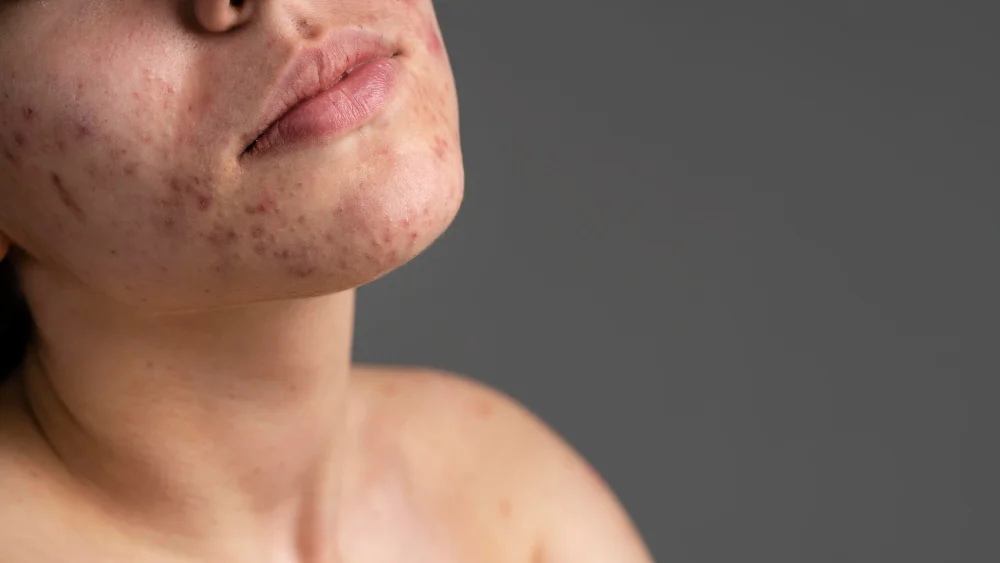
If you’ve been using over-the-counter acne treatments for 2-3 months with no improvement, or if your acne is painful, deep, and leaving scars, it’s time to consult a dermatologist.
Research shows that 14.47% of female medical students in Rawalpindi and Islamabad suffer from acne vulgaris, with 66.7% feeling embarrassed by their condition and 60% having their social activities affected. This isn’t just about appearance, severe acne can cause permanent scarring and significant psychological distress.
See a dermatologist if you have:
- Painful, deep cysts under the skin that don’t come to a head
- Acne spreading to the chest, back, or shoulders
- Dark scars are forming after every breakout
- Sudden severe breakouts during exam stress
- Acne affecting your confidence, studies, or relationships
What dermatologists can do: Prescribe isotretinoin, perform chemical peels, laser treatments, or cortisone injections that over-the-counter products cannot match.
2. Persistent Dark Spots, Pigmentation, or Uneven Skin Tone
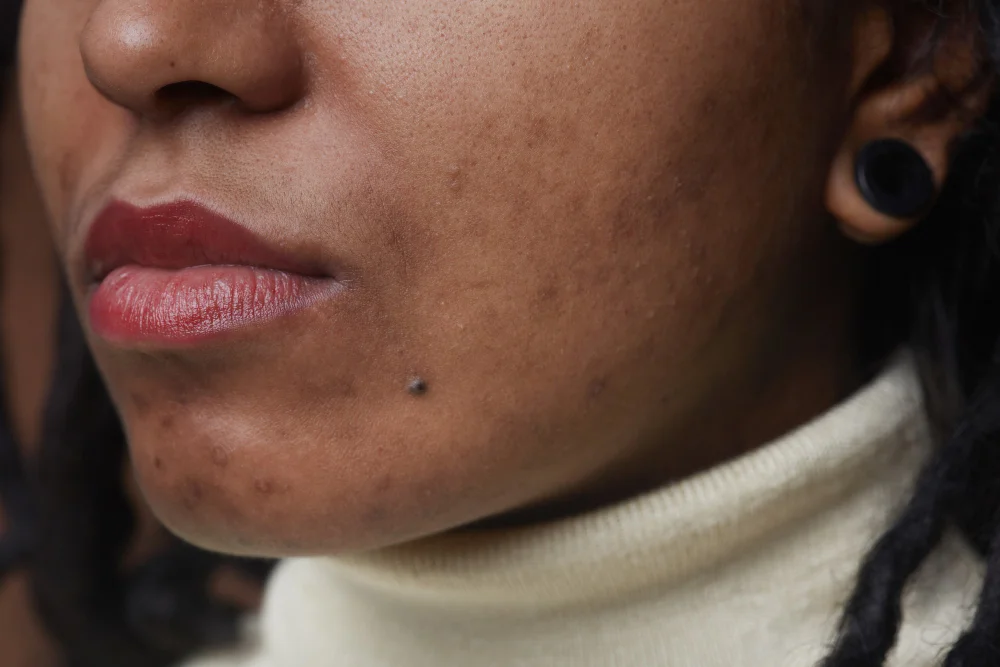
Dark spots, melasma, or uneven skin tone that doesn’t fade after 6 months of home treatment require professional evaluation. In Pakistan’s harsh sun climate, pigmentation affects 36.3% of university students.
See a dermatologist if you have:
- Dark patches on the face, neck, or hands that keep growing
- Pigmentation appearing suddenly without sun exposure
- Uneven skin tone despite daily sunscreen use
- Dark spots that itch, hurt, or change texture
- Melasma (dark patches on cheeks and forehead)
What to expect: Dermatologists can determine if your pigmentation is due to sun damage, hormones, post-inflammatory hyperpigmentation, or underlying health issues. They may recommend prescription hydroquinone, chemical peels, laser therapy, or medical-grade treatments.
Important: Persistent hyperpigmentation can sometimes indicate hormonal imbalances, vitamin deficiencies, or other health conditions that need medical attention.
3. Suspicious Moles or Any Changes in Existing Moles
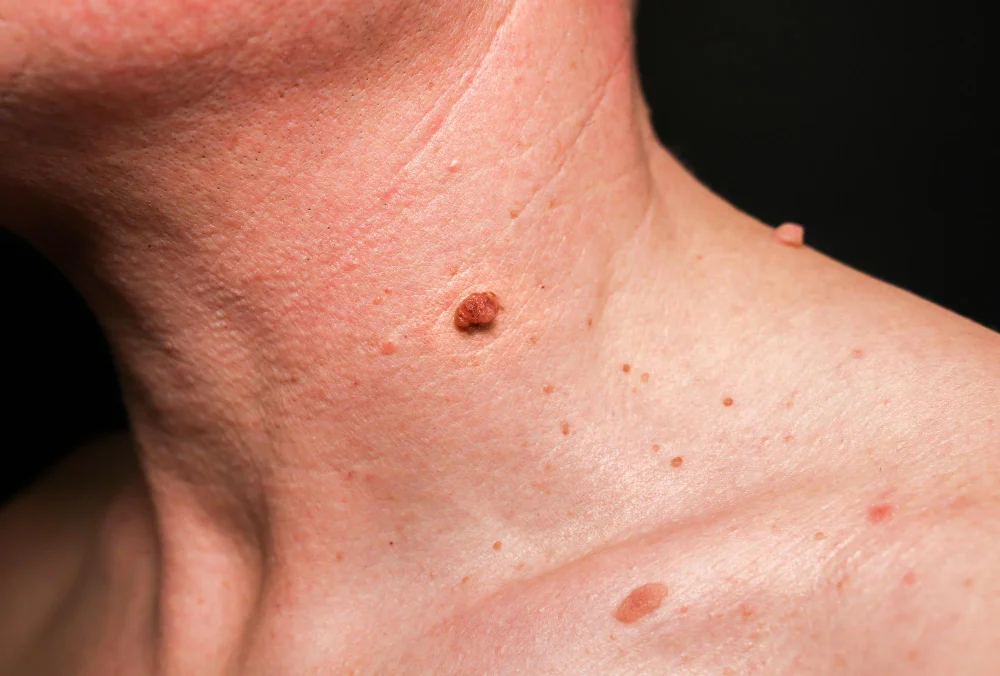
Any change in a mole’s size, shape, color, or texture should be examined immediately. Early detection of skin cancer saves lives.
Use the ABCDE Rule:
- Asymmetry: One half doesn’t match the other
- Border: Irregular, jagged, or blurred edges
- Color: Multiple colors or uneven distribution
- Diameter: Larger than 6mm (pencil eraser size)
- Evolving: Any change in size, shape, color, or symptoms
Why this matters: Dermatologists can perform biopsies and use dermoscopy to rule out melanoma or other skin cancers. Don’t delay this evaluation.
4. Chronic Eczema, Persistent Rashes, or Severe Itching
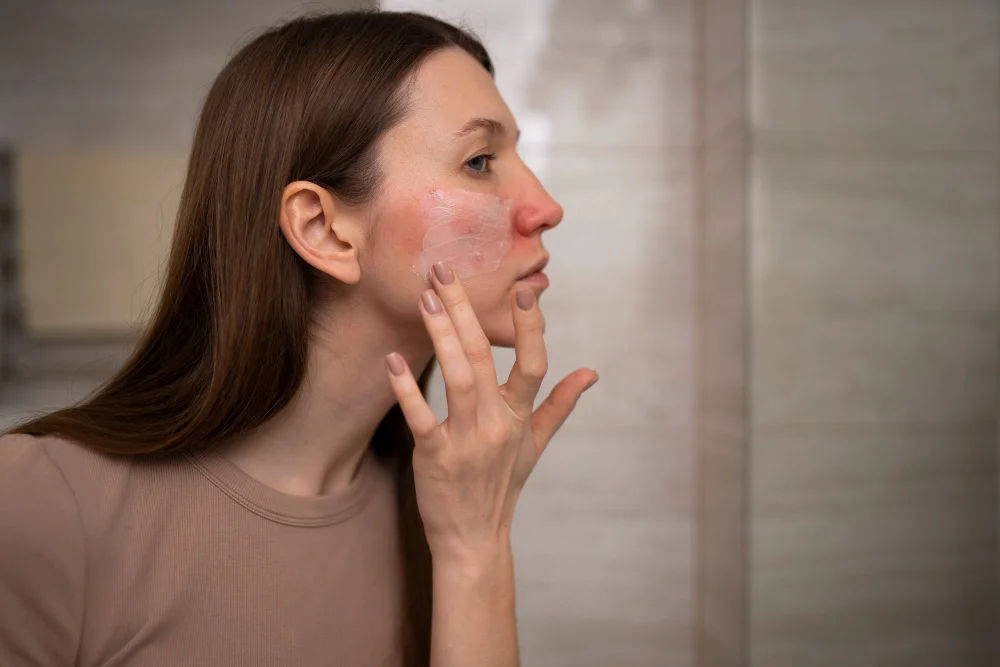
Eczema (atopic dermatitis) affects 31% of dermatology patients in Pakistan. If you have red, itchy, inflamed skin that keeps coming back despite moisturizers and mild creams, professional treatment is necessary.
Visit a dermatologist if you have:
- Severe itching that disrupts sleep or daily activities
- Skin that cracks, bleeds, or weeps clear fluid
- Rashes lasting more than 2 weeks
- Infection signs (yellow crust, pus, increased redness, warmth)
- Eczema spreading to new body areas
Why it matters: Chronic eczema can indicate allergies, immune system issues, or environmental triggers. Dermatologists can prescribe topical steroids, immunosuppressants, or identify specific allergens through patch testing.
5. Excessive Hair Loss or Sudden Bald Patches

Losing 50-100 hairs daily is normal. Anything beyond this, especially sudden or patchy hair loss, requires evaluation. Research shows 59% of university students in Sindh experience hair loss.
See a dermatologist if you have:
- Clumps of hair falling out when washing or combing
- Visible bald patches (alopecia areata)
- Hair loss with scalp itching, redness, or scaling
- Sudden thinning across the entire scalp
- Hair loss affecting eyebrows or body hair
Common causes in students: Exam stress, poor nutrition (iron deficiency, vitamin D deficiency), hormonal changes, excessive styling, and underlying medical conditions.
What dermatologists can do: Diagnose the type of hair loss (telogen effluvium, androgenetic alopecia, alopecia areata), prescribe minoxidil, finasteride, corticosteroid injections, recommend PRP therapy, or identify nutritional deficiencies through blood tests.
6. Persistent Fungal or Bacterial Skin Infections
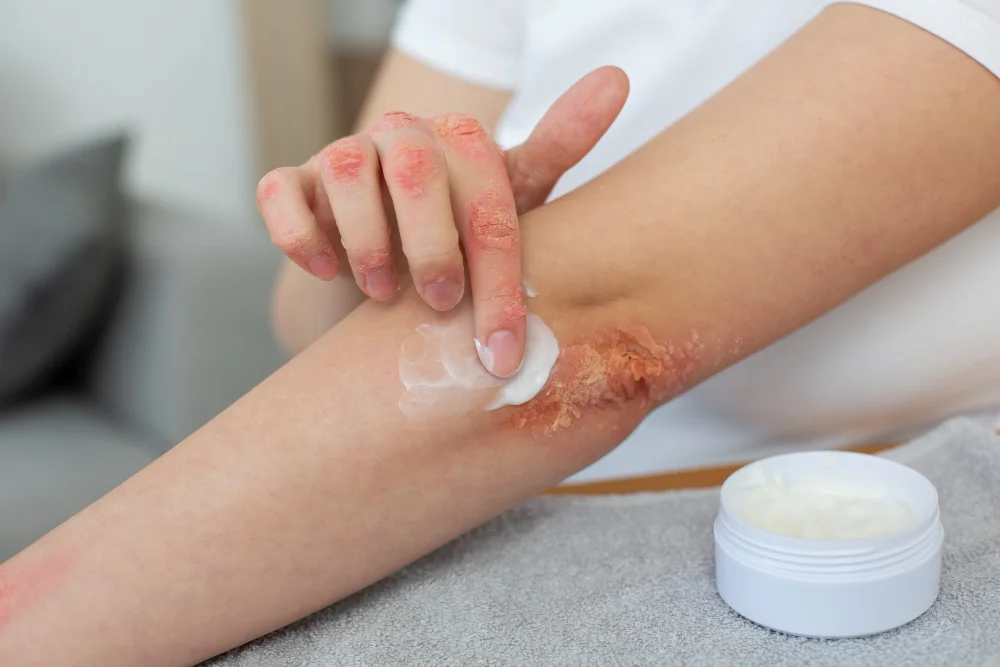
Pakistan’s hot, humid climate makes fungal infections extremely common (28.16% of dermatology cases). If home treatments aren’t working within 2 weeks, professional help is needed.
See a dermatologist if you have:
- Ring-shaped rashes with raised borders (ringworm/tinea)
- Athlete’s foot that keeps returning
- Nail discoloration, thickening, or crumbling
- Persistent infections in the groin, armpits, or between the toes
- Bacterial infections (boils, folliculitis, impetigo, cellulitis)
- Scabies (27% of dermatology patients in Lahore)
Why students are affected: Shared hostel facilities, gym equipment, swimming pools, and humid weather increase infection risk.
Treatment: Prescription-strength antifungal medications (oral or topical), antibiotics for bacterial infections, proper hygiene counseling, and treatment for scabies or lice infestations.
7. Before Starting Skin Whitening Supplements or Cosmetic Treatments
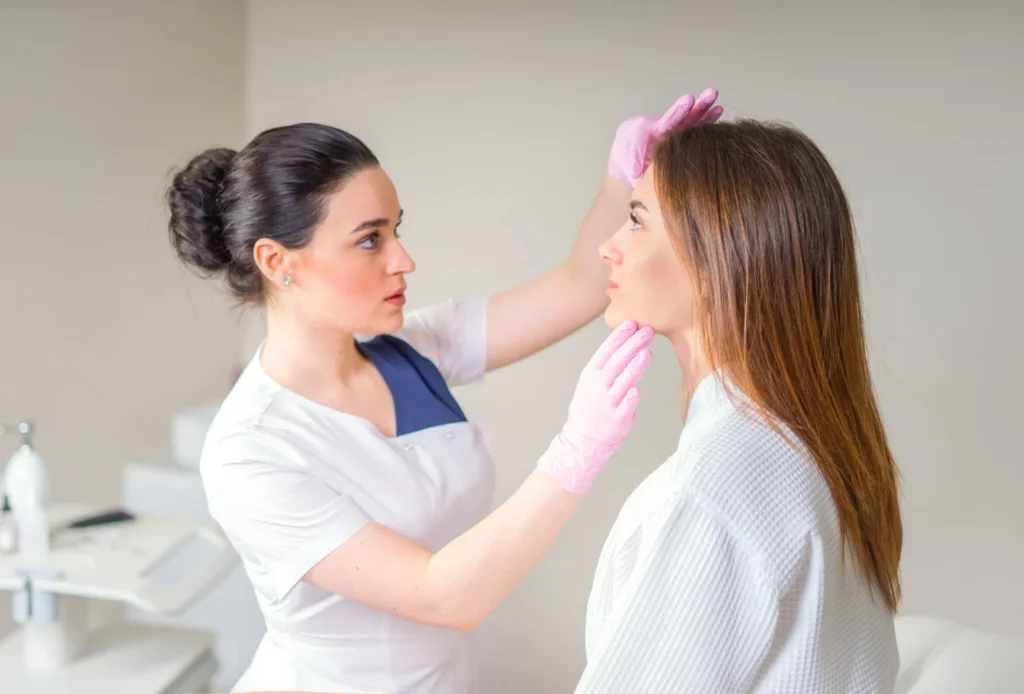
If you’re considering glutathione supplements, chemical peels, laser treatments, or any cosmetic procedures, consulting a dermatologist first ensures safety and effectiveness.
You should consult a dermatologist if:
- You’re pregnant or breastfeeding
- You have existing medical conditions (diabetes, liver issues, kidney problems)
- You’re taking prescription medications
- You have a history of allergic reactions
- You have sensitive or reactive skin
- You want to understand realistic timelines and results
Why this matters: A dermatologist can assess if the treatment is appropriate for your skin type, rule out underlying conditions that might interfere, provide proper dosage guidance, and monitor for side effects.
Safe approach: While glutathione supplements are generally safe and available over-the-counter, medical supervision ensures you’re using the right dosage for your specific needs and that it won’t interact with any medications or health conditions.
Biggest Problems Everyone Faces (And Solutions)
1. I Can’t Afford Expensive Treatments

Reality: Dermatologist consultations are more affordable than you think.
Solutions:
- Government hospitals: Rs. 20-100 consultation (Allied Hospital Faisalabad, Mayo Hospital Lahore, PIMS Islamabad)
- Private hospitals: Rs. 1,500-3,000 (modern facilities, shorter wait times)
- Online consultations: Rs. 500-2,000 (platforms like Marham, Oladoc, Instacare)
- University health centers: Free or Rs. 50-200 for enrolled students
Pro tip: One dermatologist visit can save you thousands spent on ineffective creams and products. Generic medications are available at a fraction of branded prices.
Quick Cost Comparison:
| Option | Consultation Fee | Wait Time | Best For |
|---|---|---|---|
| Government Hospital | Rs. 20-100 | Longer (2-3 hours) | Budget-conscious students |
| Private Hospital | Rs. 1,500-3,000 | 15-30 minutes | Quick appointments, modern facilities |
| Online Consultation | Rs. 500-2,000 | Same day | Convenience, privacy, and busy schedules |
| University Health Center | Free – Rs. 200 | Same day | Current students, minor issues |
Common Skin Problems:
- Acne: 26% of students → See doctor if severe or scarring
- Dark Spots/Pigmentation: 36.3% of students → See doctor if lasting 6+ months
- Hair Loss: 59% of students → See doctor if excessive or patchy
- Fungal Infections: 28% of cases → See doctor if not improving in 2 weeks
- Eczema: 31% of cases → See doctor if chronic or infected
- Scabies: 27% of Lahore patients → See doctor for proper treatment
2. I’m Embarrassed to Discuss My Skin Problems

Reality: 66.7% of students with acne feel embarrassed, but dermatologists see these conditions every single day.
Solutions:
- Remember, dermatologists are medical professionals trained to help, not judge
- Online video consultations offer more privacy from home
- Your skin condition is likely more common than you think
- Delaying treatment often makes problems worse and harder to treat
Student perspective: “I waited 2 years before seeing a dermatologist for my acne. I wish I had gone sooner. The doctor was so understanding, and my skin cleared up in 3 months.” – Ayesha K., 22, Lahore
3. I’ll Just Try Home Remedies First
Reality: Some conditions (cystic acne, psoriasis, fungal infections, melasma) require prescription medications that home remedies cannot provide.
Smart approach:
- Try over-the-counter treatments for 4-6 weeks maximum
- If no improvement, seek professional help
- Don’t waste months on ineffective remedies
- Early treatment prevents scarring and complications
When home treatment is okay: Mild acne, occasional breakouts, minor dry patches, temporary sun damage. When you need a doctor: Severe symptoms, persistent conditions, spreading problems, pain, or discomfort. Here is a recommended post: 5 Best Face White Karne Ka Tarika In Pakistan.
4. My Parents Think It’s Not Safe

Reality: Pakistani parents often worry about skin supplements, and their concerns are valid. However, DRAP-approved products with transparent ingredients are medically safe.
Common parental concerns:
- “These chemicals will harm your health”
- “You’re too young to take supplements”
- “Why can’t you just use natural remedies?”
- “What if it damages your liver or kidneys?”
How to address this:
- Show them the DRAP certification and ingredient transparency
- Explain that glutathione is a natural antioxidant that your body already produces
- Share that 500mg-1000mg daily dosages have been studied extensively
- Offer to consult a dermatologist together for professional reassurance
- Point out that quality supplements are safer than unregulated creams containing mercury or steroids
Professional perspective: Board-certified dermatologists recommend glutathione supplements when used properly. The key is choosing DRAP-registered products with clear ingredient lists, proper dosages, and no hidden additives.
Student tip: “I showed my mother the DRAP registration certificate and the complete ingredient breakdown. When she saw it was just glutathione and vitamin C (things she recognized), she felt much better about it.” – Zainab M., 23, Islamabad
5. What If It Doesn’t Work for Me?
Reality: Results vary significantly. About 60-70% see visible changes with proper use.
Why it might not work:
- Genetics: Pakistani skin Type is III to V, which has resistant melanin production
- Poor absorption: Low bioavailability; take with vitamin C on an empty stomach
- Lifestyle: Sun exposure without SPF 50+, smoking, stress, hormonal issues
- Product quality: Counterfeits, expired products, inadequate dosing
If not working after 3 months:
- Verify product authenticity (DRAP registration)
- Check your sun protection habits
- Get hormonal testing (PCOS, thyroid)
- Try better bioavailability formulations
- Consider dermatologist-supervised alternatives
Switch to alternatives (prescription topicals, professional treatments) if zero results after 4-6 months of consistent, proper use.
Frequently Asked Questions
Q1: How much does a dermatologist cost in Pakistan?
Government hospitals charge Rs. 20-100, private hospitals Rs. 1,500-3,000, and online consultations Rs. 500-2,000. Students can access affordable care through university health centers or government facilities.
Q2: Can I consult a dermatologist online?
Yes. Platforms like Marham, Oladoc, and Instacare offer video consultations with qualified dermatologists. Fees range from Rs. 500-2,000, and you can book same-day appointments.
Q3: How long should I wait before consulting?
If over-the-counter treatments haven’t improved your condition after 6-8 weeks, or if you have severe symptoms (pain, spreading, infection), consult a dermatologist immediately. Don’t wait months hoping it will resolve on its own.
Q4: Is it safe to take glutathione supplements without seeing a doctor?
Glutathione supplements are generally safe for healthy adults. However, consult a dermatologist first if you’re pregnant, breastfeeding, have existing medical conditions (diabetes, liver/kidney issues), or take prescription medications. A doctor can guide you on proper dosage and monitor for any interactions.
Q5: What’s the difference between a dermatologist and a beautician?
Dermatologists are medical doctors (MBBS + specialization) who diagnose and treat skin diseases. Beauticians provide cosmetic services but cannot diagnose medical conditions or prescribe treatments. For skin health issues, always see a dermatologist.
Q6: Will my skin problem get worse if I wait?
Many skin conditions worsen without treatment. Acne can cause permanent scarring, pigmentation can spread, infections can become severe, and early-stage skin cancers can advance. Early treatment is always easier, cheaper, and more effective than treating advanced conditions.
Ready to Take Control of Your Skin Health?
For Medical Skin Concerns:
Find a qualified dermatologist through Marham, Oladoc, or Instacare, or visit your nearest government hospital’s dermatology department.
For Cosmetic Skin Goals:
ClearGlow.pk offers DRAP-approved glutathione tablets trusted by 10,000+ customers across Pakistan. With FREE nationwide delivery, cash on delivery, and easy WhatsApp ordering, achieving fair, glowing skin has never been more accessible for students.
📱 WhatsApp: +92 324 253 0662
🌐 Website: clearglow.pk
✅ DRAP Approved • 100% Natural • Student-Friendly Prices
Use our free Results Timeline Calculator to discover your personalized skin whitening journey based on your skin tone, age, and goals.
“This content is for informational purposes only and does not replace professional medical advice. Always consult a qualified dermatologist for diagnosis and treatment.“