If you’ve searched “Kwadin” recently, you’ve probably landed on a wave of near-identical press releases calling it the next big thing in AI and blockchain. Before you dig further, or especially before you consider buying into its presale, it’s worth understanding what Kwadin actually claims to be, and why several of those claims don’t hold up to scrutiny.
What Kwadin Claims to Be
Kwadin markets itself as an AI-driven commerce platform built on blockchain technology. According to its promotional material, the project combines “AI Commerce Agents” that negotiate prices and handle transactions on a user’s behalf, a “Trust Score” system meant to verify merchant credibility using on-chain data, and visual sizing tools that use 3D body scans to help shoppers judge fit. The stated goal is to solve problems like review fraud and identity disputes in online marketplaces.
The token tied to this ecosystem is called KDN. As of this writing, it’s being sold through a presale at a fixed price, with bonus allocations advertised for early buyers. The project claims over $30 million in initial funding and more than 31,000 contributors.
None of that is inherently impossible. AI-assisted shopping tools and blockchain-based reputation systems are real categories of technology. The problem is how these specific claims are being presented, and what’s missing.
Why the Coverage Looks Like a Coordinated Promotion, Not News
Search for Kwadin and you’ll find the same paragraphs, sometimes word for word, republished across multiple “news” sites: Coinscope, CoinPRWire, and syndicated posts on outlets like StreetInsider. This is a pattern worth recognizing. Legitimate financial journalism involves independent reporting, sourcing, and at least some skepticism. What you’re seeing here instead is one press release distributed to multiple placements, each one designed to look like independent coverage while actually functioning as an ad.
A few specific tells show up repeatedly across these pieces:
Urgency language. Phrases like “these early-entry conditions will end once the presale closes” and “200% bonus” are classic scarcity tactics. They’re designed to get you to act before you’ve had time to research.
Vague utility claims. Terms like “AI-enabled tools,” “staking incentives,” and “shared transaction revenue” sound concrete but aren’t backed by technical documentation, an audited smart contract, or a working product you can test.
Unverifiable numbers. Claims of “$30 million in funding” and “31,000+ contributors” appear in the marketing copy with no link to a funding announcement, an investor list, or an on-chain wallet you can check.
YouTube hype videos with titles like “The Hidden Crypto Everyone Will Talk About in 2026” follow the same script used across countless low-substance token launches: build FOMO, promise a ground-floor opportunity, then point viewers to the presale link.
What Independent Sources Say
Not every outlet covering Kwadin has repeated the promotional framing uncritically. CoinCodex, a crypto data and news site, published an analysis under the headline “Why You Should Not Invest in KDN Token,” pointing to red flags including no identifiable real team behind the project and math errors in how the token supply is described. When a project’s own tokenomics don’t add up, that’s a signal worth taking seriously, not a detail to overlook.
It’s also worth noting what’s absent from the available coverage: no audited smart contract report, no verifiable team with LinkedIn profiles or prior project history, and no independent security review. For a project asking people to buy a token before any exchange listing exists, those gaps matter.
Common Presale Red Flags, and How Kwadin Compares
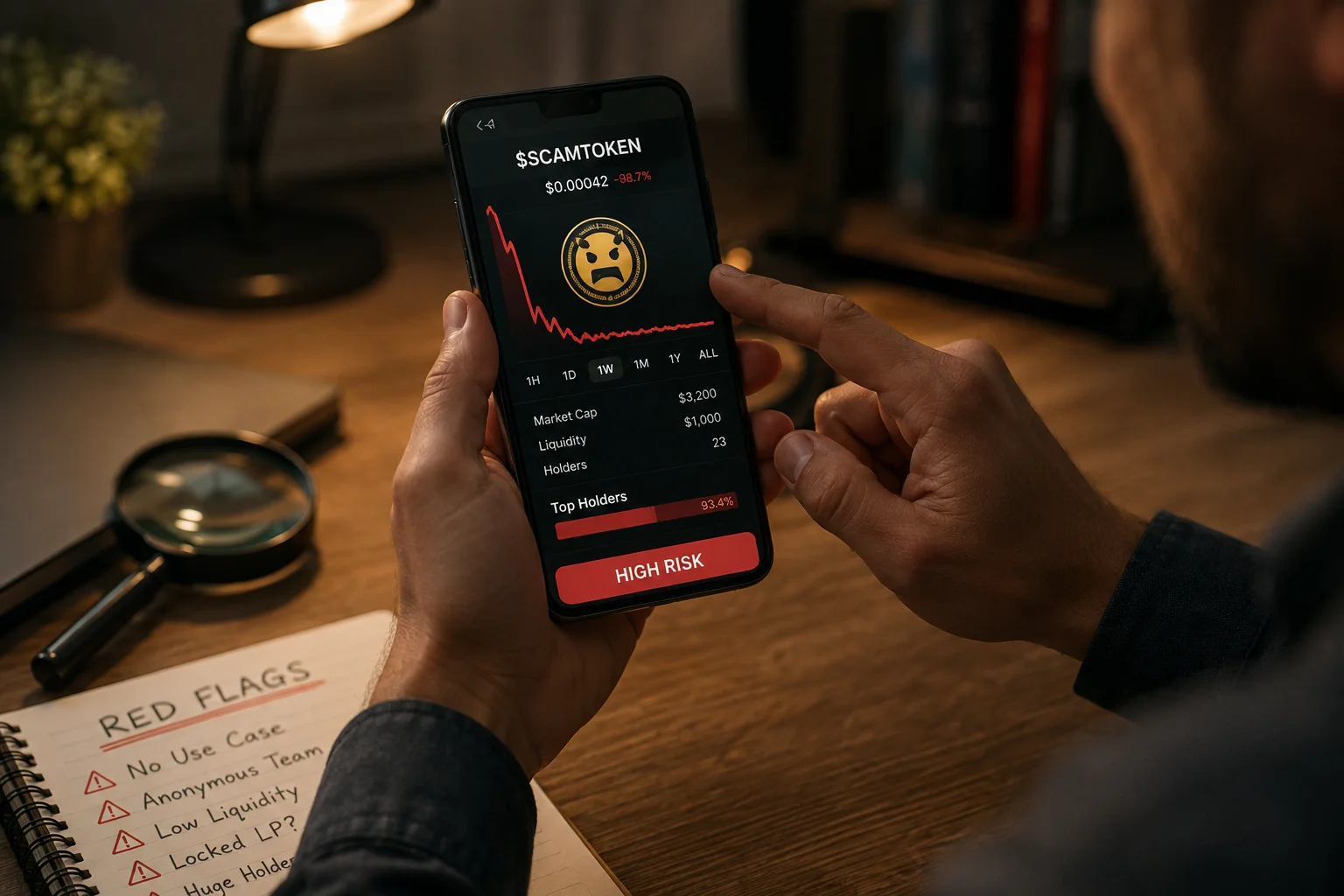
Crypto presales aren’t automatically fraudulent. Some legitimate projects do raise early funds this way. But regulators and security researchers have identified a consistent set of warning signs, and it’s worth checking any presale against them directly rather than trusting a project’s own marketing.
Anonymous or unverifiable teams. If you can’t find named founders with a track record you can check independently, that’s a problem. Kwadin’s coverage doesn’t name a founding team.
Guaranteed or bonus-heavy returns. A “fixed” presale price paired with a “200% bonus” is a pricing structure, not a guarantee of future value. Nothing about a presale price obligates a token to be worth more later.
Pressure to act fast. Real infrastructure projects don’t typically lose their validity because you waited a week to research them. Urgency is a sales tactic, not a technical constraint.
Coverage that reads like advertising. If every article uses the same phrases and none of them link to primary sources like audits, contracts, or filings, treat that coverage as marketing rather than reporting.
No working product. Claims about AI agents and Trust Scores mean little without a live platform you can actually use and evaluate.
Kwadin’s public coverage checks several of these boxes.
What to Do Before Putting Money Into Any New Token
If you’re evaluating Kwadin or a similar project, a few concrete steps go further than reading another press release.
See our latest Blog.
Look up the smart contract address on a blockchain explorer and check whether it’s been audited by a recognized security firm. Search for the founding team by name, not just the project name, and see if they have a verifiable history. Check whether the project has been flagged by consumer protection resources; the U.S. Securities and Exchange Commission and the Federal Trade Commission both publish guidance on identifying crypto investment scams. And be skeptical of any coverage you can’t trace back to an independent source with no financial stake in the project’s success.