Medical disclaimer: This article is for general informational purposes only and is not a substitute for professional medical advice, diagnosis, or treatment. Always follow the specific instructions given by your doctor, and seek immediate medical care if your symptoms worsen.
Getting Home Is Just the Start
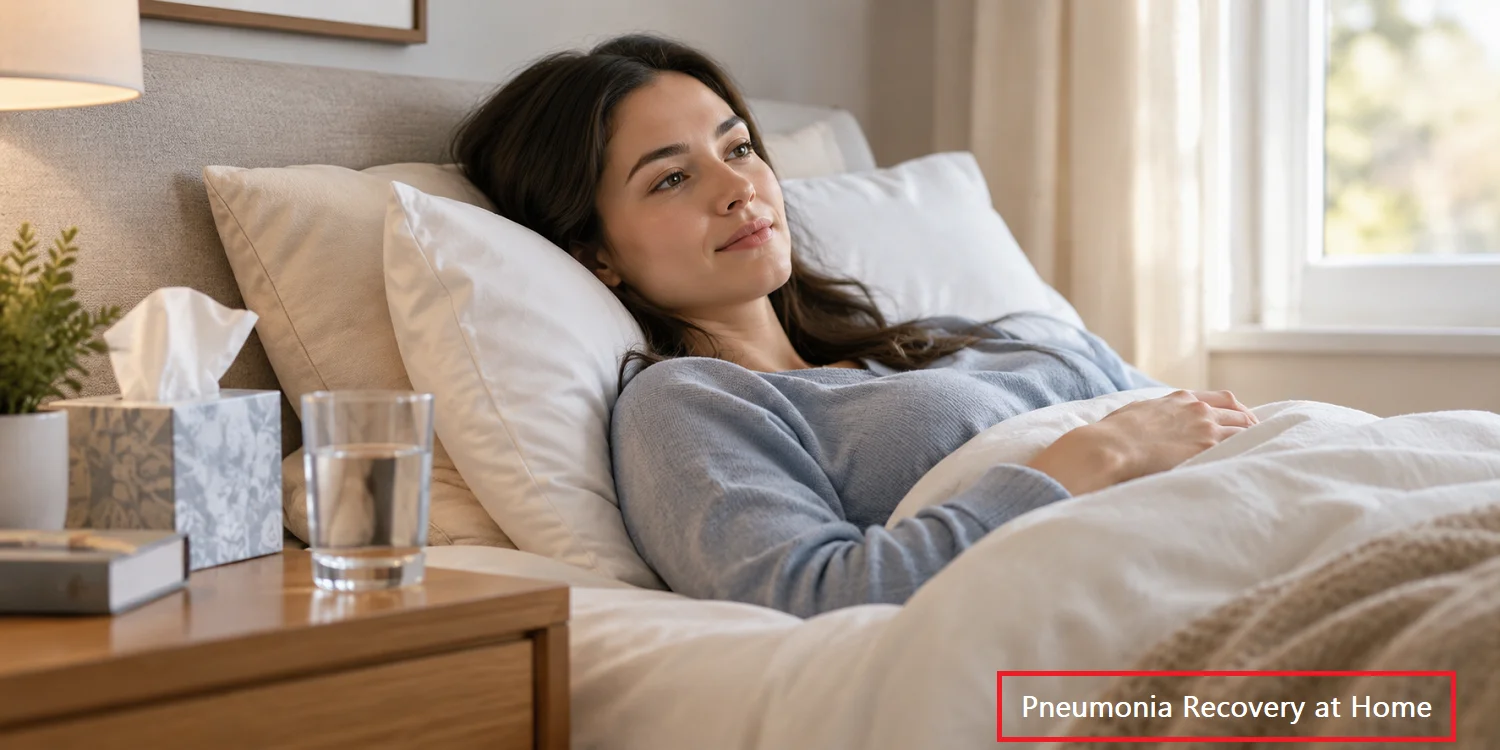
If you’ve just been diagnosed with pneumonia, or you’re caring for someone who has, you probably have one question: how long is this going to take, and what do I actually need to do? Pneumonia is a lung infection that inflames the air sacs (alveoli) and fills them with fluid or pus, and recovering from it at home involves more than just waiting it out. According to the National Heart, Lung, and Blood Institute (NHLBI), some people feel back to normal in one to two weeks, while others need a month or longer, and most people stay tired for about a month regardless of how mild the case was.
That range is wide, and it depends on your age, the type of pneumonia, and your overall health going in. What matters more than the exact timeline is what you do during it. Rest, fluids, medication, and knowing which symptoms mean “call the doctor” make the difference between a smooth recovery and a trip back to the hospital.
What Happens to Your Lungs During Recovery
Pneumonia isn’t one single illness. It can come from bacteria, viruses, or less commonly fungi, and the cause affects both treatment and recovery time. Bacterial pneumonia usually responds to antibiotics within a few days, though you’ll likely be told to finish the entire course even after you start feeling better. Viral pneumonia doesn’t respond to antibiotics at all, so recovery leans more heavily on rest, fluids, and time.
Either way, your lungs need real time to clear out the fluid and heal the inflamed tissue. That process doesn’t stop just because your fever breaks or your energy comes back. This is why so many people report feeling “recovered” and then get hit with a wave of fatigue a few days later. It’s not a setback. It’s just lungs doing repair work that doesn’t show up as a symptom you can see.
Follow Your Treatment Plan, Even When You Feel Fine
The single most important thing you can do during pneumonia recovery is finish what your doctor started. The American Lung Association is direct about this: if you’re on antibiotics, you take the full course, even though you’ll probably start feeling better after just a couple of days. Stopping early is one of the most common ways people relapse or develop antibiotic-resistant infections.
A few practical habits help here:
- Set phone reminders for medication times, especially if you’re managing multiple prescriptions
- Keep a simple log of when you took each dose, particularly useful if a caregiver is helping
- Don’t skip your follow-up appointment. Your doctor needs to confirm the infection has actually cleared, not just that you feel better
- Ask before combining over-the-counter cough or pain medication with anything you’ve been prescribed
Honestly, this step gets skipped more than people admit. Feeling 80% better convinces a lot of people they’re done. They’re not, and that’s exactly when complications sneak in.
Rest Is Not Optional
Your body is fighting an infection, and that takes energy your immune system needs. Pushing through a normal workday or a full parenting schedule during the first week isn’t tough, it’s counterproductive. The NHLBI recommends checking with your provider before returning to normal activities rather than guessing at when you’re ready.
For adults, this usually means:
- Staying home from work until your fever has been gone for at least 24 hours without medication
- Avoiding strenuous exercise for at least a week after symptoms improve, sometimes longer
- Accepting that a slower-than-usual pace for several weeks is normal, not a sign something’s wrong
For children, rest looks a little different since keeping a sick kid still is its own challenge. Quiet activities like reading, coloring, or low-key screen time can substitute for the physical play they’d normally want, without draining the energy their immune system needs.
Hydration and Nutrition Actually Matter Here
Fluids do real, specific work during pneumonia recovery: they thin the mucus in your lungs, which makes coughing more productive instead of just painful and unproductive. Health resources across the board, including hospital discharge guidance, consistently list hydration as a top priority, not an afterthought.
Aim for:
- Water as your baseline, with herbal tea or broth as good additions
- Pale yellow urine as a rough indicator you’re hydrated enough
- Small, frequent meals if a full plate feels like too much. Soups, fruits, and protein-rich foods that are easy to digest tend to work best
- Limiting caffeine and alcohol, both of which work against hydration and can interfere with the sleep you need
Breathing Exercises and Airway Clearance
Depending on your case, your care team may give you specific breathing exercises or teach you controlled coughing techniques. These aren’t busywork. They help keep your lungs clear and reduce the risk of complications like fluid buildup that lingers longer than it should.
If you weren’t given specific instructions, ask at your follow-up appointment whether breathing exercises would help your particular case. Not everyone needs them, but for some patients, especially those recovering from more severe pneumonia, they speed things along meaningfully.
Managing Your Environment at Home
A few environmental adjustments make a noticeable difference in comfort:
- Air quality: Keep the room well-ventilated. Avoid smoke exposure entirely, including secondhand and thirdhand smoke, which actively damages the respiratory tissue you’re trying to heal
- Humidity: A humidifier or a hot shower with the door closed can loosen mucus and ease coughing
- Temperature: Keep the room comfortable and avoid extremes in either direction
If you smoke, recovery is a genuinely good moment to get support for quitting. Smoking doesn’t just slow lung healing, it raises your risk of getting pneumonia again.
Preventing Spread to Others in the Household
Pneumonia caused by bacteria or viruses can spread to others, particularly in the first few days of symptoms. A few habits protect the people around you without requiring you to isolate completely:
- Cover coughs and sneezes with a tissue or your elbow, not your hands
- Wash hands frequently, and ask household members to do the same
- Stay home until your doctor confirms you’re no longer contagious, which is usually a matter of days, not weeks
Warning Signs That Mean Call Your Doctor Now
This is the part of the guide that matters most, so it’s worth being specific rather than vague. Seek medical attention promptly if you notice:
- Difficulty breathing or breathing that’s noticeably faster than normal
- Chest pain that’s persistent or severe, especially if it worsens with breathing
- A fever of 102°F (38.9°C) or higher
- Symptoms that improve and then suddenly get worse again
- Confusion or unusual drowsiness, which can be a sign of a more serious complication, particularly in older adults
Roughly 1 in 5 pneumonia patients end up back in the hospital within 30 days of discharge, and catching a downturn early is usually what prevents that. If something feels off, trust that instinct and call rather than waiting to see if it passes.
Caring for Someone Else With Pneumonia
If you’re the one supporting a family member through this rather than recovering yourself, your role mostly comes down to three things: watching for the warning signs above, keeping medications on schedule, and making daily life easier so they can actually rest. That might mean handling meals, light housekeeping, or just running interference so they’re not tempted to get up and “just do one thing real quick.”
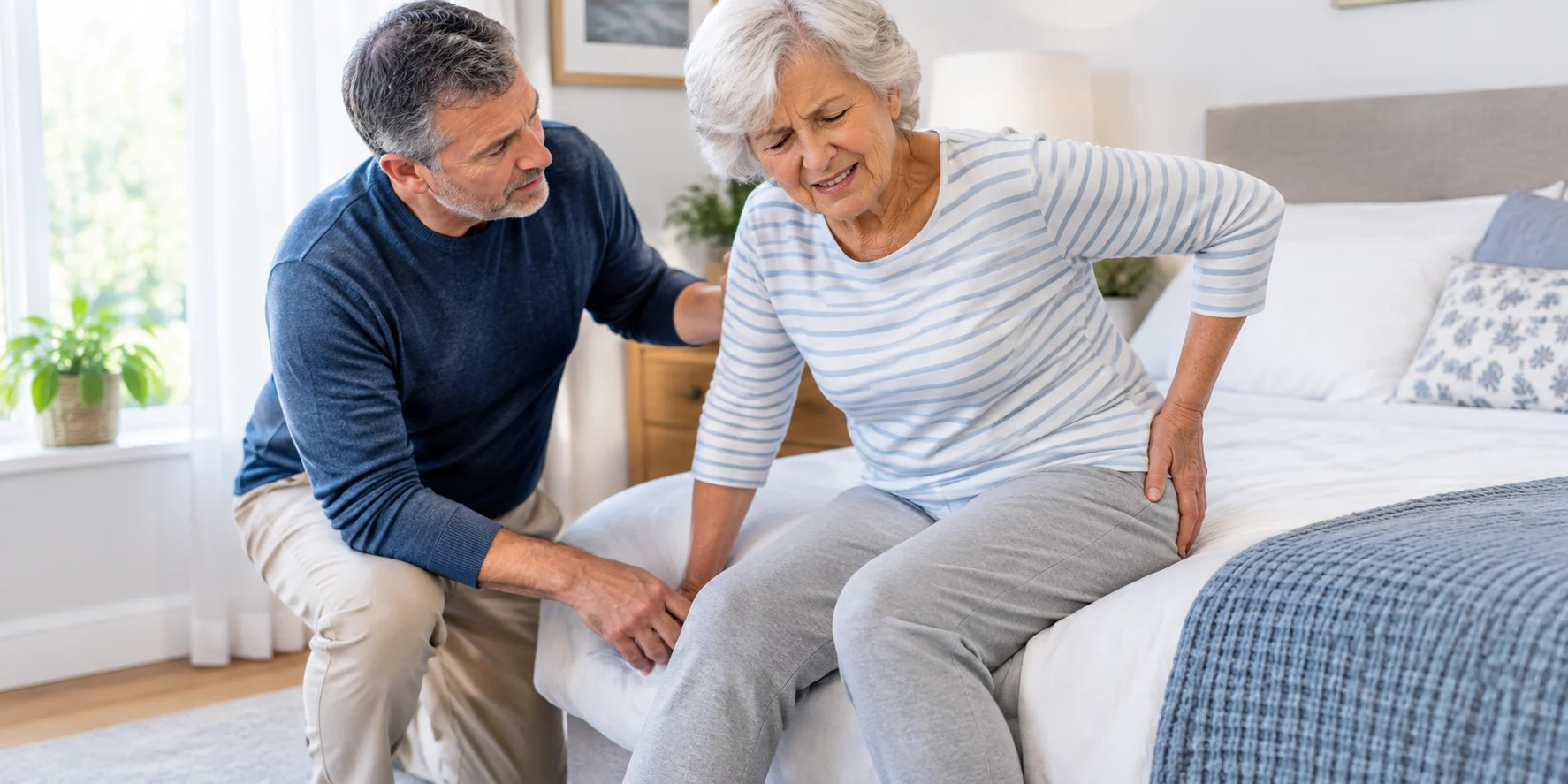
Older adults in particular benefit from having someone else tracking symptoms, since fatigue and reduced lung capacity can make it harder for them to notice their own warning signs early.
How Long Recovery Really Takes
There’s no single answer here, and anyone who gives you one exact number is oversimplifying. Mild pneumonia often resolves in one to three weeks. More severe cases, or pneumonia in someone older or with existing health conditions, can take a month or considerably longer. What’s consistent across sources is that fatigue tends to outlast every other symptom. Feeling tired weeks after you’ve stopped coughing is common, not a sign of a relapse.
Preventing Pneumonia in the Future
Once you’ve been through this, prevention starts to matter a lot more. The most effective steps are straightforward:
- Stay current on pneumonia and flu vaccines, particularly if you’re over 65, have a chronic illness, or have a weakened immune system
- Practice consistent hand hygiene
- Avoid smoking and limit exposure to secondhand smoke
- Manage chronic conditions like diabetes or heart disease, which raise pneumonia risk when poorly controlled
None of this guarantees you’ll never get pneumonia again, but it meaningfully lowers the odds and tends to make future cases milder if they do happen.
Conclusion
Recovering from pneumonia at home comes down to a handful of things done consistently: finishing your medication, resting more than feels necessary, staying hydrated, and watching for the warning signs that mean it’s time to call a doctor. There’s no way to rush the timeline, and trying to push through it usually backfires. Give your lungs the time they need, lean on your follow-up appointments to confirm you’re actually clear, and don’t treat feeling better as the same thing as being fully recovered. If anything about your symptoms feels wrong along the way, that’s reason enough to reach out to your healthcare provider rather than wait it out.