If you’re searching for “maryland john hopkins hospital,” you’re probably trying to do one of three things: learn what the hospital actually offers, figure out how it stacks up against other Maryland hospitals, or get practical details before an appointment or visit. This guide covers all three.
Where It Is and What It Is
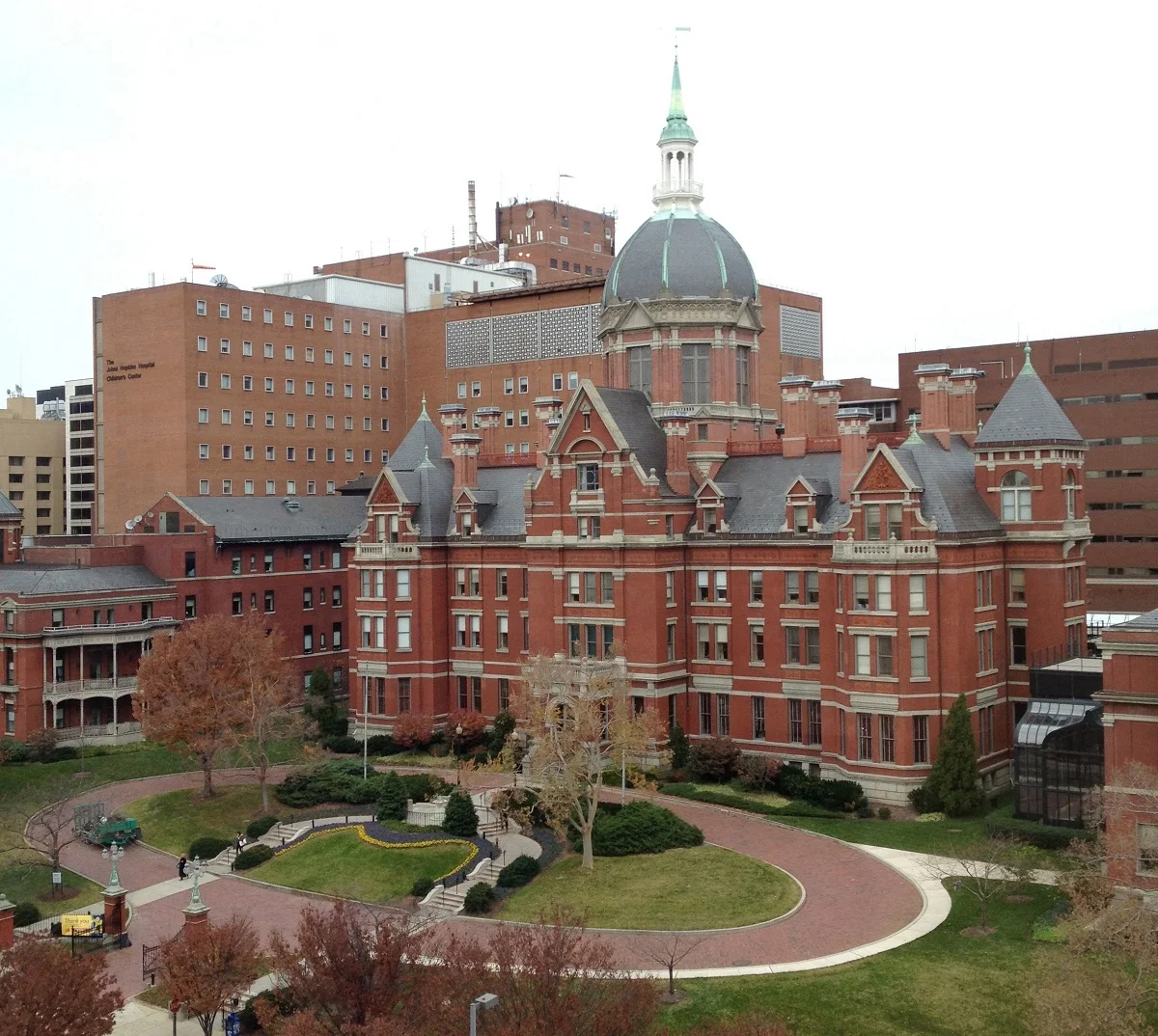
The Johns Hopkins Hospital sits at 1800 Orleans St, Baltimore, MD 21287, in East Baltimore. It’s a nonprofit academic medical center and the teaching hospital tied to the Johns Hopkins University School of Medicine. The campus includes two major sub-hospitals under one roof: the Johns Hopkins Children’s Center and the Johns Hopkins Kimmel Cancer Center. The hospital sets healthcare standards in patient care, research, and education as the teaching hospital affiliated with the Johns Hopkins University School of Medicine, located in the heart of East Baltimore.
The main phone line is (410) 955-5000, and the emergency departments (one for adults, one for children) sit at the front of the hospital off Orleans Street, with a sheltered drop-off area for quick access.
One note if you’re on a specific insurance plan: as of August 25, 2025, all Johns Hopkins Medicine providers and facilities except Johns Hopkins All Children’s Hospital in Florida are considered out of network by UnitedHealthcare. Worth confirming your coverage before scheduling anything non-emergency.
Why It’s Considered One of the Best Hospitals in the Country
This is the part most people actually want to know: is Johns Hopkins as good as its reputation suggests? By the numbers, yes.
U.S. News & World Report named The Johns Hopkins Hospital to its Best Hospitals 2025–26 Honor Roll, placing it among the top 20 hospitals in the nation, and it ranked No. 1 in both Maryland and Baltimore. That Honor Roll list isn’t ranked 1 through 20 anymore; for the third year running, U.S. News listed the top 20 hospitals alphabetically instead of assigning individual numbers, based on the strongest combined performance across specialties and procedures.
Within that list, Johns Hopkins Hospital earned 15 top-50 rankings in complex medical specialties and a top-tier High-Performing rating in 19 of the 22 procedures and conditions U.S. News evaluated. Rheumatology has been its standout department for two decades straight, holding the No. 1 national spot. Overall, the hospital is nationally ranked in 15 adult specialties and 10 pediatric specialties, and 92% of patients say they’d recommend it to others.
For families with kids, the Children’s Center holds its own reputation: it’s nationally ranked in 10 pediatric specialties and sits at No. 1 in Maryland on the 2025-26 Best Children’s Hospitals list.
Maryland John Hopkins Hospital Compares to Other Maryland Hospitals
Johns Hopkins isn’t the only strong option in the state, and depending on what you need, another hospital in the Johns Hopkins or University of Maryland systems might actually be closer or more convenient.
| Hospital | Maryland Rank (US News) | Known For |
|---|---|---|
| Johns Hopkins Hospital (Baltimore) | No. 1 | Rheumatology (No. 1 nationally), cancer, cardiology, 12 specialties in national top 10 |
| University of Maryland Medical Center (Baltimore) | No. 2 | Cancer, ENT, orthopedics, urology |
| UM St. Joseph Medical Center (Towson) | Top 5 | Spine care, cardiac procedures |
| UM Baltimore Washington Medical Center (Glen Burnie) | Top 5 | Common procedures, high patient satisfaction |
| Suburban Hospital (Bethesda, JHM-affiliated) | Top 10 in MD/DC region | Community-based Johns Hopkins care closer to DC |
University of Maryland Medical Center is nationally ranked in two adult specialties and six adult procedures and conditions, with strong marks in back surgery, heart attack care, and stroke treatment, and 88% of its patients would recommend it. It’s a genuinely strong second option, especially if you’re closer to downtown Baltimore’s west side or need a specific specialty it’s known for.
If you’re in the DC suburbs rather than Baltimore, Suburban Hospital in Bethesda is part of the Johns Hopkins Medicine system and gets you similar clinical standards without the drive into the city.
Visiting a Patient: Hours and Policy
Planning a visit? Visiting hours at The Johns Hopkins Hospital run 8 a.m. to 9 p.m. daily. That said, individual units sometimes set their own schedule, so it’s worth asking the nurse on the specific floor if you’re unsure.
A few practical things to know before you go:
- ID required. Patients, visitors, and care partners register and show a valid photo ID at building entrances.
- Security screening. The hospital uses a weapons-detection system at entrances; emergency department visitors pass through a magnetometer. Johns Hopkins is a weapons-free campus.
- Masking recommended. Respiratory viruses still circulate seasonally in Maryland, so masking is encouraged in clinical areas, especially if you’re visiting someone immunocompromised.
- Tobacco-free campus. No smoking anywhere on hospital grounds, including outdoor areas.
- Photos need consent. Recording or photographing isn’t allowed without prior patient and hospital approval, per privacy law.
Parking and Getting There
Visitor parking is available in the Orleans Street Garage and the McElderry Street Visitor Parking Garage, with valet service at the main Wolfe Street Circle entrance. One thing to plan around: portions of the Orleans Street Garage are under renovation through July 2026, so expect some temporarily closed spaces and single-lane traffic near that entrance. If you’re taking public transit, the MTA Metro system has a stop that connects directly to the Johns Hopkins medical campus.
For anyone flying in from out of state, which is common given the hospital’s national reputation, ride-share and taxi drop-off both work fine at the main Orleans Street entrance.
Departments and Services Worth Knowing About
The hospital’s footprint is enormous, but a few centers come up constantly in searches:
- Johns Hopkins Kimmel Cancer Center – comprehensive cancer care and research
- Johns Hopkins Children’s Center – pediatric care across 10 nationally ranked specialties
- Sidney Kimmel Comprehensive Cancer Center – clinical trials and specialized oncology
- Heart and Vascular Institute – cardiology and cardiac surgery
- Wilmer Eye Institute – ophthalmology, ranked among the top programs nationally
If you’re not sure whether your situation calls for primary care, urgent care, or the emergency department, Johns Hopkins Medicine offers guidance through its patient portal and non-emergency phone line rather than making you guess.
For more blogs, you must visit our website.