If you’ve landed here after searching “pravi celer,” you’ve probably noticed the term gets explained a little differently depending on where you look. Here’s the straightforward version: pravi celer is Croatian, Serbian, and Bosnian for “true” or “real” celery, the everyday name for the plant Apium graveolens in its genuine garden form. The phrase isn’t a special variety, a brand, or a hidden ingredient. It’s a way of specifying the actual vegetable, as opposed to a lookalike root or a vague substitute sold under a similar name. This guide covers what pravi celer actually refers to, what’s known about its nutrition and health effects, and how it’s used in Balkan and Eastern European kitchens.
What Does “Pravi Celer” Actually Mean?
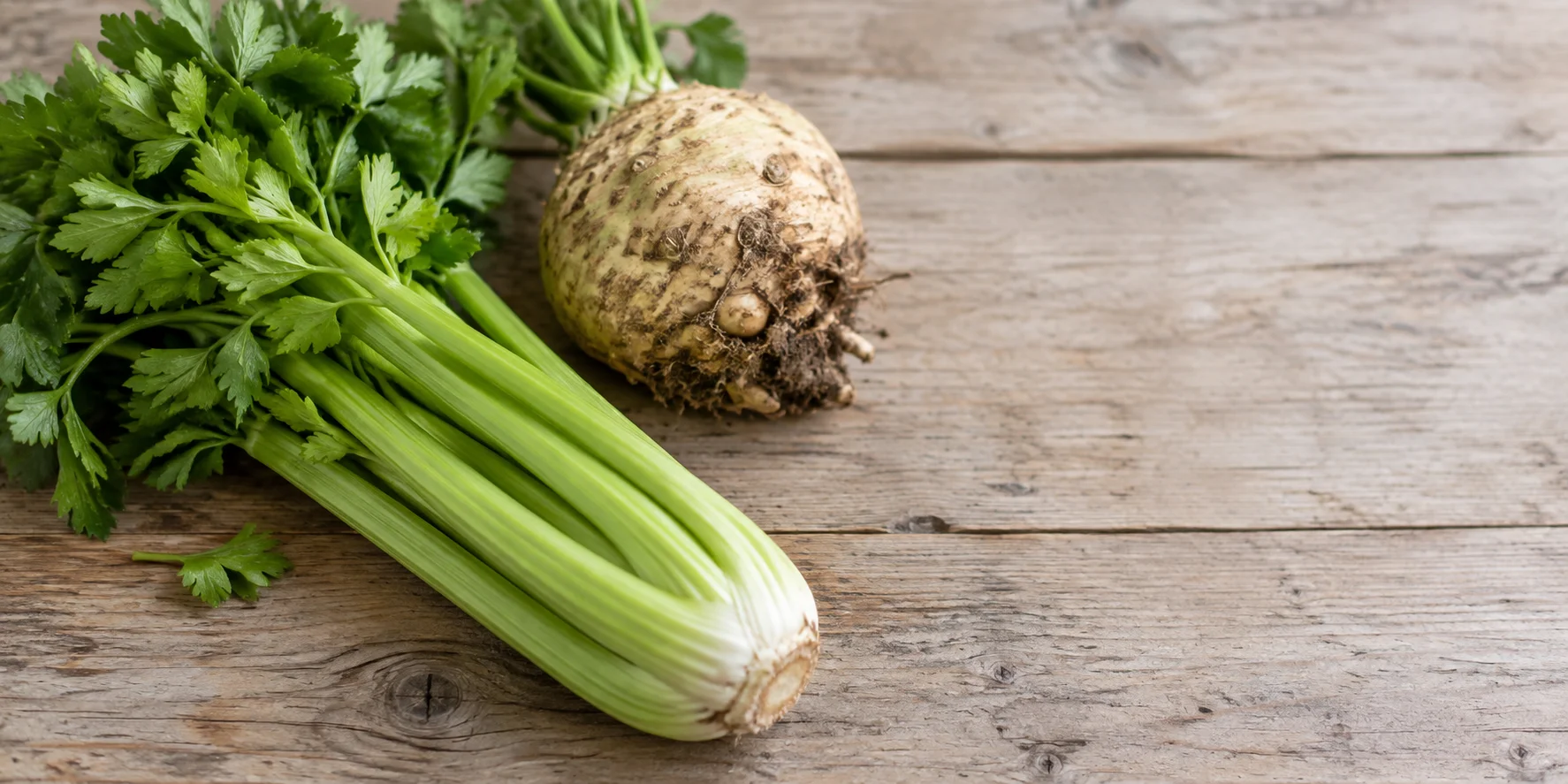
“Pravi” translates to “real,” “true,” or “genuine” across South Slavic languages. “Celer” is the regional word for celery, related to the same root used across much of Europe. Together, the phrase points to Apium graveolens, the celery plant, grown commercially in three main forms:
- Stalk celery (var. dulce): the crunchy, ribbed stalks familiar from US and UK grocery stores.
- Celeriac, also called celery root or root celery (var. rapaceum): a knobby, fist-sized root with a mild, earthy flavor, common in Central and Eastern European cooking.
- Leaf celery (var. secalinum): thinner stalks grown mainly for their aromatic leaves, closer to celery’s wild ancestor.
In everyday Balkan kitchens, the unqualified word “celer” most often means celery root, since that’s the form used in soup bases and stocks. Adding “pravi” in front is a common way of making clear you mean the classic stalk-and-leaf plant rather than only the root, or of distinguishing genuine celery from a similar-looking root vegetable, like parsley root, that sometimes sits next to it in a market bin. Usage varies by household and region, so treat “pravi celer” as a descriptive, conversational phrase rather than a fixed botanical label with one official definition.
Nutrition Profile
Celery, in any of its forms, is mostly water, which is why it’s prized for its light, hydrating crunch. According to data compiled from USDA FoodData Central, one medium raw celery stalk (about 40 grams) provides roughly 6 calories, under half a gram of carbohydrate per 8 grams, and a small amount of fiber. A full cup of chopped raw celery comes in around 14 to 16 calories, with close to 3 grams of carbohydrate and a bit over a gram of fiber.
Despite the low calorie count, celery carries a decent spread of micronutrients: vitamin K, vitamin C, vitamin A, folate, and potassium, along with plant compounds called flavonoids and phenolic acids that give it antioxidant activity, as noted by the Cleveland Clinic. One nutrient worth flagging for anyone watching sodium intake: celery naturally contains more sodium than most vegetables, so it’s not entirely “free” on a low-sodium diet, even though it’s unsalted.
Health Benefits Backed by Research
Digestion. The fiber in celery helps keep bowel movements regular and feeds beneficial bacteria in the gut, a benefit the Mayo Clinic attributes to fiber-rich vegetables generally. The Cleveland Clinic notes this effect is strongest when celery is eaten whole rather than juiced, since juicing strips out most of the fiber.
Hydration. With water making up the bulk of the vegetable, celery contributes meaningfully to fluid intake, particularly useful as a low-calorie snack.
Heart health. Celery’s combination of potassium, fiber, and antioxidant plant compounds is associated with modest cardiovascular support, according to the Cleveland Clinic. It isn’t a substitute for prescribed treatment, and anyone managing blood pressure or heart disease should talk to a doctor before treating diet changes as a therapy.
Two myths worth retiring. First, the idea that celery is a “negative calorie” food, one that supposedly burns more calories to digest than it provides, isn’t supported by research; digestion does use some energy, but not more than the food delivers. Second, claims that celery acts as an aphrodisiac have been widely discredited and shouldn’t factor into how you think about it nutritionally.
None of this makes celery a treatment for any medical condition. It’s a genuinely useful, low-calorie vegetable with real nutritional value, not a cure for anything it’s sometimes marketed against.
Traditional Uses in Balkan and Eastern European Kitchens
Root and stalk celery form the backbone of many Balkan soup bases, often combined with carrot and parsley root in a mix similar to French mirepoix or Polish włoszczyzna. The root goes into broths, stews, and marinades; the leaves are used as a fresh herb; the stalks show up raw in salads or cooked into vegetable dishes. Celery has also held a place in regional folk tradition as one of several vegetables credited with general wellness benefits. Those traditional beliefs are part of the culinary and cultural history of the plant, but they haven’t been validated through clinical research, so they’re worth noting as context rather than treating as medical advice.
Who Should Be Cautious With Celery
Celery is one of the recognized major food allergens in the European Union, and people with a celery allergy can react to the stalk, root, leaves, or seeds. It’s also linked to oral allergy syndrome in some people with birch pollen allergies, where a reaction to celery follows from a pre-existing pollen sensitivity.
Separately, raw celery juice or pulp can contain compounds called furanocoumarins, which in rare cases cause skin sensitivity to sunlight after contact with bruised or spoiled celery. This is mostly documented among agricultural workers handling large volumes of the crop and isn’t a meaningful concern for home cooks eating normal amounts.
If you take medication or manage a chronic condition, it’s reasonable to check with a doctor or pharmacist before making any significant change to your diet, celery included.
How to Choose, Store, and Use Pravi Celer
For stalk celery, look for firm, tightly packed ribs with no wilting and fresh, vividly colored leaves. For celeriac, choose a bulb that feels heavy for its size and firm all over, without soft spots. Wrapped tightly and refrigerated, stalk celery generally stays crisp for one to two weeks; celeriac keeps longer, stored in a cool, dark spot or the refrigerator.
In the kitchen, stalks work well raw in salads or with a dip, and cooked into soups, stocks, and braises. Celeriac can be roasted, mashed as a lower-carbohydrate alternative to potatoes, or shaved raw into a remoulade-style salad. The leaves, often discarded, are worth saving as a flavorful, low-waste herb for finishing soups and stews.
FAQ: Pravi Celer Questions
Is pravi celer the same as regular celery? Yes. “Pravi celer” is simply the Croatian, Serbian, and Bosnian phrase for genuine celery, the same plant sold elsewhere as celery stalks, celery root, or leaf celery.
Is celery root (celeriac) the same plant as stalk celery? They’re the same species grown as different cultivated varieties. Celeriac is bred for its large root; stalk celery is bred for its crunchy, upright ribs.
Does celery really have “negative calories”? No. This popular claim isn’t supported by research. Digesting celery uses some energy, but not more than the food itself supplies.
Can eating celery lower blood pressure? Celery’s potassium and plant compounds are linked to modest cardiovascular support, but it isn’t a replacement for prescribed treatment. Anyone managing blood pressure should talk to a doctor about diet changes alongside, not instead of, medical care.
Is celery safe for everyone to eat? Most people tolerate it well, but it’s a recognized allergen in some regions, and people with a known celery or birch pollen allergy should avoid it.
How should I store celery to keep it fresh longer? Wrap stalk celery tightly in foil or a reusable wrap and refrigerate; this typically keeps it crisp for one to two weeks. Keep celeriac in a cool, dark spot or the refrigerator.